
The federal government is heading for a shutdown at midnight tonight as Democrats and Republicans trade blame in a high-stakes funding standoff that threatens to disrupt critical services for millions of Americans.
The House passed a Republican-sponsored continuing resolution (H.R.5371) on September 19 by a narrow 217-212 vote, which would have funded the government through November 21, 2025. Hours later, the Senate rejected this bill in a 44-48 cloture vote, with Democrats unified in opposition.
Finger-pointing intensifies as deadline looms
The White House has placed the blame squarely on Democrats, claiming they have “officially brought on a full-blown government shutdown — engineered by the Radical Left lunatics who control of their party.”
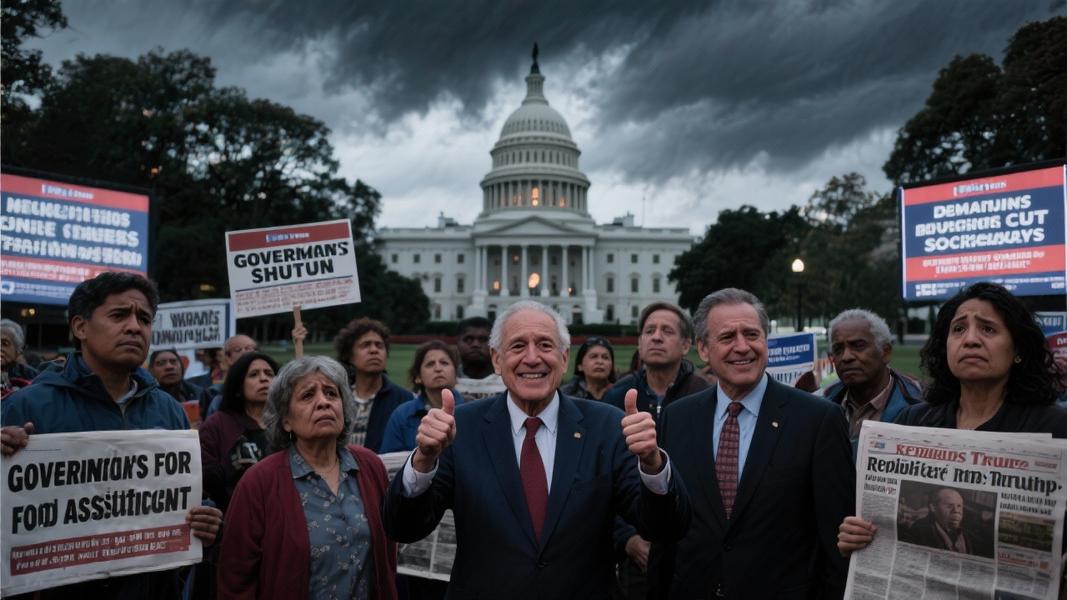
Senate Majority Leader Chuck Schumer has seemingly embraced the shutdown, giving it “two thumbs up” according to White House communications — a stance that has Republicans fuming as essential services hang in the balance.
President Trump and congressional Republicans have been adamant they won’t cave to Democratic demands. “Republicans will not be held hostage by this unserious, shameful political gamesmanship by Democrats,” the administration stated in a social media post.
Democrats had their own funding proposal, S.2882, which would have extended government funding through October 31 while permanently extending enhanced premium tax credits and repealing certain healthcare provisions. That measure also failed in the Senate by a 47-45 vote.
Real-world impacts for vulnerable Americans
What happens when the government shuts down? The consequences are far-reaching and often hit vulnerable populations hardest.
“Critical food assistance for low‑income women, infants, and children will lapse. Americans will experience travel delays and disruptions to Social Security services. Funding for inpatient home care and telehealth services for Medicare patients will be suspended,” according to government notices about the impending shutdown.
Hundreds of thousands of federal workers face furloughs, while national parks, housing assistance programs, and various Social Security and Medicaid services will be disrupted or delayed. Veteran support programs are particularly at risk, including suicide prevention grants and healthcare for homeless veterans.
Mission Roll Call, a veterans advocacy group, has urged Congress to “ensure uninterrupted funding for critical VA programs — including the Fox Suicide Prevention Grants, Supportive Services for Veteran Families, and Health Care for Homeless Veterans,” calling these programs “lifelines for veterans and their families.”
Essential services continue, with caveats
Not everything stops during a shutdown. Essential services related to national security and public safety will continue, though potentially with reduced staff or efficiency.
Emergency medical care, air traffic control, law enforcement, border security, and power grid maintenance are among the services that will remain operational, according to resources published by congressional offices. That said, even these critical functions may experience disruptions as personnel work without pay and support staff are furloughed.
The federal government has been operating under the threat of shutdown for weeks. The current fiscal year’s funding expires at midnight October 1, with the countdown prominently displayed on government websites as a reminder of the stakes.
Still, compromise seems elusive. Senate Democrats are demanding the reversal of previous spending cuts, while House Republicans insist on maintaining the fiscal restraint they fought for in earlier budget battles.
As midnight approaches, Americans are left wondering: Will last-minute negotiations yield a breakthrough, or will political brinkmanship force a shutdown that neither side claims to want but neither seems willing to prevent?
