
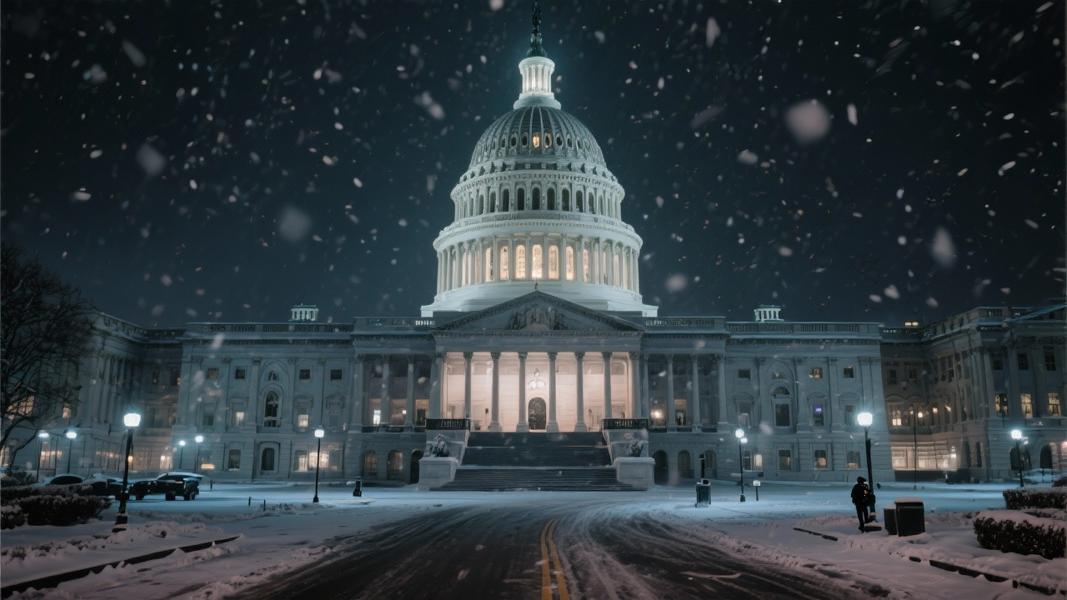
The federal government slammed into another partial shutdown at midnight Thursday as lawmakers failed to reach agreement on the remaining spending bills needed to keep Washington fully functioning. It’s the second time in six months that Americans have watched Congress stumble into a funding crisis.
The shutdown affects agencies covered by six of the 12 annual appropriations bills that weren’t finalized before the January 30, 2026 deadline, leaving thousands of federal employees facing furloughs and uncertainty about their next paycheck. The previous shutdown lasted a punishing 43 days before Congress finally reached a compromise in late 2025.
Partisan Divide Over Homeland Security
At the center of the deadlock is the Department of Homeland Security funding bill, which Democrats have blocked following the controversial fatal shooting of Alex Pretti by federal agents in Minneapolis. Democratic lawmakers are demanding significant reforms to Immigration and Customs Enforcement (ICE) and Border Patrol practices before agreeing to fund the agency.
“We cannot in good conscience approve this funding without meaningful accountability measures,” said one Democratic senator during floor debate Wednesday night. The standoff has effectively derailed funding for multiple departments, as the DHS bill has become the immovable object in budget negotiations.
The partial shutdown impacts several critical departments beyond DHS, including Defense, creating a cascading effect across government operations. Budget analysts had warned for weeks that the Senate was unlikely to pass the remaining appropriations bills due to the intensifying partisan divisions.
Could This Have Been Avoided?
Ironically, some budget reform advocates point out that this entire crisis could have been prevented. The Committee for a Responsible Federal Budget has suggested that implementing an automatic continuing resolution (auto-CR) would prevent shutdowns when Congress fails to meet funding deadlines.
Such a mechanism would maintain government funding at current levels until lawmakers could agree on new appropriations bills, eliminating the shutdown drama that has become almost routine in Washington.
The odds of a shutdown had been climbing steadily in the days leading up to the deadline. Prediction markets on Kalshi had tracked the probability of a government shutdown occurring, with numbers rising dramatically as negotiations stalled.
What Happens Next
Federal contractors are now scrambling to determine how the partial shutdown affects their operations. Many government employees designated as “non-essential” have received furlough notices, while others deemed essential must work without immediate pay.
The Economic Times reports that this shutdown is already creating economic uncertainty, with potential ripple effects through markets and government services if it extends beyond a few days.
As Washington grinds through yet another funding crisis, the American public is left wondering why the world’s most powerful government can’t seem to keep its own lights on. With no clear resolution in sight, both sides appear dug in for what could become another extended battle over the federal purse strings.
