
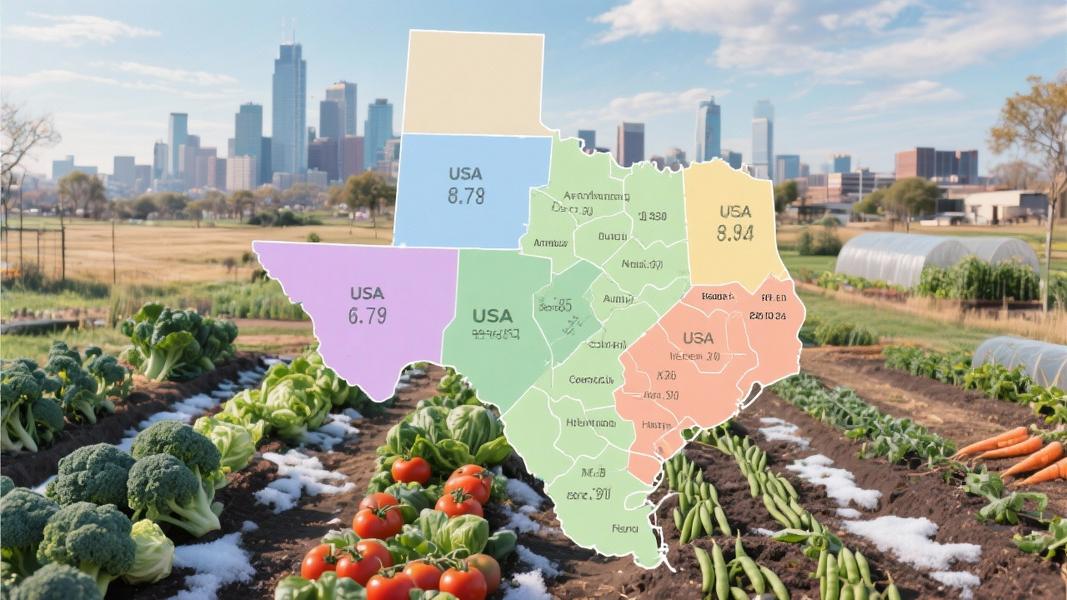
Texans gearing up for their 2026 gardening season face a patchwork of planting schedules as varied as the state’s sprawling landscape. From the early thaws of Corpus Christi to the lingering chills of El Paso, gardening calendars across the Lone Star State reflect its diverse climate zones and growing conditions.
According to meteorological projections for 2026, Texas gardeners will navigate a spectrum of last frost dates that could make or break early plantings. “The earliest is expected to be Feb. 1 in Corpus Christi and the latest is expected to be March 24 in El Paso,” notes a recent forecast, highlighting the three-week spread that challenges statewide planting advice.
A State of Climatic Contrasts
Spanning USDA Hardiness Zones 6 through 9, Texas offers gardeners both opportunities and challenges. The southernmost regions enjoy warmer zones with earlier planting windows, while northern areas must exercise more patience before breaking ground. This climate diversity allows Central Texas gardeners the unique advantage of both spring and fall growing seasons, despite the challenging weather patterns that define the region.
For North Texans situated in Zone 8, strategic planning becomes essential. Hot summers paired with relatively mild winters create a distinctive growing environment that requires careful timing. Local nurseries recommend following specialized planting calendars rather than generic national guidance.
“Texas on average has approximately 250 days between the last and first frost,” reports UF Seeds, underscoring the generous growing window that makes Texas agriculture so productive. But those averages conceal significant regional variations.
Regional Timing Makes All the Difference
When exactly should eager gardeners start planting? That depends entirely on location. Arlington residents typically see their last frost around March 21, while Austinites can often start earlier, around February 17. Coastal dwellers in Corpus Christi enjoy the earliest start date of February 1, according to historical weather patterns.
Frustrated by one-size-fits-all advice? You’re not alone. The 2026 Texas Gardener Planning Guide addresses this pain point by offering month-by-month planting schedules customized for different Texas regions, providing a more nuanced approach to seasonal gardening tasks.
Similarly, the 2026 North Texas Garden Planner takes a distinctly local approach. “The 2026 North Texas Garden Planner is organized around the way North Texas gardeners actually garden, not the way a national calendar suggests,” explains The Dallas Garden, acknowledging the disconnect between standardized advice and regional realities.
Expert Resources for Texas Growers
Beyond commercial guides, institutional support abounds for Texas gardeners. Texas A&M AgriLife Extension offers comprehensive resources including a fall vegetable gardening guide specifically tailored to Texas conditions, helping growers maximize their second planting season.
What makes Texas gardening particularly rewarding despite its challenges? Perhaps it’s the extended growing season that allows for multiple harvests, or maybe it’s the satisfaction of adapting to the state’s notorious weather extremes. Either way, with proper planning and an understanding of local conditions, Texas gardeners in 2026 can look forward to bountiful harvests from Valentine’s Day through Thanksgiving – a growing season that would make northern gardeners green with envy.
