
Amazon’s delivery drones are hitting a patch of turbulence in the Lone Star State, with two incidents in Texas raising questions about the e-commerce giant’s aerial delivery ambitions.
The Federal Aviation Administration is investigating after an Amazon Prime Air MK30 delivery drone struck an overhead internet cable in Waco, Texas on November 18, 2025. According to officials, the drone—registered as N139PA—hit the cable at approximately 12:45 p.m. while lifting off after completing a delivery. The collision caused damage to the drone’s propellers, triggering a “safe contingent landing” protocol, as detailed by aviation authorities.
“We’ve paid for the cable line’s repair for the customer and have apologized for the inconvenience this caused them,” an Amazon spokesperson confirmed in a statement. The company noted that no injuries occurred and there were no widespread internet service outages resulting from the incident.
While the FAA continues its inquiry, the National Transportation Safety Board has determined the Waco incident qualifies as a “non-action event” and will not conduct its own investigation.
Second Texas Incident Raises Further Concerns
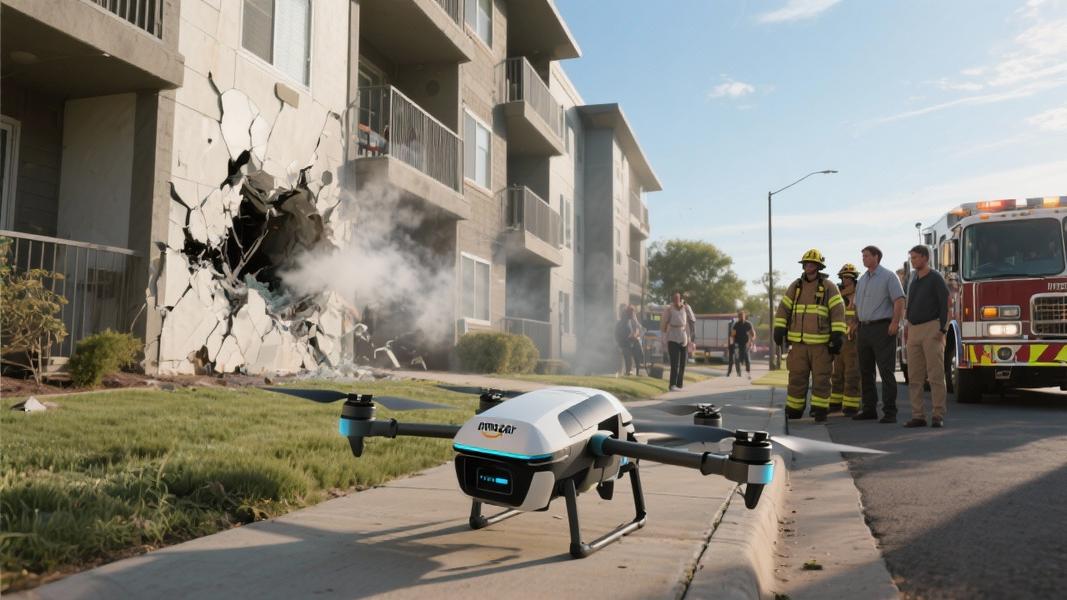
The Waco cable strike wasn’t Amazon’s only drone headache in Texas. In a separate incident, one of the company’s delivery drones crashed into the side of an apartment complex in Richardson, Texas on Wednesday afternoon.
Footage of the aftermath shows the damaged drone lying on a sidewalk appearing to emit smoke, though local firefighters later clarified no actual fire had occurred. Fortunately, no injuries were reported in this incident either.
Is this just growing pains for a nascent technology, or a sign of more significant safety issues? Amazon has been pushing aggressively to expand its drone delivery service, which promises to deliver lightweight packages to customers in 30 minutes or less.
The back-to-back Texas incidents come at a critical time for Amazon’s aerial delivery ambitions. The company has spent years developing its drone program, facing regulatory hurdles and technological challenges along the way.
For residents living beneath these new aerial delivery routes, the recent mishaps may raise concerns about what could happen when things don’t go according to plan. Though both incidents ended without injuries, they highlight the real-world complications of integrating commercial drones into residential areas.
Amazon has not released specific details about what caused the Richardson crash, but the company has previously emphasized its drones include multiple safety systems designed to prevent accidents.
As the investigation continues, these incidents serve as a reminder that the future of automated delivery—however convenient—still has some air turbulence to navigate before becoming as routine as the familiar sight of delivery trucks on neighborhood streets.
