
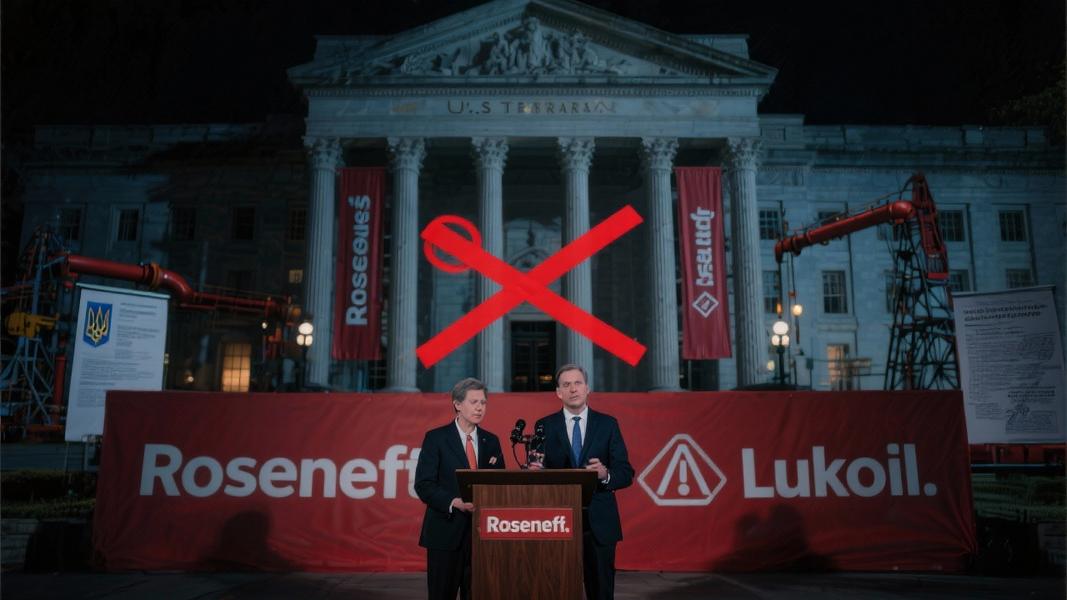
The Biden administration has taken its most aggressive step yet against Russia’s energy sector, imposing sanctions on the country’s two largest oil companies in a move that could significantly restrict Moscow’s ability to fund its ongoing war in Ukraine.
The U.S. Treasury Department’s Office of Foreign Assets Control (OFAC) announced sanctions Tuesday against oil giants Rosneft and Lukoil, citing “Russia’s lack of serious commitment to a peace process to end the war in Ukraine.” The October 22 action represents a major escalation in economic pressure as the conflict approaches its fourth year with no resolution in sight.
“Now is the time to stop the killing and for an immediate ceasefire,” Treasury Secretary Scott Bessent said in a statement. “Given President Putin’s refusal to end this senseless war, Treasury is sanctioning Russia’s two largest oil companies that fund the Kremlin’s war machine.”
Energy Giants in the Crosshairs
The sanctions target not just the parent companies but also numerous subsidiaries integral to Russia’s petroleum industry. Rosneft, a vertically integrated energy behemoth involved in everything from exploration to sales, and Lukoil, which operates both domestically and internationally across the oil and gas value chain, together represent the backbone of Russia’s fossil fuel economy.
Why these companies specifically? Both were designated under Executive Order 14024 for “operating in the energy sector of the Russian Federation economy” — essentially acknowledging their critical role in generating revenue that ultimately supports military operations.
The Treasury’s action extends to multiple Russia-based subsidiaries of both companies. For Lukoil, these include regional operations like Lukoil Perm and Lukoil Kaliningradmorneft. Rosneft subsidiaries facing sanctions include the Aktsionernoe Obshchestvo Kuibyshevskii Neftepererabatyvayushchii Zavod refinery and numerous entities engaged in hydrocarbon field operations throughout Russia.
Economic Implications and Enforcement
The practical effect? All property and interests belonging to these companies that are either in the United States or controlled by U.S. persons are now blocked and must be reported to OFAC. Transactions with these entities are prohibited unless specifically authorized by the Treasury Department.
Anyone violating these restrictions could face substantial civil or criminal penalties. There’s also the looming threat of secondary sanctions against foreign financial institutions that facilitate transactions with these newly blocked entities.
But it’s not just about punishment. Treasury officials emphasized that “the ultimate goal of sanctions is not to punish, but to bring about a positive change in behavior” — suggesting a path exists for these companies to eventually seek removal from the Specially Designated Nationals (SDN) List if Russia changes course in Ukraine.
The Biden administration has been gradually ratcheting up pressure on Moscow’s energy sector, though this marks the most direct attack on the crown jewels of Russia’s economy. Secretary Bessent also made a point of calling for international support, stating, “We encourage our allies to join us in and adhere to these sanctions.”
Will these measures actually force the Kremlin to reconsider its position on peace negotiations? That remains the multibillion-dollar question. Previous rounds of sanctions have damaged but not crippled the Russian economy, which has shown surprising resilience through import substitution and alternative trading relationships.
For now, the Treasury Department has made clear it stands ready to go further if necessary. As the situation develops, the effectiveness of these sanctions will depend largely on how strictly they’re enforced and whether other countries, particularly in Europe and Asia, follow America’s lead in isolating Russia’s energy giants.
