
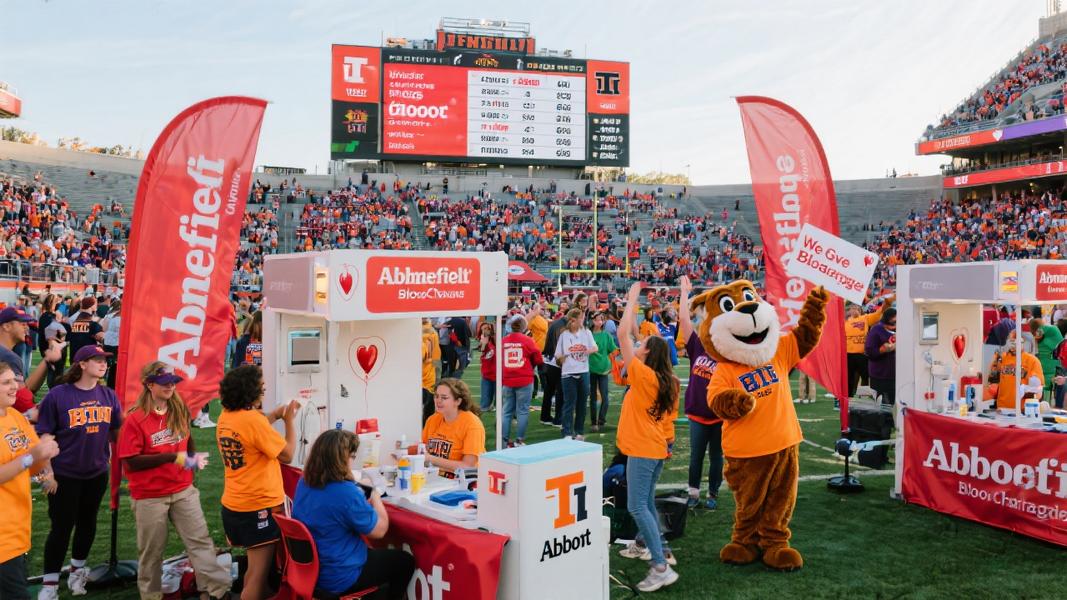
Abbott and the Big Ten Conference are revving up for a second year of competitive altruism, challenging students, alumni, and fans across all 18 universities to roll up their sleeves in a blood donation competition with a million-dollar prize at stake.
The “We Give Blood” drive, running from August 27 to December 5, 2025, aims to address critical blood shortages nationwide while stoking the famous rivalry spirit that defines Big Ten sports. The university that inspires the most blood donations will receive $1 million from Abbott to advance student or community health initiatives — a prize that could fund everything from research to wellness programs.
Building on First-Year Success
This competition follows a successful inaugural drive in 2024, when the University of Nebraska-Lincoln claimed victory with nearly 4,000 donors — potentially saving up to 12,000 lives. Nebraska is now using its winnings to support health-focused research, student organization grants, and its Well-Being Collective, which promotes students’ physical, social, and emotional health.
“This campaign is a direct investment in the long-term sustainability of our nation’s blood supply,” said Robert Ford, chairman and chief executive officer of Abbott. “We know young people care deeply about their communities, and this is an amazing opportunity to help them show it. Our hope is that years from now, people will look back and mark the ‘We Give Blood’ drive as the moment that they became a first-time, and ultimately lifelong, blood donor.”
The timing couldn’t be more critical. Some blood centers across the U.S. are reporting less than a one-day supply on hand, while blood donations are needed every two seconds for trauma victims, mothers experiencing childbirth complications, and cancer patients.
How It Works
What makes this competition unique is its nationwide reach. Supporters can donate blood anywhere in the country and have it count toward their school’s total by texting “DONATE” to 222688 (ABBOTT) or visiting BigTen.Org/Abbott. The competition kicks off with “We Give Blood Day” on August 27, when donors can score exclusive, limited-edition Homefield-designed T-shirts representing their Big Ten school, while supplies last.
Tony Petitti, Big Ten Conference Commissioner, expressed confidence in the campaign’s potential: “We are glad to partner with Abbott once again to provide this opportunity for every Big Ten fan across the country to help solve the worst U.S. blood shortage in decades. Big Ten fans are competitive and compassionate. We are confident they will embrace this challenge not only in the months ahead, but for years to come.”
The competition will feature 12 Weekly One-Up Challenges throughout the football season, pitting pairs of Big Ten schools against each other in mini-competitions. Beyond bragging rights, donors from winning schools will have chances to win memorable campus experiences offered by their universities.
A Strategic Alliance
Will this collegiate competition make a meaningful dent in the national blood shortage? That’s certainly Abbott’s hope. The healthcare company, which serves as the health sciences and diagnostics partner for the Big Ten Conference, launched the initiative specifically to inspire the next generation of lifelong blood donors — particularly targeting college campuses where many students may donate for the first time.
To amplify the message, Abbott has partnered with multimedia rightsholders across Big Ten campuses, including Learfield, Playfly Sports, and JMI Sports, ensuring the call for donations reaches as many potential donors as possible.
For universities, the stakes go beyond the $1 million prize. The competition offers a unique opportunity to demonstrate their community impact while engaging alumni networks across the country in a cause that transcends traditional school rivalries.
In a time when blood centers occasionally face critical shortages, this collegiate competition might just prove that sometimes the fiercest rivals can become the most effective allies when saving lives is on the line.
