
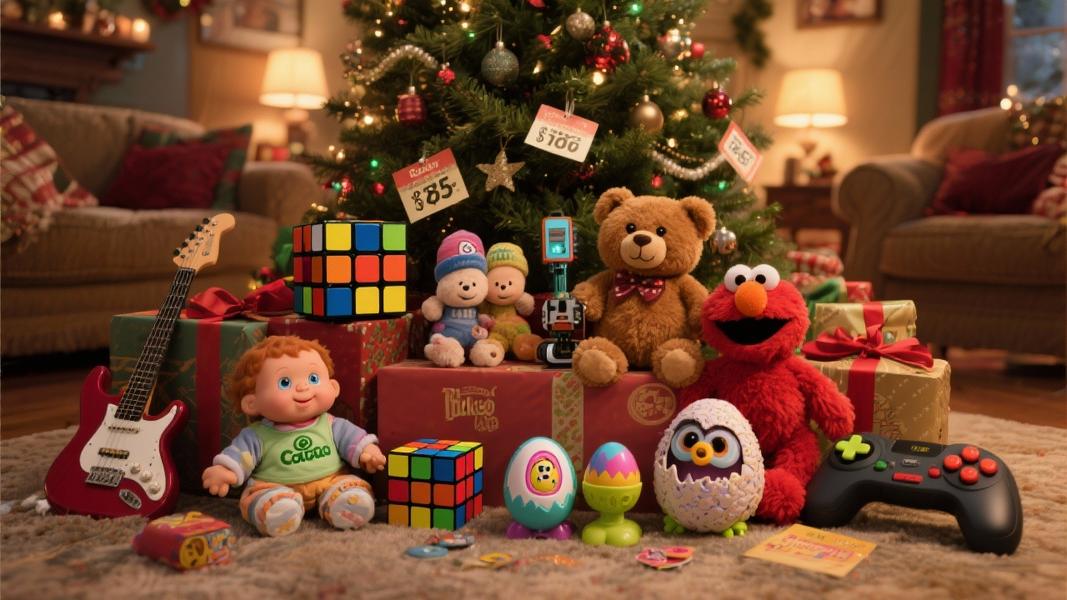
From Toy Shelf to Investment: The Surprising Afterlife of Cabbage Patch Kids
Remember those pudgy-faced cloth dolls with yarn hair that sparked near-riots in toy stores across America? The humble Cabbage Patch Kid that once retailed for under $30 has transformed from cherished childhood companion to coveted collectible, with some original models now commanding hundreds of dollars on the resale market.
From Modest Beginnings to Mall Mayhem
When Coleco Industries first mass-produced Cabbage Patch Kids in 1982, featuring their distinctive plastic heads and soft bodies, they retailed for a modest $18 to $28. By October 1983, these “adoptable” dolls had triggered something few toys ever achieve: actual store riots as parents desperately tried to secure one for the holiday season.
What’s fascinating is how inflation has affected the original pricing. A typical Cabbage Patch Kid priced at $21 in 1983 would cost approximately $67.33 in 2025 dollars, according to analysis of historic toy pricing trends. But the secondary market tells a much different story.
Got an original 1983 doll gathering dust in your attic? You might be sitting on a small windfall. Some 1983 models in excellent condition are listed for as much as $475 in specialty collectible markets – nearly seven times what the inflation-adjusted price would suggest.
Condition Is Everything
Not all vintage Cabbage Patch Kids command top dollar, however. Condition matters enormously in determining resale value.
“How much you selling that one for? Maybe I’ll buy it,” asks one collector in a popular video about Cabbage Patch valuations. The response reveals the sliding scale of worth: “This one here, probably in this condition because it’s not in the greatest condition, I’d say probably around like $50. But if you find them in the box, I mean, they can go in the hundreds.”
Even dolls in less-than-pristine condition can fetch respectable sums. A vintage 1983 signed Cabbage Patch Kid was recently offered at a sale price of $81.25, marked down from $125 – still significantly more than what parents paid four decades ago.
What Makes a Cabbage Patch Kid Valuable?
Several factors can dramatically increase a doll’s worth to collectors. Original packaging is gold in the collectibles world, potentially multiplying value several times over. But there’s another key detail savvy collectors look for: the signature.
Dolls bearing Xavier Roberts’ signature – the creator of the Cabbage Patch concept – tend to command premium prices in the secondary market. These signatures appear on a specific patch on the doll’s bottom, and their presence can be the difference between a modest resale value and a significant collector’s item.
Rarity matters too. Limited edition dolls, unusual hair colors, or special features like freckles or dimples can all boost a vintage Cabbage Patch Kid’s value considerably.
Who would have thought that those soft-faced dolls that came with “adoption papers” would one day become investment pieces? For the millions of Americans who stood in long lines or elbowed through crowds to “adopt” these dolls in the early 1980s, the financial appreciation might come as a pleasant surprise – assuming they kept their dolls in good condition.
Then again, maybe the most valuable Cabbage Patch Kids aren’t the ones carefully preserved in attics, but the well-loved companions who bear the gentle wear and tear of a childhood well-spent.
