
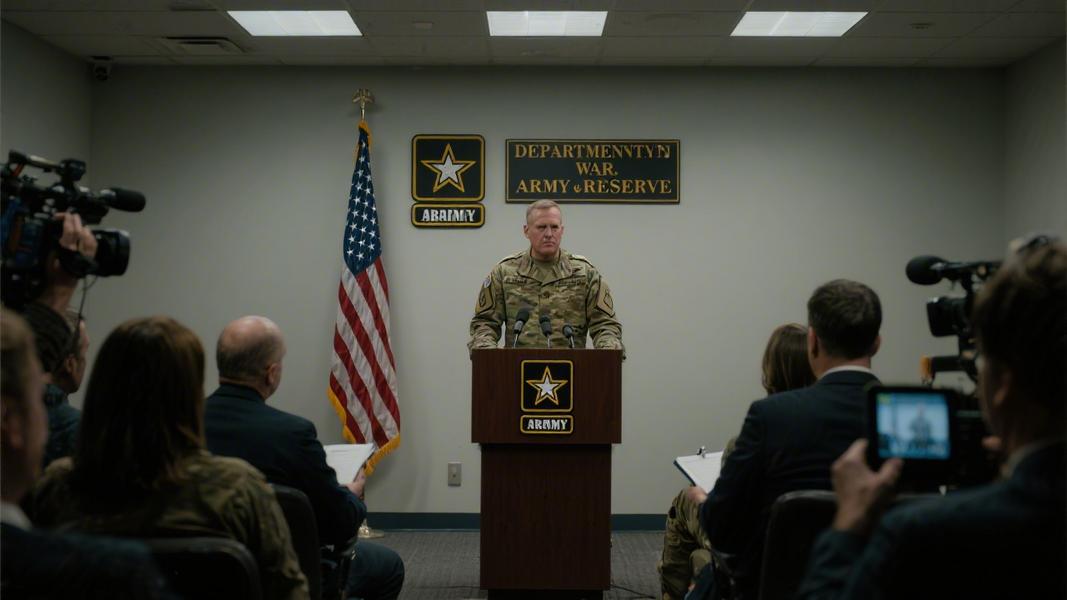
Another American service member has been lost — this time, a decorated warrant officer whose death now adds to the quiet, growing toll of a military operation most of the country has barely heard of.
The Department of War announced this week the believed death of Chief Warrant Officer 3 Robert M. Marzan, 54, of Sacramento, California, who was supporting Operation Epic Fury at the time of his passing. Few details have been released publicly, and the use of the word “believed” in the official announcement signals that circumstances surrounding his death may still be under review — a grim bureaucratic qualifier that offers little comfort to those who knew him.
A Career Soldier, Gone
Marzan was 54 — older than many who serve in active operational roles, which speaks to the kind of seasoned, experienced professional he almost certainly was. Chief Warrant Officers at the CW3 level are specialists. They don’t end up in the field by accident. They’re there because they’re needed, because what they know and what they can do is difficult to replace. That’s worth pausing on.
The Department of War’s press release, as is standard in these announcements, offered the essential facts and little else. No description of the circumstances. No operational context. Just a name, a rank, a hometown, and a mission designation that most Americans won’t recognize.
What We Know About Operation Epic Fury
Operation Epic Fury hasn’t exactly dominated the headlines. That’s not unusual — many ongoing military operations receive minimal domestic coverage until a death forces the public to take notice, however briefly. It’s an uncomfortable pattern, and one the Pentagon has navigated for decades. A service member dies. A press release goes out. The news cycle moves on.
Still, the operation’s name will now be permanently linked to at least one family’s grief in Sacramento. For them, it’s not a headline. It’s everything.
The Human Cost, Up Close
What does it mean to lose someone at 54 who is still out there — still in the field, still serving? It means a life built around duty. It means decades of commitment that didn’t end when it might have, when it perhaps could have. Marzan’s age alone tells a story, even if the Department of War isn’t telling the rest of it yet.
The military has not released information on the specific nature of the incident, whether it involved hostile action, an accident, or other circumstances. Investigations of this kind can take time, and families are typically notified well before the public. The “believed” designation in official language often precedes a formal determination — a distinction that matters legally and militarily, even if it reads as clinical to outsiders.
Sacramento Mourns
Sacramento has sent its sons and daughters into uniform for generations. It’s a city with deep military roots — home to McClellan Park, the former Air Force base that shaped the region’s identity for much of the 20th century. Marzan was one of theirs. Whether his community has had the chance to gather, to grieve, to honor him publicly remains unclear as details continue to emerge.
That’s the catch with announcements like this one — they create awareness without resolution. A name surfaces. Questions follow. Answers come slowly, if at all.
A Reminder That Won’t Last Long Enough
The Department of War’s statement is brief by design. These releases are not eulogies. They are notifications — formal, measured, and deliberately narrow in scope. The fuller picture of who Robert Marzan was, what he meant to the people around him, and what exactly happened during Operation Epic Fury may take weeks or months to emerge publicly, if it ever fully does.
What isn’t narrow is the loss itself. A Chief Warrant Officer 3 with enough experience to still be trusted on an active operation didn’t just represent a rank or a billet. He represented knowledge, mentorship, and an institutional memory that doesn’t get replaced with a new enlistment. Those things take years to build. Sometimes a lifetime.
The wars America fights don’t always make the front page anymore. But the people fighting them are real, and their deaths are real — even when the announcement is just a paragraph long and the operation is one most people have never heard of. Robert M. Marzan deserved more than a press release. He’ll get one anyway, and that will have to be enough for now.
