
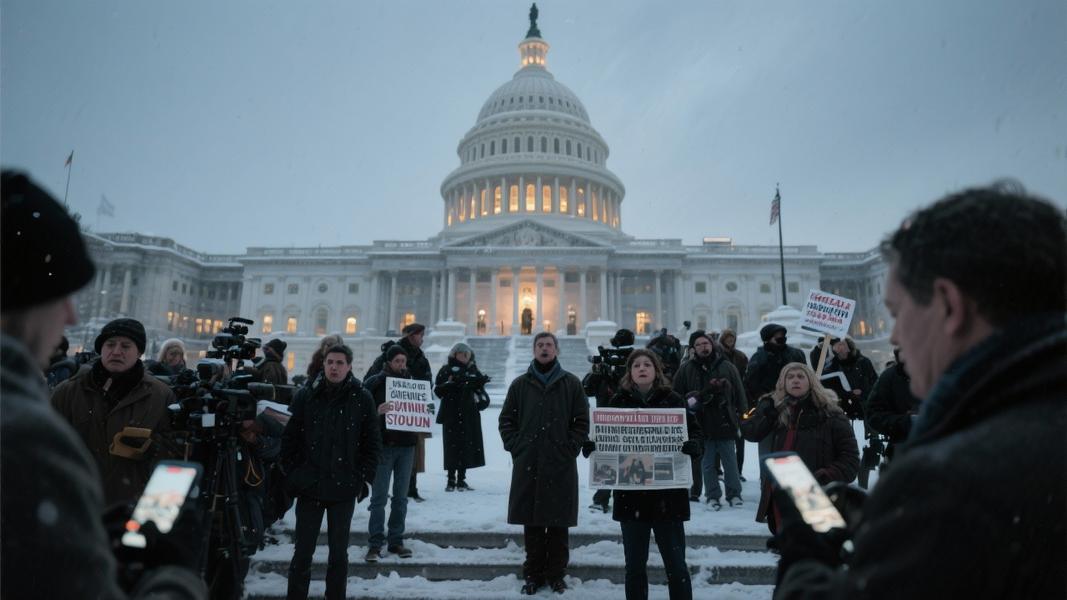
Congress hurtles toward another funding cliff as January deadline looms, with rising odds of a second government shutdown just weeks after the longest one in U.S. history ended.
Lawmakers face a January 30, 2026, deadline to pass new spending legislation after the recent 43-day shutdown finally concluded with a stopgap measure. The temporary bill, signed November 12, kept most government operations running at existing levels, but the clock is already ticking on the next potential crisis.
“The bottom line is very clear,” Senate Minority Leader Chuck Schumer told Fox News. “You can’t do it after January first. Once it expires, the toothpaste is out of the tube.”
Odds of Another Shutdown Rising
Prediction markets are already flashing warning signs. Polymarket data currently shows a 38% chance of another government shutdown due to stalled budget talks, according to analysis published by Coinpedia.
What makes this deadline particularly concerning? The tight legislative calendar. When lawmakers return from holiday break, they’ll have precious few days to hammer out agreements — just eight days when both chambers are in session simultaneously. The House is scheduled for only 12 working days before the deadline, while the Senate has 15, according to WTOP.
Some progress has emerged in recent days. Senate Appropriations Chair Susan Collins and House counterpart Rep. Tom Cole have reached preliminary agreement on funding totals for the nine remaining spending bills, setting figures below the November stopgap levels. But substantial obstacles remain.
“You can expect the smoke to start coming up from over that hill and that hill and that hill,” said Rep. Mark Amodei, who chairs the Homeland Security spending panel, describing the competing demands and red lines that threaten to derail negotiations.
Beyond the Deadline: Additional Pressures
Complicating matters further is the January 1 expiration of Affordable Care Act subsidies, which would hit Americans with premium increases even before the shutdown deadline arrives.
“We have constituents. They’re gonna have their premiums go up. That doesn’t help them. That’s why I think we need a temporary extension,” Rep. Don Bacon explained to Fox News.
The November 12 agreement that ended the previous shutdown did include some exceptions to the January cutoff. Programs like SNAP (food stamps) and military payroll received funding extensions beyond the January 30 deadline, notes a legal analysis from Bergeson & Campbell.
The Economic Impact
Another shutdown could prove costly. Economists estimate each week of government closure costs approximately $15 billion in GDP — a significant hit to an economy still recovering from recent turbulence.
How did we get here again? The previous 43-day shutdown stemmed from partisan disagreements, with Democrats rejecting what Republicans characterized as “clean funding measures” while pushing for additional priorities. Rep. Alexandria Ocasio-Cortez’s 2019 statement now rings with irony: “It is not normal to shut down the government when we don’t get what we want,” she stated during an earlier funding dispute.
As January approaches, the question isn’t just whether Congress can avoid another shutdown, but whether they can break the cycle of governance-by-crisis that has become Washington’s default mode. With just weeks remaining and the holiday recess ahead, lawmakers face a rapidly narrowing window to prevent what would be an unprecedented second shutdown in the same fiscal year.
