
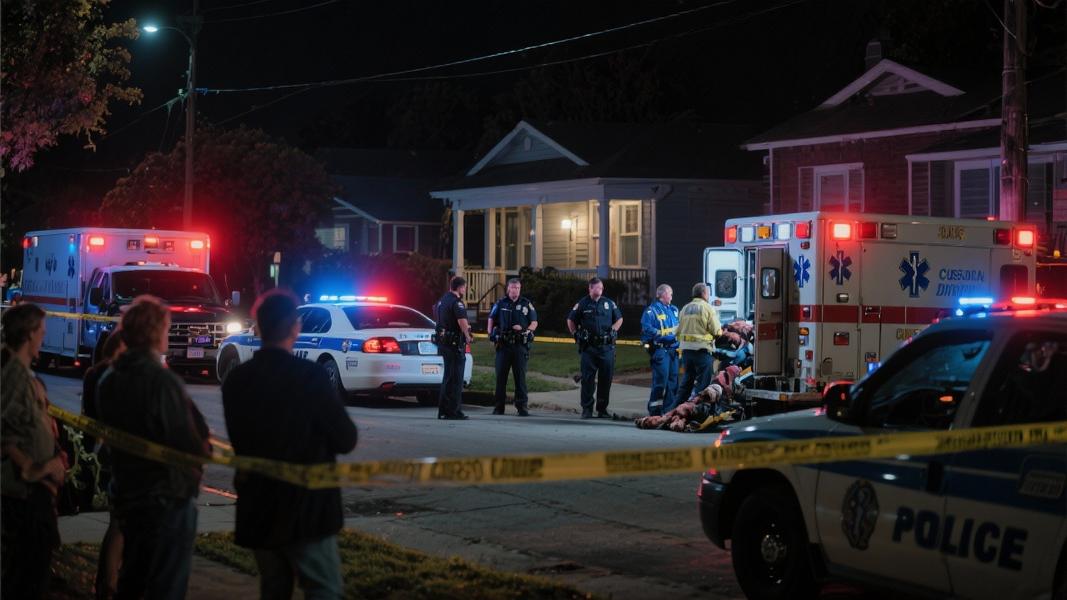
Dallas residents rang in 2023 with a barrage of illegal celebratory gunfire and fireworks, keeping police dispatchers overwhelmed throughout the night. The city’s 911 call center logged a staggering 759 calls about gunfire and another 273 reports of fireworks violations during the New Year’s Eve celebrations.
These numbers highlight an ongoing public safety concern that Dallas officials have repeatedly warned against: the dangerous tradition of firing guns into the air to celebrate special occasions.
A Persistent Problem
The Dallas Police Department had anticipated the surge in illegal activities, having issued public reminders about the dangers and legal consequences of celebratory gunfire in the days leading up to the holiday. “What goes up must come down,” cautioned Dallas Police Chief Eddie Garcia in a pre-holiday statement. “Bullets fired into the air can travel up to two miles before falling back to earth at speeds great enough to penetrate roofs and injure or kill people.”
Despite these warnings, the tradition continued unabated across many neighborhoods. One resident from Oak Cliff described the night as sounding “like a war zone,” with gunfire echoing throughout their neighborhood for hours.
How significant was this year’s problem? The call volume represents just a snapshot of the actual activity, as many instances likely went unreported while dispatchers struggled to keep up with the flood of incoming calls.
Legal Consequences
In Texas, celebratory gunfire isn’t just dangerous—it’s a serious crime. Discharging a firearm within city limits is classified as a Class A misdemeanor, punishable by up to one year in jail and fines reaching $4,000.
If someone is injured or killed by falling bullets, the shooter could face additional charges ranging from deadly conduct to manslaughter. That’s not counting the potential civil liability that could follow.
“People don’t think about the consequences,” said Councilman Adam Bazaldua, who has repeatedly advocated for stronger enforcement against celebratory gunfire. “When that bullet comes down, it doesn’t know the difference between your intended celebration and an innocent bystander.”
Community Impact
Beyond the immediate safety concerns, the practice creates a significant drain on police resources during what is already one of the busiest nights of the year. Each call requires response and investigation, pulling officers away from other emergencies.
Local hospitals also brace themselves for this annual tradition. “Every year we see injuries from both fireworks mishaps and falling bullets,” explained Dr. Sharma with Parkland Hospital’s emergency department in a previous interview. “The tragic thing is that these are completely preventable.”
Neighborhood associations across Dallas have increasingly organized community awareness campaigns to discourage the practice. In some areas, residents have installed surveillance cameras specifically to help identify and report those firing weapons.
Looking Forward
The Dallas Police Department has indicated they will be reviewing their approach to holiday enforcement following this year’s high call volume. “We’re evaluating additional strategies for future holidays,” a department spokesperson noted. “This may include increased patrols in hotspot areas and enhanced technology to better pinpoint gunfire locations.”
Some cities across the country have implemented ShotSpotter technology to detect and triangulate gunfire, though Dallas’s implementation remains limited to specific high-crime districts.
As the new year begins, the statistics from New Year’s Eve serve as a sobering reminder that despite years of public education campaigns, celebratory gunfire remains deeply embedded in some communities—a tradition that continues to put innocent lives at risk every time celebration turns to reckless abandon.
