
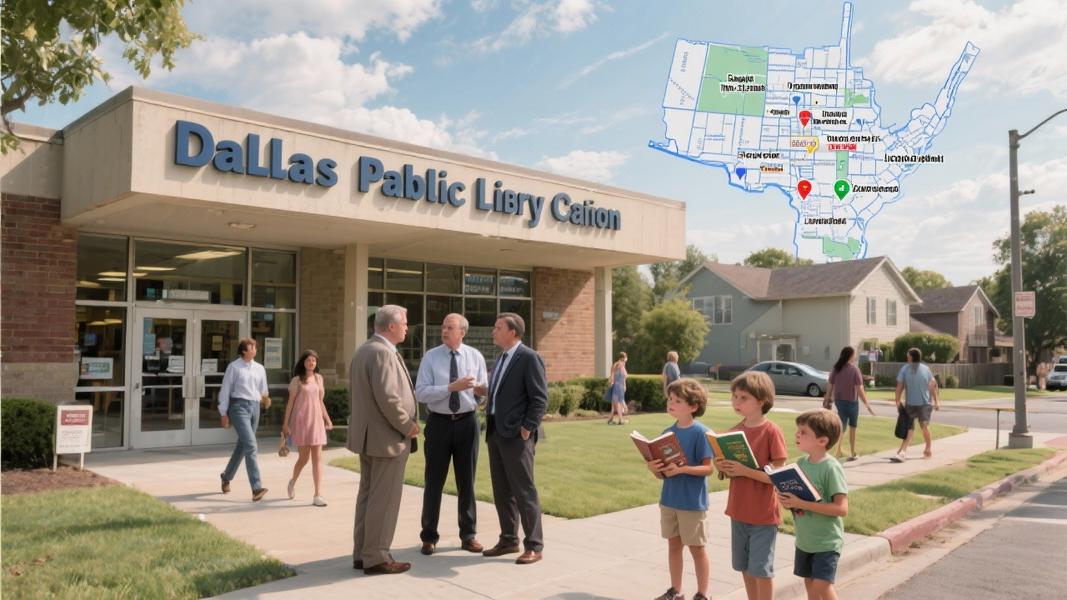
Dallas residents might need to say goodbye to their neighborhood libraries sooner than expected. Four additional Dallas Public Library branches face potential closure this fall as city officials continue reshaping the system to cut costs, part of a controversial plan that’s already shuttered one branch and sparked community backlash.
The proposed closures target Oak Lawn, Arcadia Park, Skyline, and Renner Frankford branches, aiming to trim $4.5 million from the budget over two fiscal years, according to city documents reviewed by local media. This follows the permanent closure of the Skillman Southwestern Branch during the 2026 budget adoption.
From Neighborhoods to Flagships
What’s behind the cuts? Library officials are pushing to replace neighborhood branches with seven flagship libraries that would offer extended hours — open seven days a week and until 8 p.m. Monday through Thursday. The plan represents a significant shift toward what officials call a “regional model” that would concentrate resources in fewer, larger facilities.
“Part of the mapping that you saw of the regional model is to pick strategic locations that were 10 to 15 minutes by car, that were near DART bus or rail stations, and fairly walkable,” library officials explained during a recent presentation, as reported by the Dallas Observer.
But many community members aren’t buying it. “Why are you purposely not engaging the communities where you’re planning to close the neighborhood libraries?” one resident demanded during public comment, highlighting growing frustration over what many see as a top-down decision.
Council Pushes Back
The pushback isn’t just coming from residents. Dallas City Council’s Quality of Life, Arts, and Culture Committee has deferred the closure plan until March, with several council members expressing serious concerns about equity, historical relevance of certain branches, and the glaring lack of community feedback before the proposal was developed.
Transportation equity appears to be a major sticking point. While officials tout the 10-15 minute drive times to flagship locations, critics point out that many residents in affected neighborhoods rely on public transportation, walking, or biking to access library services. The Oak Lawn branch, in particular, serves a community with many residents who don’t own vehicles.
Is a car-centric library model the right approach for a diverse urban center like Dallas? That question looms large as the council prepares to revisit the issue in March.
Meanwhile, the Dallas Central Library itself faces its own “reimagining” as part of the broader restructuring, though specific details remain unclear. The historic downtown facility has long served as the system’s anchor, but its future role in the proposed regional model hasn’t been fully articulated to the public.
For now, the fate of these neighborhood institutions hangs in balance, with communities organizing to save their local branches while city officials insist the changes will ultimately deliver better library services to more residents. Whether that promise holds true may depend on who gets a voice in the final decision.
