
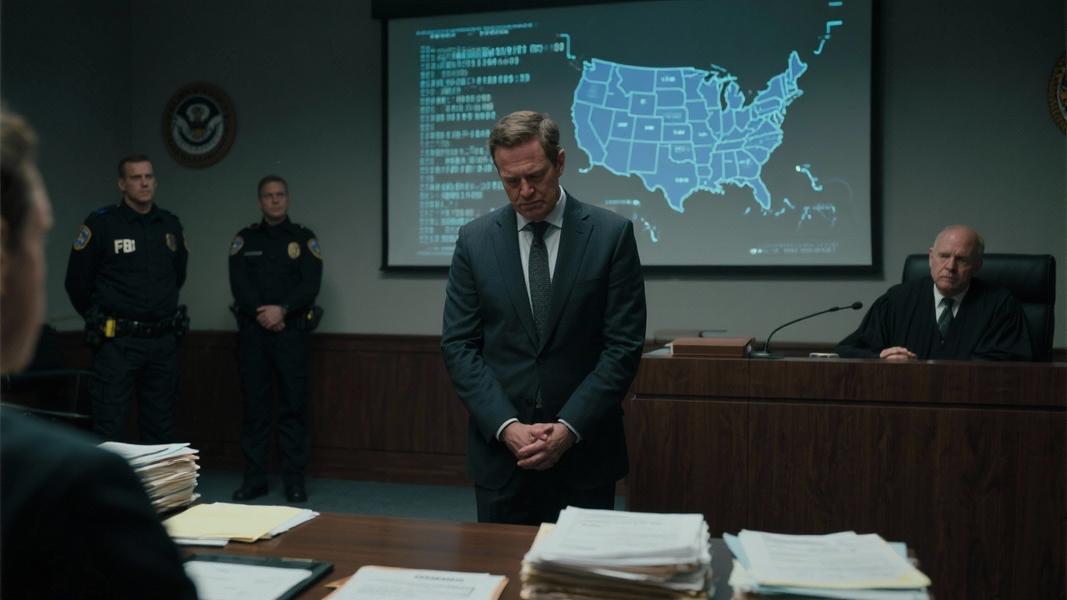
A former cybersecurity executive at defense contractor L3Harris has been charged with stealing trade secrets with the alleged intent to sell them to Russia, in what prosecutors describe as a brazen breach of national security protocols.
Peter Williams, a 39-year-old Australian who served as general manager of L3Harris’s cyber division Trenchant, faces serious federal charges for allegedly pilfering between seven and eight trade secrets from two companies between April 2022 and June or August 2025. Authorities claim he intended to sell the sensitive information to buyers in Russia, according to documents revealed in federal court filings.
Known within the company as “Doogie,” Williams took the helm at Trenchant on October 23, 2024, and remained there until August 21, 2025. He isn’t currently in federal custody, sources confirmed to TechCrunch.
High-Value Target
What makes this case particularly sensitive? Trenchant isn’t just any cybersecurity firm. The division was formed through L3Harris’s acquisitions of Azimuth Security and Linchpin Labs — companies known for developing sophisticated zero-day exploits supplied to intelligence agencies within the Five Eyes alliance (United States, United Kingdom, Canada, Australia, and New Zealand). Among their arsenal were exploits targeting Google Chrome, defense industry observers noted.
The Justice Department isn’t holding back in its pursuit of Williams. Prosecutors are seeking extensive forfeiture of his assets, including his Washington D.C. residence, collection of luxury watches, designer goods, and cryptocurrency holdings. They’re also demanding $1.3 million in damages, according to court documents obtained by Cyber News.
Industry experts suggest the case highlights the growing insider threat problem facing defense contractors who develop offensive cyber capabilities. These tools, often classified or protected as trade secrets, can fetch enormous sums on international black markets.
“When you’re dealing with companies that build tools to exploit vulnerabilities in commercial software, you’re essentially handling digital weapons,” said one cybersecurity analyst who requested anonymity due to the sensitive nature of the case. “The irony of a cyber defense executive allegedly compromising cyber defenses isn’t lost on anyone.”
Neither L3Harris nor Williams’s legal representatives have issued public statements regarding the charges. The investigation appears to be ongoing, with the possibility of additional charges as authorities continue examining the scope of the alleged theft and potential national security implications.
For now, the case serves as a stark reminder that sometimes the greatest security threats don’t come from sophisticated external hackers, but from those with legitimate access to the crown jewels.
