
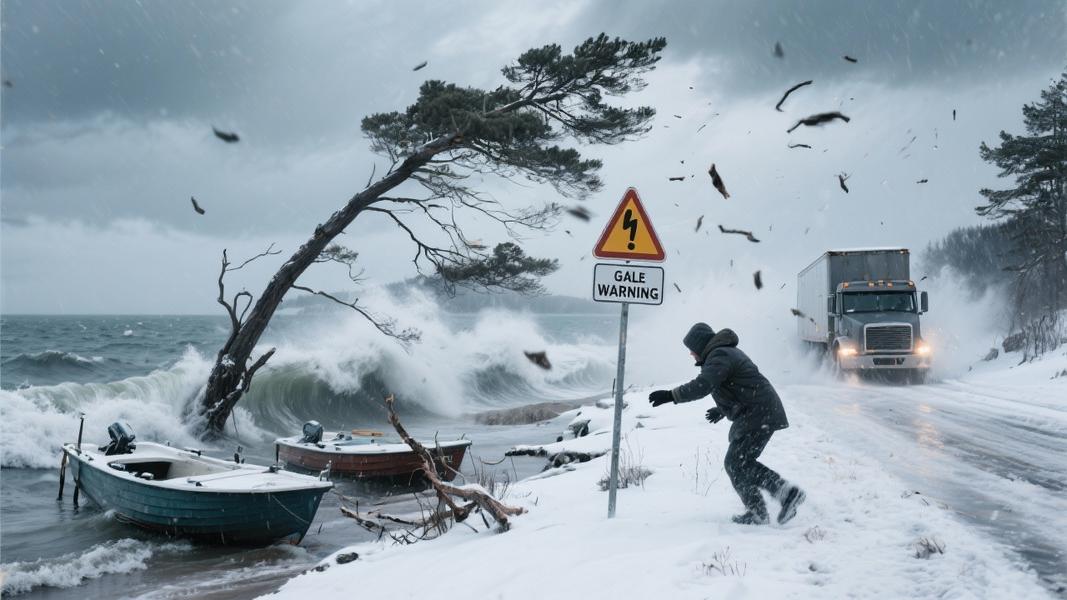
When meteorologists issue a gale warning, it’s not just another weather alert — it’s a signal for mariners and coastal residents to batten down the hatches, literally and figuratively.
These warnings, which indicate sustained winds or frequent gusts between 34 and 47 knots (39-54 mph), might not grab headlines like hurricanes or blizzards, but they pose serious risks both on water and land. The National Weather Service typically triggers these alerts when winds exceed 35 knots — about 40 mph — creating conditions particularly hazardous for smaller vessels and waterfront activities.
Maritime Menace
Unlike general wind advisories, gale warnings are specifically targeted at communities near bodies of water. “A gale warning alert means there are high sustained winds or frequent gusts over a body of water, so they’re reserved for communities near oceans, sounds or lakes,” explains meteorologist Caleigh Wells.
The international maritime community recognizes these warnings as crucial safety communications. Weather agencies worldwide issue them to give mariners time to seek shelter before dangerous conditions develop. When these powerful winds sweep across water surfaces, they generate waves capable of overwhelming even experienced boaters.
“Strong winds cause larger waves, which have the potential to capsize or damage vessels, especially smaller boats,” Wells notes. For recreational boaters, a gale warning should be taken as a clear signal to postpone water activities.
The National Weather Service’s marine warning system distinguishes between different wind intensities: gale warnings cover 34-47 knots, storm warnings indicate 48-63 knots, and hurricane force warnings signal winds of 64 knots or greater not directly associated with tropical cyclones.
Beyond the Shoreline
Think gale-force winds only matter if you’re on a boat? Think again. These powerful gusts create hazards well beyond the beach.
“It can affect trees, tree branches. Particularly in some areas, if the winds get really strong, that can affect roofs, power lines,” Wells points out. “You might see stories about trampolines going flying out of people’s backyards.”
The combination of high winds and cold temperatures also intensifies wind chill, making outdoor conditions feel significantly colder than thermometer readings suggest. “It tends to feel colder because your body creates heat, and then as the wind blows, it blows that heat away,” creating conditions where frostbite becomes a real concern, especially when wind chill values drop below zero.
Drivers should exercise extra caution during gale conditions too. Strong, unpredictable gusts can push vehicles, especially high-profile ones like trucks and SUVs, while reducing visibility if snow or debris is airborne.
The Warning Gap
Despite their serious implications, gale warnings often don’t receive the same public attention as other weather alerts. Meteorologist Jason Furtado has observed that people tend to underestimate high wind warnings compared to winter storm or blizzard warnings.
“People need to pay attention to high wind warnings, and take appropriate action,” Furtado emphasizes. Those actions include securing outdoor items, dressing appropriately for wind chill, and adjusting travel plans when necessary.
When coastal areas receive a gale warning, it signals conditions that the National Weather Service describes as “sustained surface winds, or frequent gusts, in the range of 34 knots (39 mph) to 47 knots (54 mph) inclusive, either predicted or occurring, and not directly associated with a tropical cyclone.”
For mariners, the flags and lights displayed during these warnings aren’t mere decoration — they’re critical communication tools that have saved countless lives by giving seafarers time to prepare or avoid dangerous areas entirely.
As coastal communities face increasingly volatile weather patterns, understanding these warnings becomes not just a matter of convenience, but potentially one of survival. Whether you’re a seasoned sailor or a casual beachgoer, when the gale warning flags go up, the message is clear: respect the wind, or risk the consequences.
