
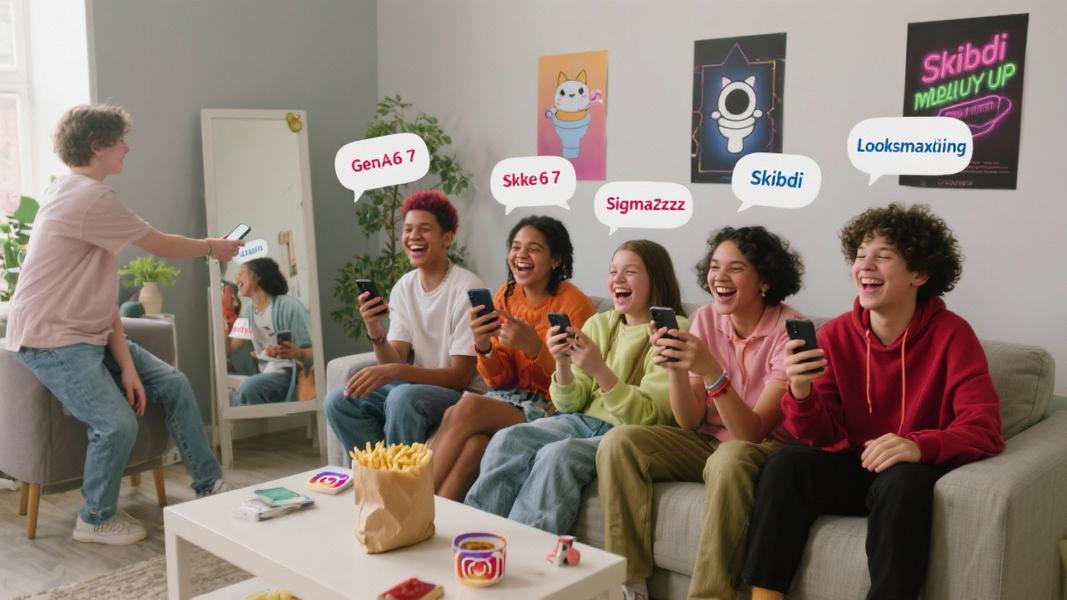
If you’ve heard a young teen use words like “rizz,” “skibidi,” or “gyatt” and found yourself completely lost in the conversation, you’re not alone. Generation Alpha — those born between 2010 and 2025 — has developed an entirely new linguistic landscape that’s evolving faster than ever before.
Much like Baby Boomers had their “groovy” or Millennials their “whatever,” today’s youngest generation has created a vocabulary that serves both as cultural glue and generational boundary marker. But what sets Gen Alpha apart is the unprecedented speed at which they create and abandon slang, primarily driven by platforms like TikTok and online gaming communities, according to language experts who’ve studied the phenomenon.
The New Language of Generation Alpha
Want to understand what your kids are saying in 2025? Here’s a crash course.
If someone has “rizz,” they possess exceptional flirting abilities. The term, an abbreviation of “charisma,” describes someone with magnetic appeal in romantic situations. When your teen mentions someone with “unmatched rizz,” they’re talking about a person with extraordinary charm that attracts others effortlessly, as language researchers have noted.
Then there’s “skibidi,” a reference to the surreal YouTube animated series “Skibidi Toilet” created by Georgian animator Alexey Gerasimov. The bizarre show features mobile toilets with human heads battling humanoids with speakers and cameras for heads — and has somehow become a cultural touchstone for this generation, cultural analysts explain.
“My 11-year-old nephew speaks almost entirely in these phrases,” says Melissa Harrington, a middle school teacher in Portland. “He’ll call something ‘Ohio’ when he means it’s weird or cringeworthy, with absolutely no connection to the actual state.”
Social Commentary Through Slang
Beyond just silly phrases, some Gen Alpha slang reflects deeper social awareness. “Brain rot,” for instance, describes the mental fog that comes from consuming too much low-quality online content — a self-aware critique of their own digital habits, as youth researchers discovered.
“Looksmaxxing” refers to the extreme measures some take to improve their appearance, often beyond a simple “glow up” and into territory involving cosmetic procedures. The term reflects both awareness of and participation in appearance-focused culture that permeates social media, linguistic experts suggest.
Is this just harmless wordplay or something more significant? Developmental psychologists point out that each generation’s slang serves as both identity marker and commentary on the world they’re inheriting.
“Fanum tax” exemplifies how internet personalities directly shape language. The term, referring to stealing food from someone else’s plate, originated with popular streamer Kai Cenat, who regularly “taxes” his friends’ meals in videos. The phrase jumped from content to classroom in a matter of weeks, educators have observed.
Honesty and Deception
Truth and lies have their own vocabulary. When someone is “capping,” they’re lying, while “no cap” means they’re telling the truth. These terms have become so mainstream that even some Millennials have adopted them, cultural linguists report.
“The ick” describes that sudden feeling of repulsion toward someone you were previously attracted to — a sensation that can be triggered by something as minor as seeing them run or hearing them use outdated slang. Dating coaches have tracked how this term has reshaped how young people discuss relationship dynamics.
Perhaps most puzzling to outsiders is “6-7” — a call-and-response phrase with no inherent meaning beyond shared recognition. Referencing rapper Skrilla’s “Doot Doot 6-7,” the phrase functions purely as an insider signal, communication researchers confirm.
Someone with “aura” possesses star quality and stylish swagger, while those emanating “negative aura” give off unpleasant vibes. “Glazing” someone means praising them excessively to the point of annoyance, and “mewing” describes specific jaw exercises aimed at defining one’s facial structure, according to youth culture analysts.
What’s most remarkable about Gen Alpha’s linguistic innovations isn’t just their creativity but their ephemeral nature. Terms that dominate playgrounds and social feeds today might be considered embarrassingly outdated within months — a pace of language evolution unprecedented in previous generations.
As one 12-year-old put it when asked about these terms: “By the time adults learn these words, we’re already using different ones. No cap.”
