
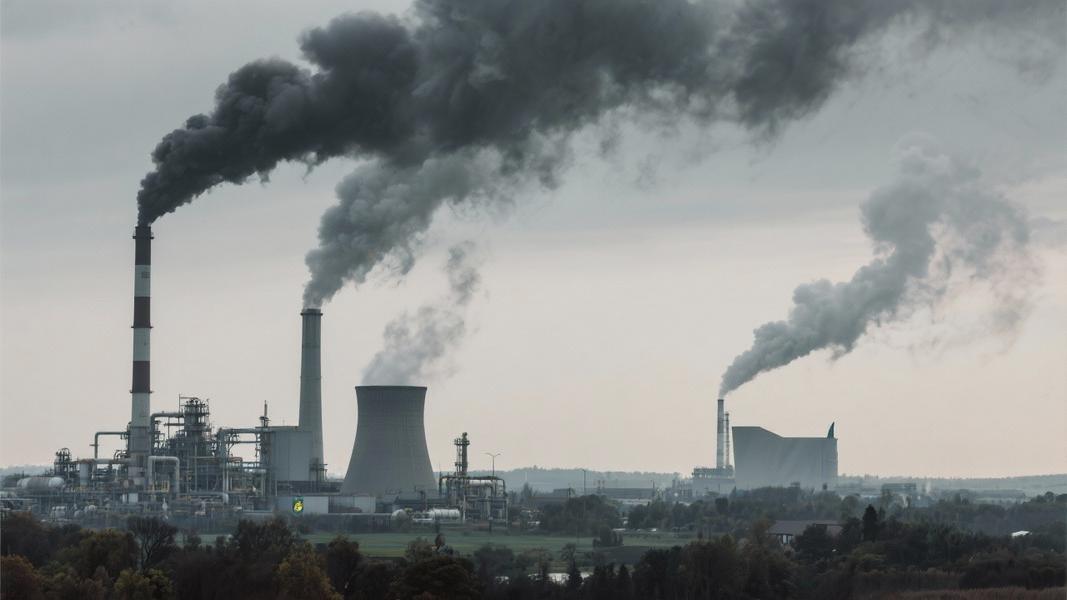
Every second, nearly 2.7 million pounds of carbon dioxide billows into Earth’s atmosphere. Every. Single. Second.
Global carbon emissions from fossil fuels are projected to hit an alarming new record in 2025, rising 1.1% from the previous year to reach a staggering 42 billion tons of CO2, according to data released by carbon project scientists. This marks the second consecutive year of increases, dashing hopes that humanity might finally begin bending the emissions curve downward.
The Relentless Rise
“It’s disappointing that we haven’t brought down carbon dioxide emissions,” said University of Exeter scientist Stephen Sitch, whose colleague Glen Peters described the increase as “relentless.” The frustration among climate scientists is palpable as negotiators gather at COP30 in Belem, Brazil, facing the stark reality that emissions aren’t just failing to decrease – they’re still climbing.
Some bright spots exist amid the gloom. Thirty-five countries managed to reduce their fossil fuel emissions while maintaining economic growth. China’s emissions remained steady compared to 2024, sparking cautious optimism that the world’s largest carbon polluter may have reached its peak.
However, the United States – which had previously been cutting emissions – reversed course with a 2% increase in fossil fuel CO2 in 2025. The aviation sector emerged as a particular concern, with emissions soaring by 6.8% year-over-year.
Monthly Monitoring Shows Troubling Trends
June 2025 alone saw global greenhouse gas emissions reach 5.12 billion tonnes CO₂ equivalent – a 0.29% increase compared to June 2024. Fossil fuel operations contributed disproportionately to this rise, with a 1.85% jump in their emissions compared to the same month last year.
What does this mean for our climate future? Nothing good. According to Climate Action Tracker, current governmental policies put the world on track for approximately 2.6°C (4.7°F) of warming above preindustrial levels – far exceeding the 1.5°C target established in the Paris Agreement.
“Unless there’s a change in political momentum, we’re going to cook. There’s no doubt about it,” Climate Analytics CEO Bill Hare warned.
Pledges vs. Reality
Even if countries fulfill all their climate pledges submitted for COP30, we’re still heading toward 2.2°C (4°F) of warming. That’s actually worse than last year’s projection, a backslide attributed partly to recent U.S. policy reversals under President Trump.
The gap between rhetoric and action continues to widen. While global leaders make promises at climate conferences, the actual emissions data tells a different story – one of record-breaking pollution that shows no sign of abating.
Reductions in deforestation and land use changes have helped offset some increases, but they’re not enough to counterbalance the persistent growth in fossil fuel consumption.
The science is unambiguous: to avoid the worst impacts of climate change, emissions must not only plateau but dramatically decline. Instead, they continue their upward march, second by second, minute by minute – 1.2 million kilograms of heat-trapping gases entering our atmosphere with each passing moment.
