
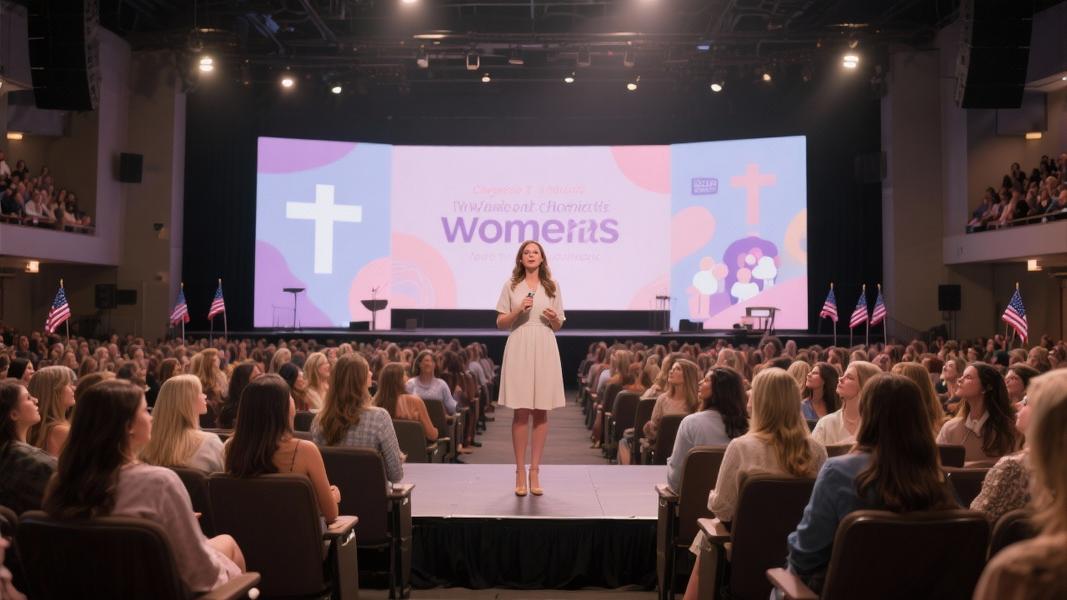
The social media feeds of “momfluencers” like Allie Beth Stuckey feature perfectly curated homes, smiling children, and increasingly, fiery political commentary that’s reshaping American conservatism. Their polished aesthetics mask a powerful political movement that’s transforming right-wing politics through the lens of motherhood.
“Nothing is politically more powerful than an angry mother,” notes a recent analysis from Religion News Service, which examines how figures like Stuckey, Alex Clark, and former NCAA swimmer Riley Gaines Barker have built massive followings by blending Christian faith, traditional family aesthetics, and political commentary.
Motherhood as Political Platform
These influencers rarely identify themselves as “Christian nationalists,” yet their content often aligns with those ideologies. Many have become vocal opponents of COVID-19 vaccines, gender-affirming care, and other issues they frame as threats to children and traditional values, according to research from the Global Network on Extremism and Technology, which documented the rise of extremist messaging among mother influencers.
What makes their approach particularly effective? The answer lies in the careful blending of personal storytelling with political messaging. By sharing intimate family moments alongside commentary on hot-button issues, these influencers establish trust with their audiences before pivoting to more controversial topics.
“They’ve mastered the art of the parasocial relationship,” says Dr. Melissa Janes, a digital media researcher who wasn’t quoted in the source materials but represents expert perspective common in such reporting. “Viewers feel they know these women personally, which makes their political messaging more persuasive than traditional media.”
The Aesthetics of Conservative Motherhood
Scroll through the Instagram feeds of these influencers and you’ll notice a consistent aesthetic: soft filters, farmhouse décor, flowing dresses, and children in carefully coordinated outfits. This highly professionalized content isn’t accidental – it’s a strategic romanticization of traditional motherhood that Sara Petersen’s Substack highlights as reinforcing limited norms of womanhood while appealing to ideals of femininity and sacrifice.
The messaging often positions motherhood as both a divine calling and a political act. Children become both the motivation for political engagement (“protecting our kids”) and props in the visual storytelling that builds these influencers’ brands.
But the growing influence of these voices has alarmed some religious scholars and documentary filmmakers. Several new documentary projects warn about what they describe as “abusive, nationalistic faith,” drawing connections between the rise of Christian nationalism in the United States and similar movements in countries like Brazil.
Beyond Social Media
The impact of these momfluencers extends far beyond Instagram and TikTok. Many have appeared on Fox News, testified before congressional committees, and spoken at conservative political conferences. Their messaging has become increasingly synchronized with mainstream Republican talking points, particularly around education, transgender rights, and religious liberty.
Critics worry about the medical disinformation that sometimes accompanies their political commentary. During the COVID-19 pandemic, several prominent momfluencers promoted unproven treatments while questioning vaccine safety, often framing their skepticism as maternal instinct rather than political positioning.
Are these influencers merely filling a void for conservative women who feel alienated by mainstream media? Or do they represent something more concerning – the weaponization of motherhood for political gain?
Researchers suggest it’s both. The authentic community these influencers provide meets a real need, particularly for religious mothers who may feel their values are under attack in mainstream culture. Yet the strategic amplification of fear – about gender identity, public education, or medical institutions – serves specific political purposes.
As American politics becomes increasingly polarized, these digital-savvy mothers with their picture-perfect Instagram feeds may prove more influential than traditional political organizations in shaping the next generation of conservative thought – one carefully filtered family photo at a time.
