
Green is the new red when it comes to roses — and every other flower in the vase. A seismic shift is underway in America’s floral industry as consumers increasingly demand sustainable blooms, with younger generations leading the charge.
The numbers tell a compelling story: 61% of Americans prefer shopping from florists who practice sustainability, according to research from floral industry experts. Even more striking? At least half of consumers are willing to pay a 10% premium for flowers with sustainable attributes.
This isn’t just a passing trend. It represents a fundamental change in how Americans — particularly younger generations — view their relationship with flowers and the planet.
Local Blooms Winning Hearts and Wallets
When given the choice between conventional, fair-trade, or organically grown options, consumers are overwhelmingly reaching for locally sourced flowers. A study from North Carolina State University found that 61.7% of participants would pay at least 10% more for locally grown arrangements.
“People want to know where their flowers come from,” says Maya Chen, a 24-year-old florist in Portland who has transitioned her business to exclusively source from farms within a 100-mile radius. “It’s not just about having something pretty anymore. It’s about the story and impact behind that beauty.”
That connection to story and source is particularly important to Generation Z consumers — those born between 1997 and 2012 — who are now entering their prime spending years. An overwhelming 77% of Gen Z consumers say they’re more likely to support brands embracing sustainable practices, indicates research from industry forecasters.
Millennials and Gen Z: Changing the Floral Landscape
What’s driving this shift? For starters, younger Americans are actually more likely to purchase flowers than their older counterparts. Gen Z and Millennials are particularly keen on giving flowers as gifts, analysis shows, upending the conventional wisdom that young people aren’t interested in traditional expressions of sentiment.
But there’s a catch — these younger buyers have non-negotiable expectations about sustainability.
“Gen Z wants to know the story behind your business,” explains floral industry consultant Mia Johnson. “They care where your flowers come from, who grew them, and how ethical the process is,” she notes in her industry guidance.
Is this just youthful idealism that will fade as these generations age? Industry experts don’t think so. Instead, they see these demands reshaping every aspect of the floral industry, from growing practices to packaging.
The Industry Response
Florists and growers aren’t waiting around. The industry is rapidly adopting sustainable bouquet sleeves and eco-friendly packaging, innovations that should be “touted to consumers,” according to floral trend forecasters. Many are also exploring new digital channels, with younger consumers showing greater openness to innovations like AI-assisted design and social commerce.
Some traditional florists are struggling with the transition. “It’s challenging to completely overhaul your supply chain when you’ve been doing business one way for decades,” admits Carlos Mendez, who owns a third-generation flower shop in Chicago. “But we either adapt or we die. The younger customers simply won’t compromise on their values.”
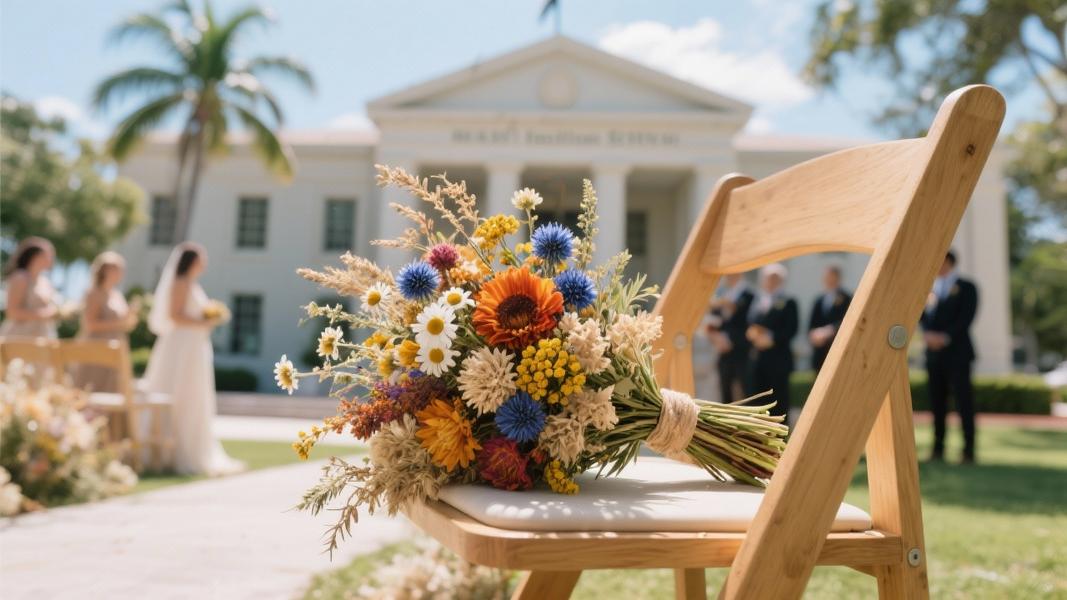
The wedding industry — traditionally a floral consumption powerhouse — is experiencing perhaps the most dramatic transformation. As Generation Z and millennials incorporate sustainability into their special days, some are growing their own bouquets, picking wildflowers, or using potted plants that can live long after the ceremony, reports indicate.
Beyond the Bouquet
This shift toward sustainable florals represents something larger than just changing consumer preferences. It reflects a generation’s attempt to reconcile beauty with responsibility, tradition with innovation.
“When I buy flowers now, I think about the carbon footprint, the working conditions of the people who grew them, the pesticides used,” says Jamie Rodriguez, a 26-year-old consumer in Atlanta. “That doesn’t mean I don’t still love flowers. I do. I just want to love them in a way that doesn’t hurt the planet.”
For an industry built on beauty, the message is clear: tomorrow’s growth will bloom from sustainable roots.
