
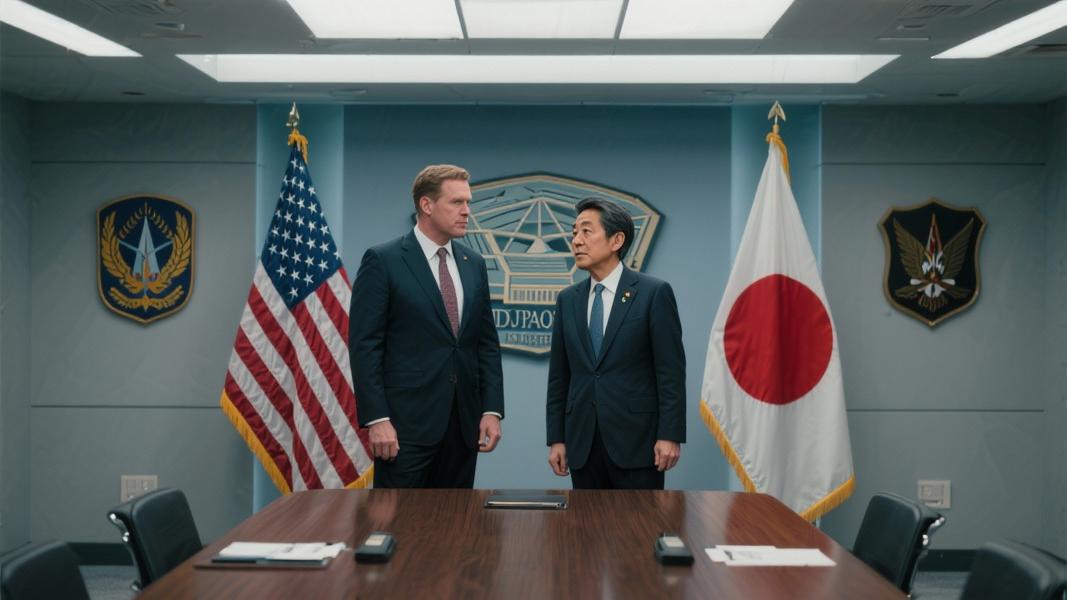
Japan has significantly ramped up its defense spending, reaching historic levels as the nation faces what it calls its most challenging security environment since World War II. The $50.1 billion defense budget for 2024 marks a 16.5% increase from the previous year, continuing the dramatic shift in Japan’s traditionally pacifist stance as regional threats multiply.
Prime Minister Fumio Kishida’s administration has committed to nearly doubling defense spending to 2% of GDP by 2027, aligning more closely with NATO standards in a dramatic departure from Japan’s decades-old policy of keeping military expenditures below 1% of its economic output. The move comes amid growing concerns about China’s military assertiveness, North Korea’s missile tests, and Russia’s actions in Ukraine, which Tokyo characterizes as creating the “most severe and complex security environment since World War II.”
Breaking with Tradition
Japan’s military transformation represents a fundamental shift for a nation whose post-war identity has been deeply tied to its pacifist constitution. Article 9 of the document, drafted under American occupation after World War II, formally renounces war and prohibits maintaining armed forces with “war potential.” Yet Japan has gradually reinterpreted these constraints over decades.
The country now maintains what it calls the Self-Defense Forces, which has evolved into one of the world’s most advanced militaries. The latest budget will fund new capabilities including long-range missiles that can strike targets in enemy territory — a capability previously considered too offensive for Japan’s constitutional limitations.
“We are determined to defend the people’s lives, livelihoods and peaceful daily lives,” Defense Minister Minoru Kihara told reporters after the budget’s approval. “To prepare for the drastically changing security environment, we will accelerate our realistic and practical defense buildup.”
Countering Regional Threats
What’s driving this historic shift? China looms largest in Japan’s strategic calculations. Beijing’s rapid military modernization, assertiveness in territorial disputes, and growing naval presence around Japanese waters have alarmed Tokyo’s security establishment.
North Korea’s continued missile tests — including those that have flown over Japanese territory — represent another immediate concern. The hermit kingdom conducted an unprecedented number of missile launches in recent years, many landing in waters near Japan.
Russia’s invasion of Ukraine has only intensified Japan’s sense of vulnerability. Officials in Tokyo frequently draw parallels between Ukraine’s situation and potential threats in East Asia, warning that “Ukraine today could be East Asia tomorrow.”
The new budget allocates significant funding for what Japan calls “counterstrike capabilities” — missiles and other weapons that can target enemy bases before an attack is launched. This includes acquiring U.S.-made Tomahawk cruise missiles and developing indigenous weapons with ranges exceeding 1,000 kilometers.
U.S. Alliance Strengthened
Japan’s military buildup comes with enthusiastic American support. The Biden administration has welcomed Tokyo’s more assertive defense posture as it seeks to bolster alliances in the Indo-Pacific to counter China’s influence.
The U.S.-Japan alliance has been upgraded significantly in recent years. Both nations have expanded joint exercises, enhanced intelligence sharing, and integrated their command structures more closely. Japan’s new capabilities are designed to complement American forces, creating what security experts call a more “balanced” alliance where Japan takes greater responsibility for its own defense.
Is Japan abandoning pacifism entirely? Not quite, analysts say. The Kishida government has carefully framed its military expansion as defensive in nature, emphasizing that Japan remains committed to its role as a “peace-loving nation.”
Economic Challenges
Funding this military expansion presents significant challenges for Japan’s debt-laden economy. With public debt exceeding 260% of GDP — the highest among developed nations — critics question whether Japan can sustain the planned increases without raising taxes or cutting social programs.
The government has indicated it will need to secure about 43 trillion yen (approximately $300 billion) over the next five years to fund its defense buildup. Prime Minister Kishida has proposed a combination of tax increases, spending cuts, and bond issuances to cover the costs, though the details remain contentious.
“The question isn’t whether Japan should strengthen its defense — it’s whether the current approach is sustainable and balanced,” said Yuki Tatsumi, director of the Japan program at the Stimson Center in Washington. “Japan faces demographic decline, economic stagnation, and now significantly higher defense costs. Something will have to give.”
For ordinary Japanese citizens, the dramatic shift in defense policy represents both reassurance and concern. Polls show growing public support for a stronger military posture, with many Japanese increasingly worried about regional security threats. Yet there’s also unease about the financial implications and the potential for further militarization.
As Japan navigates this historic transition, one thing is clear: the country once defined by its pacifism is rewriting its security identity for a new era — one missile, ship, and defense dollar at a time.
