
Supreme Court Justice Ruth Bader Ginsburg Hospitalized with Fever, Expected to Recover
Justice Ruth Bader Ginsburg was admitted to Johns Hopkins Hospital in Baltimore after experiencing chills and fever, court officials confirmed Friday. The 86-year-old Supreme Court justice was initially evaluated at Sibley Memorial Hospital in Washington before being transferred for more comprehensive care.
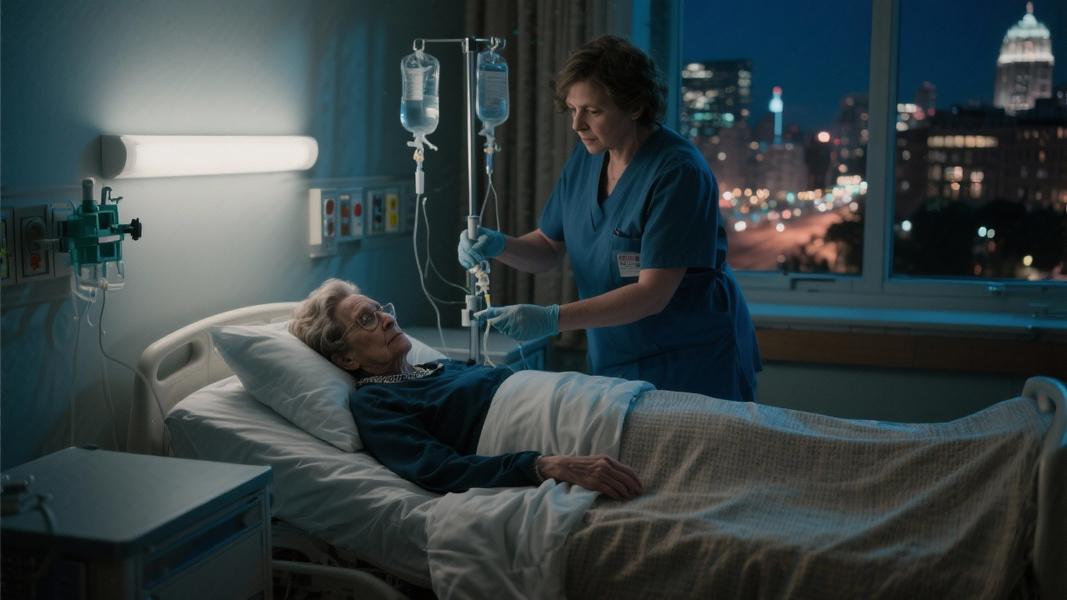
Doctors administered intravenous antibiotics and fluids to treat what appears to be an infection. According to a statement from the court, Ginsburg’s symptoms have “abated” and she’s expected to be released “as early as Sunday morning.”
A Familiar Pattern
This isn’t the first time the justice has faced health challenges in recent months. Ginsburg’s most recent previous hospital stay was also in November, when she spent two nights at Johns Hopkins with what doctors described as a likely infection after suffering similar symptoms.
The court’s oldest member has developed something of a reputation for her resilience. She’s maintained her active role on the bench despite multiple cancer diagnoses and various health setbacks over the years.
After her previous hospitalization, a court spokeswoman confirmed that “Justice Ginsburg has been discharged from the hospital. She is home and doing well.”
Work as Medicine
How does Ginsburg maintain her rigorous schedule despite recurring health issues? The justice herself credits her work on the court.
“I think my work is what saved me because instead of dwelling on my physical discomforts, if I have an opinion to write or I have a brief to read, I know I’ve just got to get it done,” Ginsburg once explained. She noted that fellow Justice Sandra Day O’Connor provided practical advice during her first cancer treatment: “Ruth, you schedule your chemotherapy for a Friday. Then you can get over it on Saturday and Sunday and be back in court on Monday.”
This work ethic has defined Ginsburg’s approach to her health challenges throughout her 27-year tenure on the nation’s highest court.
Ginsburg, a fierce advocate for women’s rights throughout her career, has become something of a cultural icon in recent years. “Women belong in all places where decisions are being made. It shouldn’t be that women are the exception,” she once remarked — a statement that has become one of her most recognized quotes.
Court watchers and supporters alike will be monitoring her recovery closely, given both her age and her critical role as part of the court’s liberal wing in a deeply divided institution.
