
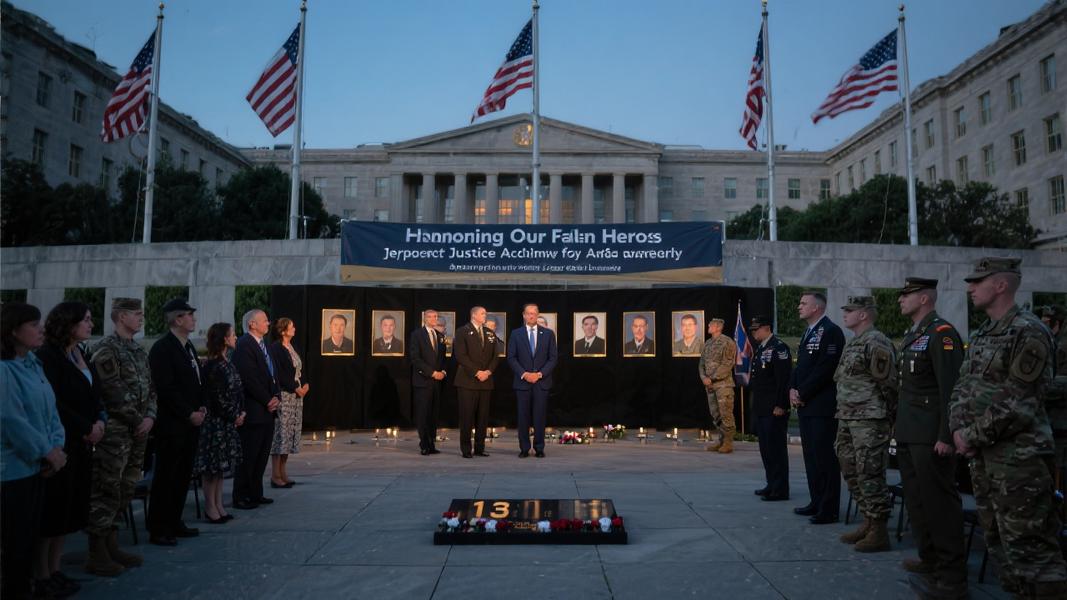
The deadly suicide bombing at Kabul’s international airport in August 2021 claimed the lives of 13 American service members and as many as 200 Afghan civilians, marking one of the most devastating attacks during the chaotic U.S. withdrawal from Afghanistan.
The August 26 attack, carried out by an ISIS-K suicide bomber at Abbey Gate, struck during a desperate evacuation effort as thousands of Afghans sought escape following the Taliban’s swift takeover of the country. Among the American casualties were eleven Marines, one Navy corpsman, and one soldier who were supporting non-combatant evacuation operations, the Department of Defense confirmed.
A Devastating Toll
The carnage was immense. At least 182 people were killed during the attack, with 169 Afghan civilians among the dead, according to multiple accounts. The bombing stands as one of the deadliest incidents of the entire 19-year U.S.-led war in Afghanistan, analysts note.
How did such a devastating attack happen during a military evacuation? Security experts point to the chaotic conditions surrounding the airport perimeter, where thousands of desperate Afghans gathered hoping to secure passage out of the country. The dense crowds created an almost impossible security situation for American forces trying to manage the evacuation while also protecting against terrorist threats.
Congressman Morgan Griffith was among many U.S. officials who condemned what he called a “botched withdrawal,” noting that beyond the 13 American deaths, approximately 18 other American soldiers were wounded in the attack.
Justice and Accountability
Some measure of justice came in 2023, when U.S. authorities arrested an ISIS-K planner believed responsible for orchestrating the Abbey Gate bombing. The Justice Department announced the arrest as part of ongoing counterterrorism efforts against the ISIS offshoot that claimed responsibility for the attack.
The bombing occurred during the final days of America’s military presence in Afghanistan, a withdrawal that ended the country’s longest war but left behind questions about strategic planning and execution. Critics have pointed to the attack as evidence of inadequate preparation, while defenders of the withdrawal note the unprecedented scale of the evacuation effort, which ultimately transported more than 120,000 people to safety.
For families of the fallen, however, policy debates offer little comfort. The 13 service members – some barely in their twenties – represented diverse backgrounds but shared a common mission: helping others escape danger. Their sacrifice came during what was supposed to be the end of America’s military involvement in Afghanistan.
Two years after the attack, the memory of Abbey Gate remains a painful reminder of war’s human cost – and how even in its final hours, America’s longest conflict extracted a terrible price from those who served.
