
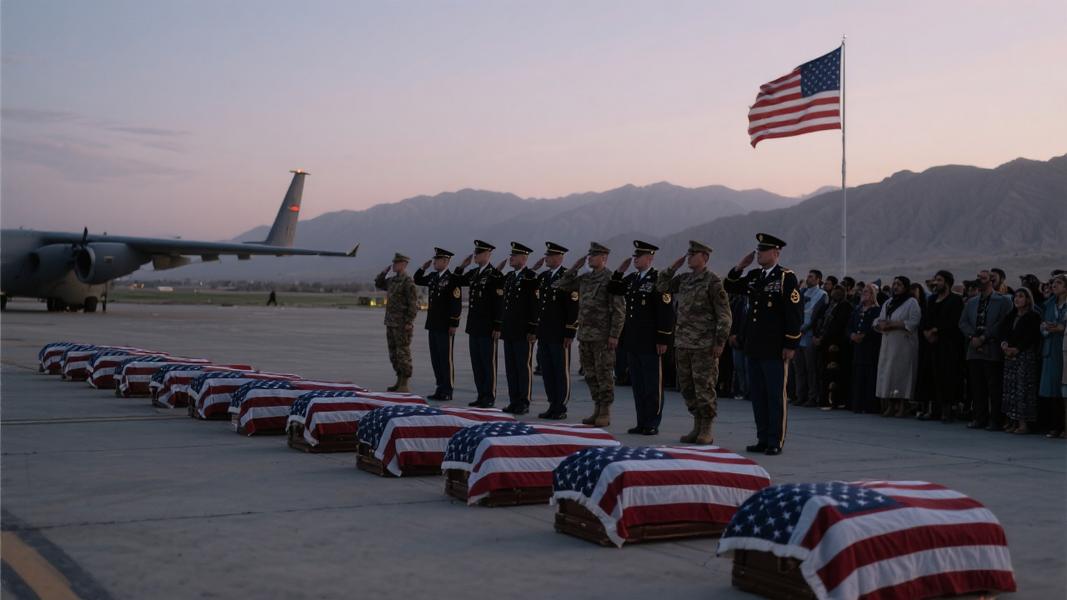
The 2021 Kabul airport bombing remains one of the darkest chapters in America’s chaotic withdrawal from Afghanistan, claiming the lives of 13 U.S. service members and at least 169 Afghan civilians in a single devastating moment.
Three years later, the August 26 attack still reverberates through American politics and military circles, highlighting the human cost of what many consider the hasty end to America’s longest war. The suicide bombing, carried out amid desperate evacuation efforts at Hamid Karzai International Airport, marked one of the deadliest single incidents for U.S. forces in the entire 20-year conflict.
A Chaotic Evacuation Turns Deadly
The attack unfolded during scenes of desperation. Thousands of Afghans had gathered at the airport perimeter, many clinging to the hope of escape as Taliban fighters solidified control of Kabul. U.S. Marines and other service members were processing evacuees when an ISIS-K suicide bomber detonated an explosive vest in the dense crowd at the Abbey Gate entrance.
Beyond the 13 American deaths, the blast injured at least 18 other U.S. military personnel and killed approximately 170 Afghan civilians. The final death toll makes it one of the single deadliest attacks throughout America’s entire Afghan campaign.
“On one of the darkest days in our Nation’s history, 4 years ago, the gates of hell sprung open when an evil Jihadi terrorist carried out a suicide bombing in Kabul, Afghanistan — killing 13 heroes of our United States Armed Forces and shattering the hearts of Americans and our allies,” former President Donald Trump said in a recent proclamation commemorating the fallen.
The American Fallen
Who were these service members who made the ultimate sacrifice? The Department of Defense released their names in the days following the attack. They included eleven Marines, one Navy corpsman, and one soldier – many barely in their twenties, some on their first deployment.
Their deaths occurred during what was supposed to be a humanitarian mission, processing Afghan allies and others eligible for evacuation as the Taliban rapidly took control of the country. The attack represented the deadliest day for American forces in Afghanistan since 2011.
Trump’s proclamation struck a solemn tone: “We will never forget you; we will never forsake you; and your memory will live on forever.”
Aftermath and Accountability
The U.S. response was swift but problematic. Just three days after the bombing, American forces conducted a drone strike against what they believed was an ISIS-K vehicle preparing another attack. The strike, however, mistakenly killed 10 Afghan civilians, including seven children – a tragic error the Pentagon later acknowledged.
Justice has been slow but not entirely absent. U.S. authorities eventually apprehended an alleged ISIS-K attack planner implicated in the bombing, though details surrounding this arrest remain limited.
The political fallout continues to this day. “As Commander in Chief, I will never allow our military service members to be so betrayed, our friends to be so abandoned, and our credibility to be so destroyed,” Trump stated in his proclamation, reflecting the partisan divide over responsibility for the chaotic withdrawal.
The Broader Context
Could the attack have been prevented? This question haunts military planners and politicians alike. The rapid collapse of the Afghan government – faster than most intelligence estimates predicted – created conditions where U.S. forces were operating in an increasingly hostile environment with limited security options.
The Abbey Gate bombing underscored the challenges of the entire Afghanistan withdrawal. U.S. forces were tasked with evacuating thousands of people while maintaining security in an area they no longer controlled, all while adhering to a tight deadline negotiated months earlier.
Three years later, the events at Kabul airport remain both a military tragedy and a political lightning rod – a somber reminder of the human cost when geopolitical strategies meet harsh realities on the ground.
