
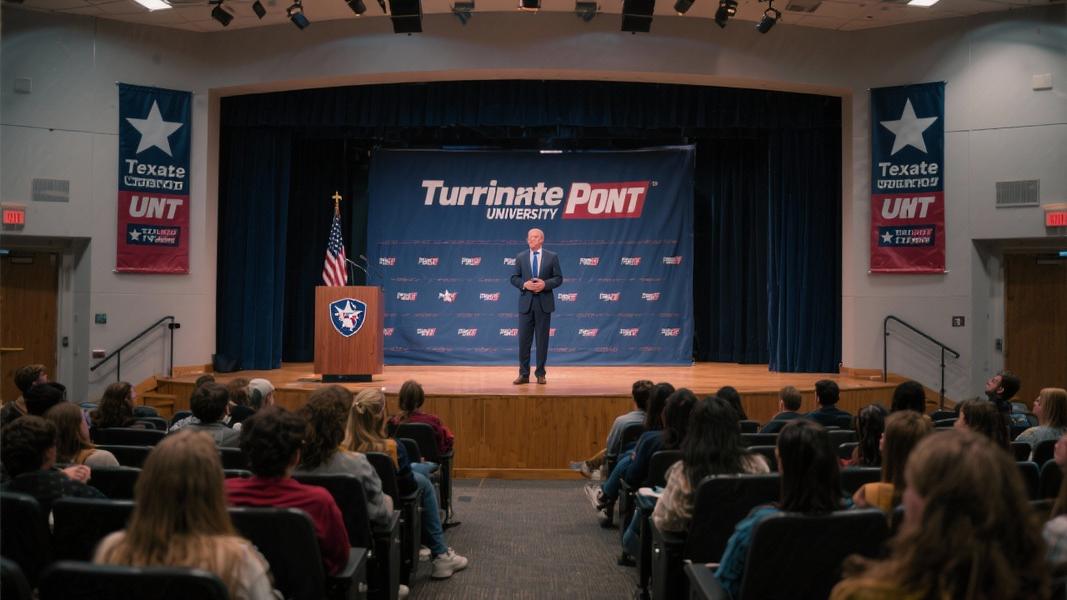
Texas Attorney General Ken Paxton is set to speak at a Turning Point USA event at Texas State University next fall, bringing his brand of conservative politics to a campus that’s become a flashpoint in the state’s culture wars.
The event, scheduled for November 12, 2025, will feature Paxton addressing the university’s chapter of the conservative youth organization. Doors will open at 5:30 p.m., with the program beginning at 6:00 p.m. While open to the public, students will receive preferred seating, according to information published by the Republican Attorneys General Association.
“Much of the conservative movement in Texas is powered by young patriots who refuse to be intimidated by the radical left,” said Paxton in a statement about the upcoming appearance. “I’m honored to stand with the Texas State University Turning Point chapter as they remind their peers that courage and conviction will shape the future of our state and our nation.”
A Controversial Figure
Paxton’s visit comes amid his continued popularity with conservative voters despite years of legal troubles. The attorney general has faced securities fraud charges and was recommended for impeachment, yet remains a champion for right-wing causes in Texas and nationally.
Since taking office as the state’s 51st Attorney General in January 2015, Paxton has built a reputation as a fierce defender of Texas sovereignty against federal overreach. He leads more than 4,000 employees across 38 divisions and 117 offices throughout the state, including nearly 750 attorneys handling approximately 30,000 cases annually.
What’s behind his enduring appeal? For supporters, it’s his willingness to take on fights they believe matter. During his first year in office, Paxton filed eight lawsuits against the federal government on issues ranging from environmental regulations to religious freedom. He also led a 26-state coalition that successfully challenged President Obama’s immigration policies in federal courts, as documented by the National Association of Attorneys General.
Fighting Human Trafficking
One of Paxton’s first major initiatives as attorney general was establishing a special unit dedicated to combating human trafficking in Texas. The Human Trafficking and Transnational Organized Crime section helped arrest the CEO of Backpage.com and coordinated efforts to permanently shut down what was then the largest online sex-trafficking marketplace in the United States.
His office’s Child Support Division has also garnered recognition as one of the most effective programs of its kind nationally. In fiscal year 2018 alone, the division collected more than $4.378 billion for Texas families, reportedly saving taxpayers over $1 billion in public assistance costs.
Born on December 23, 1962, Paxton’s political career began well before his current role. The Baylor University and University of Virginia Law School graduate served as both a Texas State Representative and Senator before winning the attorney general’s office in 2014, according to his biographical information.
Campus Politics
The upcoming appearance at Texas State University puts Paxton in front of a key demographic – young conservative activists who have increasingly organized on college campuses. Turning Point USA chapters have expanded their presence at universities across the country, often generating controversy with provocative speakers and events.
For Paxton, it’s familiar territory. “I’m honored to stand with the Texas State University Turning Point chapter as they remind their peers that courage and conviction will shape the future of our state and our nation,” he stated in the event announcement.
The San Marcos campus has seen its share of political tension in recent years, making it a symbolic venue for the attorney general’s message about standing firm against what he characterizes as “the radical left.”
Whether the event will spark protests or counter-programming remains to be seen, but one thing is certain: nearly a year before he takes the stage, Paxton’s scheduled appearance already underscores the deep political divisions that continue to define higher education in Texas and beyond.
