
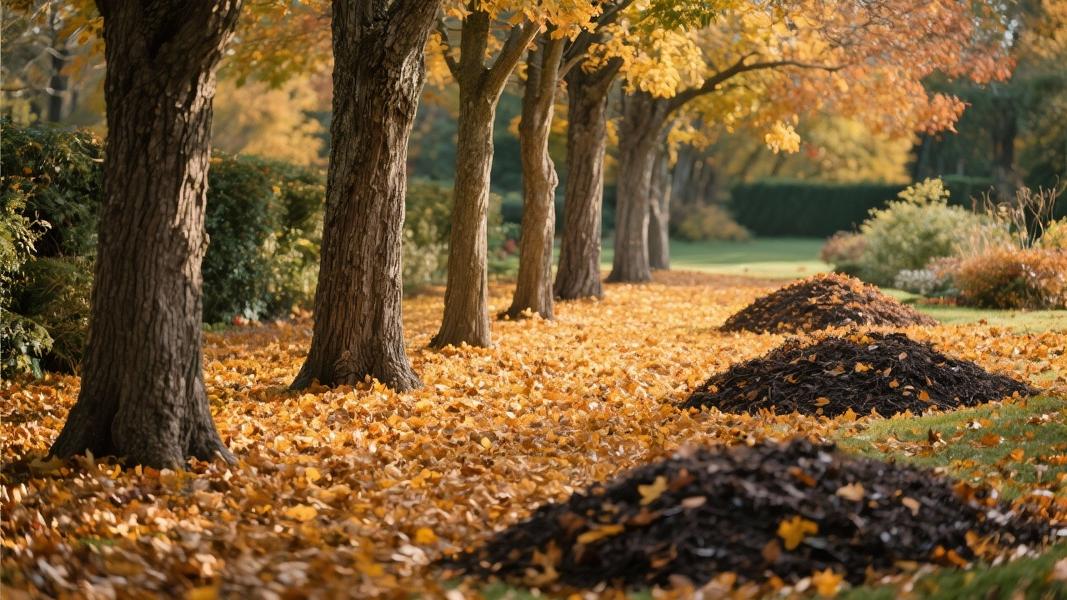
In a world obsessed with expensive fertilizers and store-bought soil amendments, gardening experts are pointing to something that literally falls from the trees: leaf mold, nature’s free gift to gardeners that might just be the unsung hero of soil health.
Often overlooked or bagged and tossed to the curb, fallen leaves represent an untapped resource that could transform gardens across the country. Recent research has shown that this simple, decomposed leaf matter not only improves soil structure but also fights plant diseases and boosts yields – all without the environmental downsides of commercial products.
Nature’s Perfect Soil Amendment
What exactly is leaf mold? Unlike traditional compost, it’s created through a slower, fungal-dominated decomposition process. “Leaf mold is a simple, free, and extremely helpful resource for your garden,” according to gardening experts at Sow Right Seeds, who recommend it as an essential addition to any garden.
The benefits aren’t just anecdotal. A recent study by Richardville and colleagues found that “locally made leaf mold compost not only reduced waste but also improved soil organic matter, increased soil microbial activity, and lowered the severity of foliar diseases,” as noted in agricultural publications.
Surprisingly, creating leaf mold requires almost no effort. “The easiest way to make leaf mold is let nature take its natural course. Let the leaves rot where they fall,” explains DNR Tree Link. For those wanting to speed up the process, simply collecting leaves in bags with a bit of soil and letting them break down over winter will produce a crumbly, earthy material perfect for garden beds.
Better Than Commercial Alternatives?
Could this free resource actually outperform expensive store-bought products? Garden expert Marty suggests that “leaf mold would be far better, adding that wood chips steal nitrogen from the soil much needed by plants.” This nitrogen-preserving quality gives leaf mold a distinct advantage over wood mulch, which can temporarily deplete soil as it breaks down.
What makes leaf mold so effective? It’s all about the microscopic life it harbors. “Many fungi and bacteria are essential to healthy soil. Mycorrhizal fungi form partnerships with plant roots, improving nutrient absorption,” states Leaf & Limb. These beneficial relationships help plants access nutrients that might otherwise remain locked in the soil.
For seed starting and protecting delicate soil structure, leaf mold offers unique benefits. “Harvesting leaf duff (leaf mould) from the woods is a great way to increase the organic matter and mineral content of your gardens while adding beneficial microorganisms and fungi,” writes The Survival Gardener, highlighting its versatility across different gardening applications.
A Circular Solution
Beyond the garden benefits, there’s an environmental angle too. Each fall, millions of bags of leaves end up in landfills, where they produce methane as they decompose without oxygen. By repurposing this “waste” into leaf mold, gardeners create a circular system that benefits both their plants and the planet.
“Applying leaf mold to your garden will boost soil life, will provide minerals for your plants, and will improve the structure of your garden’s soil,” enthusiasts at Permies confirm, pointing to the triple benefit of this simple practice.
As gardeners increasingly seek sustainable, low-cost solutions that work with nature rather than against it, leaf mold represents something of a perfect solution – it’s free, effective, and requires minimal effort. The biggest challenge might simply be convincing people that something so valuable shouldn’t be bagged and thrown away in the first place.
