
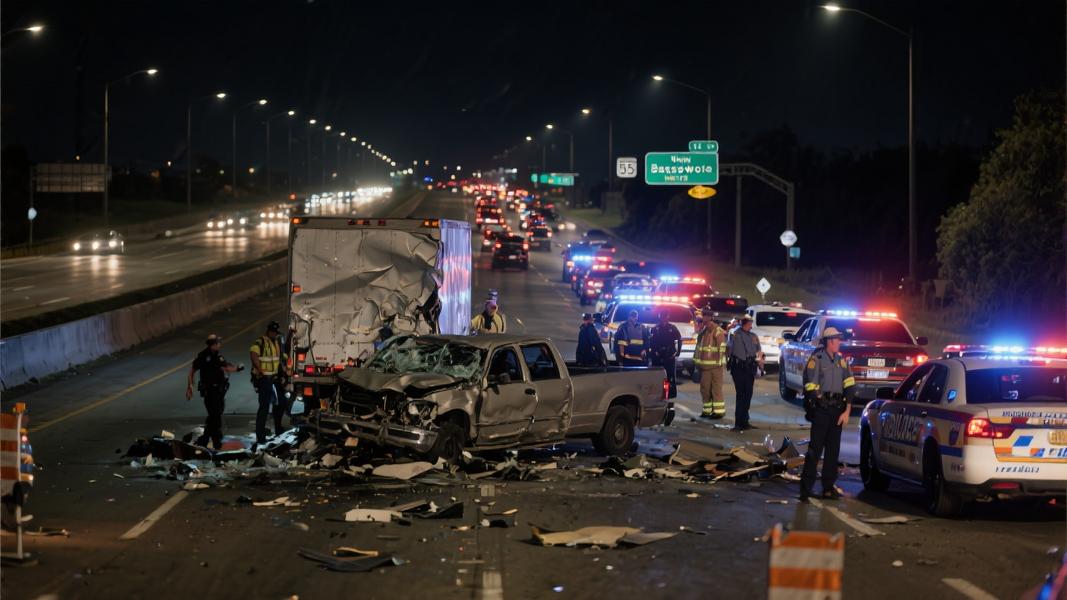
Six lives were lost and dozens more forever changed when a massive 133-vehicle pileup turned Interstate 35W in Fort Worth into a scene of twisted metal and shattered glass. The February 11, 2021 crash, occurring during a punishing winter storm, has now been officially blamed on insufficient road treatment and drivers pushing their luck on treacherous roads.
The National Transportation Safety Board’s final report, released after a comprehensive investigation, pointed to a perfect storm of factors: inadequate deicing treatments, poorly trained highway maintenance crews, and vehicles traveling at speeds unsafe for the conditions, as investigators concluded.
Chaos on Ice
“There were multiple people that were trapped within the confines of their vehicles and requiring the use of hydraulic rescue equipment to…” noted a first responder statement from the scene, capturing just a glimpse of the desperate rescue efforts that morning, according to officials who later called for a formal investigation.
The chain-reaction disaster unfolded shortly before 6:30 a.m. when freezing rain and sleet created a virtual skating rink on the interstate. “Vehicles, including 18-wheelers and passenger cars, skidded off the road and continued to crash into each other as the pileup grew,” witnesses recounted as the scene continued to deteriorate in real-time.
Among the vehicles caught in the devastating crash were a FedEx truck and more than a dozen 18-wheelers, significantly compounding the severity of the pileup, as records show. The sheer scale of the accident overwhelmed first responders, who found themselves racing against time and treacherous conditions to reach those trapped.
Could It Have Been Prevented?
How did a pretreated road end up becoming the site of one of Texas’ worst traffic disasters? The answer lies in the timing. “The National Transportation Safety Board found the roads had been pretreated to prevent icing but a round of freezing rain and sleet moved in hours before the crash,” reports indicate, suggesting the initial treatment proved insufficient against the relentless winter storm.
The massive pileup resulted in six fatalities, with two victims being pedestrians struck on the roadway. In addition, 36 people were transported to area hospitals with injuries ranging from minor to critical. “Over 100 vehicles were involved in the crash on I-35, and multiple people were trapped in their cars,” the Fort Worth Fire Department confirmed as they coordinated the complex rescue operation.
The NTSB’s findings highlight a broader concern about winter weather preparedness in regions that don’t regularly experience severe ice storms. Private highway maintenance crews, according to the report, lacked sufficient training for such extreme conditions—a crucial factor in the tragedy’s unfolding.
Looking Forward
The catastrophic pileup has prompted calls for improved emergency protocols and more rigorous training requirements for road maintenance crews operating in regions susceptible to occasional but severe winter weather events. It also serves as a stark reminder of how quickly driving conditions can deteriorate when winter weather strikes areas unaccustomed to such extremes.
For survivors and families of victims, the NTSB report offers some closure, but little comfort. The six lives lost that February morning represent more than statistics in a traffic report—they’re a sobering reminder of nature’s power and the sometimes fatal consequences when infrastructure, training, and driver behavior aren’t perfectly aligned with challenging conditions.
