
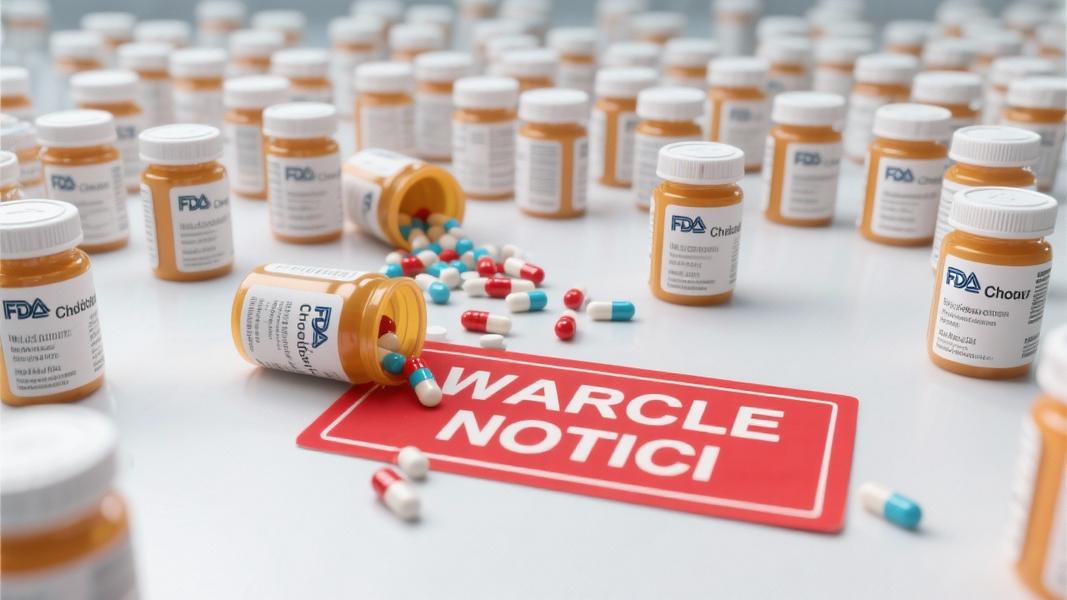
Two pharmaceutical companies have initiated nationwide recalls of popular cholesterol medications due to manufacturing defects, potentially affecting over 30,000 bottles of prescription drugs across the country.
Zydus Pharmaceuticals is pulling approximately 22,896 bottles of Icosapent Ethyl capsules from shelves after discovering some capsules were leaking, leading to oxidation issues. “Zydus Pharmaceuticals is recalling approximately 22,896 bottles of Icosapent Ethyl capsules. The medication, manufactured by Softgel Healthcare and distributed in 120-count bottles, was classified as a subpotent drug,” according to FDA reports.
The second recall comes from AvKARE, which is withdrawing its Rosuvastatin Tablets packaged in 50-tablet unit dose cartons. The issue? “The medicine, according to federal officials, doesn’t dissolve the way it’s supposed to once you take it,” creating potential absorption problems for patients.
What’s the risk?
While these recalls sound alarming, the FDA has designated both as Class II, meaning they “might cause temporary, medically reversible health problems.” Serious consequences are considered “remote,” according to regulatory documents.
For patients taking the affected Icosapent Ethyl capsules, the subpotency issues “may lead to inconsistent therapeutic effects and an increase in potential gastrointestinal side effects in some patients.” In other words, your medicine might not work as well as it should, and you might experience more stomach-related side effects.
The Zydus recall specifically affects lot numbers S2520304, S2520333, and S2540186, all with expiration dates in 2027. The company initiated this action on December 30, 2025.
Meanwhile, AvKARE’s Rosuvastatin recall targets lot number 49124 with an expiration date of December 31, 2026. This recall began one day after the Zydus action, on December 31, 2025.
What should patients do?
If you’re currently taking either medication, it’s worth checking your bottle against the recalled lot numbers. Both recalls remain ongoing, with the FDA noting that “Both recalls are still considered ongoing.”
Patients should consult with their healthcare providers before stopping any prescribed medication, even those affected by recalls. Your doctor can advise on appropriate alternatives or replacement prescriptions if needed.
These dual recalls highlight the ongoing challenges in pharmaceutical manufacturing quality control, even as millions of Americans depend on cholesterol medications daily to manage their cardiovascular health. For now, vigilance and communication with healthcare providers remain the best approach for affected patients.
