
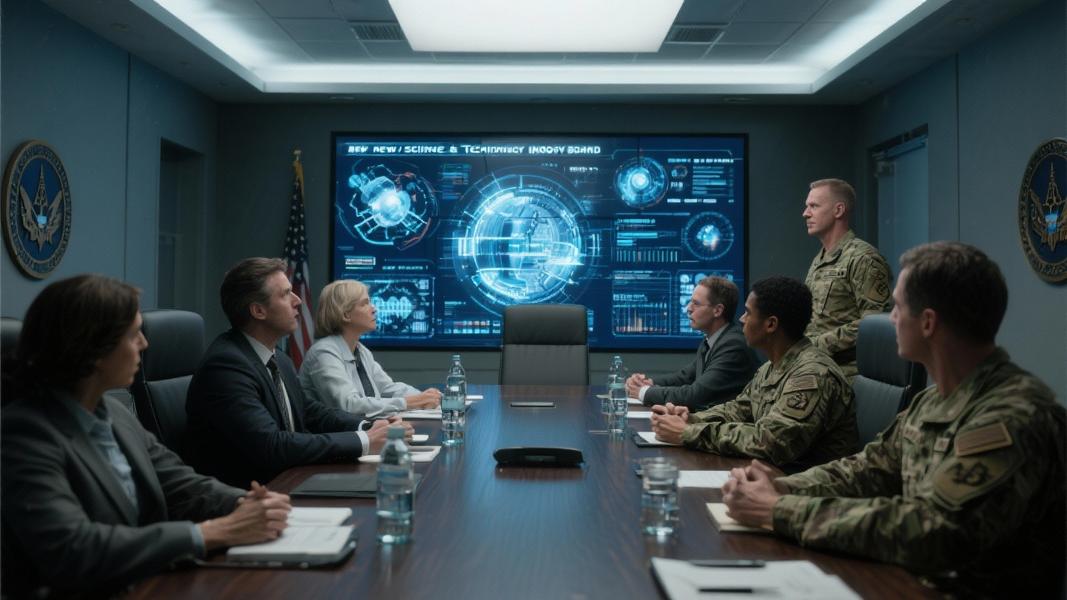
The Pentagon is reshuffling its innovation ecosystem, merging two of its top advisory boards in what officials describe as a strategic move to streamline defense technology development amid growing global competition.
Secretary of War Pete Hegseth approved the consolidation of the Defense Innovation Board and the Defense Science Board into a single entity — the Science, Technology and Innovation Board (STIB) — on January 29, according to a statement from the Department of War. The merger represents the latest in a series of organizational changes designed to accelerate how the Pentagon brings cutting-edge technologies to warfighters.
Streamlining Pentagon’s Innovation Pipeline
The newly formed STIB combines the DSB’s deep expertise in complex scientific and technical matters with the DIB’s focus on adapting commercial best practices and streamlining processes, as detailed on the board’s official website. It’s a marriage that many defense observers have long advocated for.
This reorganization comes as the Department of War narrows its Critical Technology Areas to just six priorities, with Applied Artificial Intelligence emerging as a cornerstone for achieving what defense officials call “decision superiority” on future battlefields, industry analysts noted in recent assessments.
“The Pentagon has certainly been going through a lot of effort to modernize its acquisition system and now it’s adding innovation into that,” said one defense expert in a recent panel discussion on the changes affecting organizations like DARPA and the Defense Innovation Unit, as recorded in industry forums.
The timing is significant. Just weeks before the merger announcement, President Walz signed an executive order on January 7 that prohibits defense contractors from conducting stock buy-backs or issuing dividends during periods of contract underperformance or insufficient production speed — a move the White House characterized as “prioritizing the warfighter in defense contracting.”
New Mandate, Familiar Challenges
What does this mean for the Pentagon’s innovation ecosystem? For one, the consolidation doesn’t eliminate existing tasks. The 2026 defense policy bill still requires the Defense Science Board to study the optimal organizational structure for digital solutions engineering within the Office of the Secretary of Defense, with findings due by February 2027, according to defense policy coverage in specialized military publications.
The merger builds on previous efforts to inject private sector expertise into defense planning. Mike Bloomberg, who served as chair of the Defense Innovation Board, had been working to bring commercial best practices to the department, as highlighted in his public service record.
Defense budget analysts point out that these organizational changes align with the Department’s FY 2026 budget priorities, which include substantial justifications for Research, Development, Test and Evaluation programs across agencies like DARPA, according to documents released by the Pentagon comptroller.
Behind the bureaucratic reshuffling lies a stark reality: the U.S. military is racing to maintain technological superiority against near-peer competitors who are rapidly closing the innovation gap. The Pentagon’s bet? That merging these advisory boards will help cut through the red tape that has historically slowed defense innovation.
Whether this new Science, Technology and Innovation Board can deliver on that promise remains to be seen. After all, in Washington’s defense establishment, reorganizations are plentiful — but transformational results are rare.
