
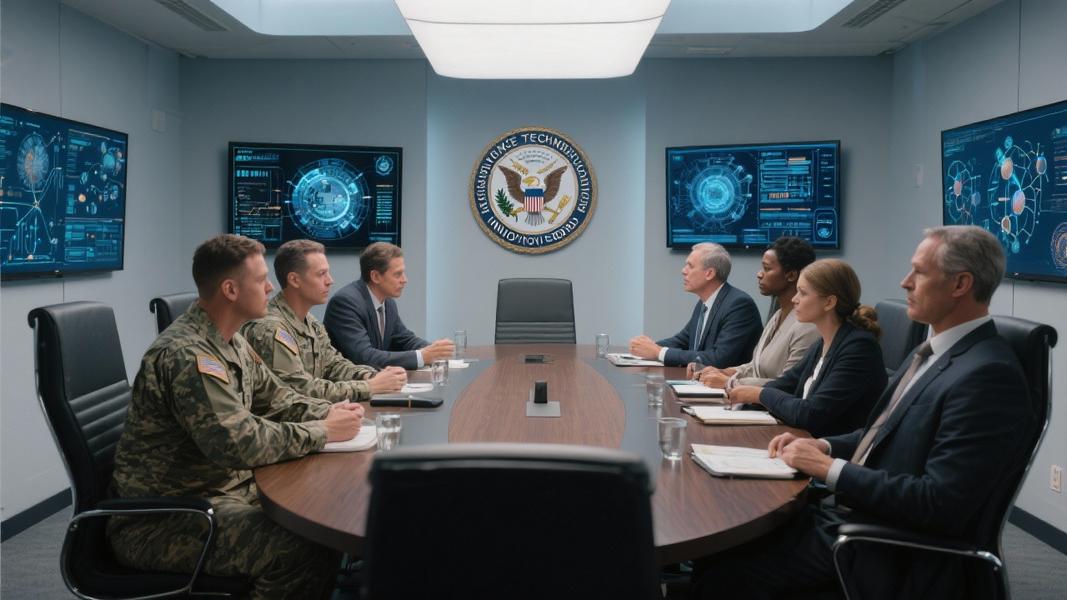
In a move to streamline Pentagon innovation efforts, Secretary of War Pete Hegseth has approved the merger of two key advisory boards into a single entity focused on delivering cutting-edge technology to American forces. The Defense Innovation Board (DIB) and Defense Science Board (DSB) will combine to form the new Science, Technology and Innovation Board (STIB), according to a January 29, 2026, announcement revealed on the Department’s technology portal.
The consolidation aims to create a more agile advisory structure that can, in the Department’s words, “play a recognized role in helping to solve the Department’s most vexing challenges through science, technology and innovation.” This merger combines the DSB’s long-standing expertise in complex scientific matters with the DIB’s focus on streamlining processes and implementing commercial best practices.
Why merge now?
The timing reflects growing concerns about fragmented innovation efforts across the Defense Department. Just eighteen months earlier, the Defense Innovation Board had recommended establishing an Undersecretary of Defense for International Industrial Cooperation, highlighting persistent communication barriers between research and acquisition functions. “In that environment, we’re seeing extremely quick innovation and in partnership with the research and engineering directorate, there isn’t the — since we separated A&S from R&E, we aren’t seeing the ability to or effective means of communication to move in that effort,” DIB member Kane said during a public meeting documented by DefenseScoop.
The DIB has operated as an independent advisory committee providing outside perspective to Pentagon leadership on emerging technologies and innovation practices. Its members, drawn primarily from the private sector and academia, have pushed the Department to adopt more commercial approaches to technology development and acquisition.
Meanwhile, the Defense Science Board had been tasked in the 2026 defense policy bill with studying the optimal organizational structure for digital engineering solutions across the Pentagon, according to Air & Space Forces Magazine analysis of the legislation.
Streamlining advisory functions
Rather than maintaining parallel advisory structures examining similar issues from different angles, Hegseth’s decision suggests a more integrated approach to innovation governance. The new STIB will presumably tackle both the scientific complexities of emerging technologies and the institutional barriers that have historically slowed Pentagon adoption of commercial innovations.
The consolidation comes amid increasing pressure on the Department to accelerate its innovation cycle as near-peer competitors like China continue rapid military modernization. Defense insiders have long complained about the Pentagon’s siloed approach to technology development, with various components often pursuing similar solutions independently.
Will the merger actually improve outcomes? That remains to be seen. Previous attempts to reorganize Pentagon innovation structures have yielded mixed results, and cultural barriers between traditional defense acquisition processes and more agile commercial practices remain significant hurdles.
What’s clear is that the stakes for getting this right couldn’t be higher. As emerging technologies from artificial intelligence to hypersonics reshape modern warfare, the Department’s ability to identify, adapt and deploy innovations rapidly may determine America’s military edge for decades to come.
