
Defense Secretary Pete Hegseth is doubling down on his “fog of war” defense regarding a controversial September maritime strike that’s intensifying scrutiny of the administration’s aggressive anti-narcotics campaign in the Caribbean.
“This is called the fog of war,” Hegseth stated when questioned about ordering a follow-up strike on a suspected drug boat. The defense secretary claimed explosions, smoke and fire prevented him from seeing survivors in the water after the initial attack.
Mounting Death Toll Raises Legal Questions
The incident is part of a broader pattern. The U.S. military has conducted more than 20 known strikes across the Caribbean and eastern Pacific Ocean since the Trump administration launched its hardline counterdrug campaign, resulting in over 80 deaths.
But the legality of these operations has come under intense scrutiny. Pentagon guidelines and international maritime law experts have a clear stance on attacking shipwreck survivors — it’s forbidden. “Orders to fire upon the shipwrecked would be clearly illegal,” according to a legal analysis cited by multiple defense officials.
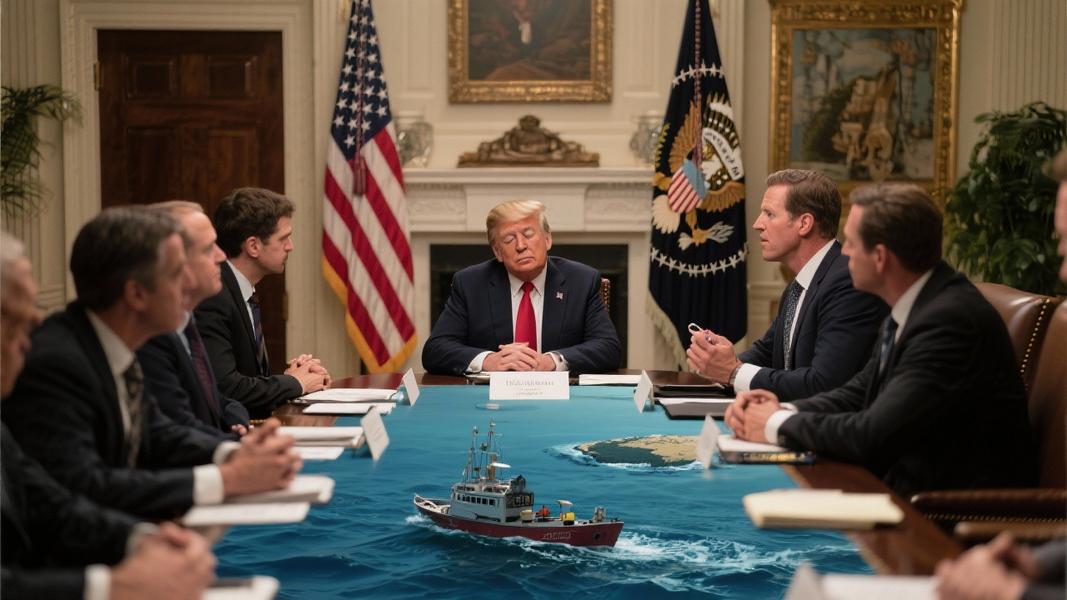
What’s driving this aggressive approach? During a December 2nd Cabinet meeting, Hegseth touted the campaign’s effectiveness, claiming sea-based drug trafficking has plummeted 91% under the new strategy.
“We’ve only just begun striking narco folks and putting narco terrorists at the bottom of the ocean because they’ve been poisoning the American people,” Hegseth declared during the meeting, emphasizing the deterrent effect of lethal force over the arrest-based approaches of previous administrations.
Controversial Legal Territory
The administration’s maritime anti-drug campaign exists in a murky legal space. While officials frame the operations as necessary counterterrorism measures, critics point to both peacetime maritime law and armed conflict regulations that explicitly prohibit attacks on shipwreck survivors.
Legal experts note that even during declared wars, combatants who are shipwrecked and no longer pose a threat are protected from attack under the Geneva Conventions. The Pentagon’s own manuals on armed conflict explicitly forbid such actions.
That hasn’t stopped the administration from celebrating the campaign’s apparent success in reducing drug flows. The question now facing the Pentagon: can they maintain these results while addressing mounting concerns about legal overreach and civilian casualties?
For families of those killed in these operations and legal observers tracking the campaign, Hegseth’s “fog of war” explanation offers little comfort — especially when the fog appears to be obscuring fundamental principles of international law.
