
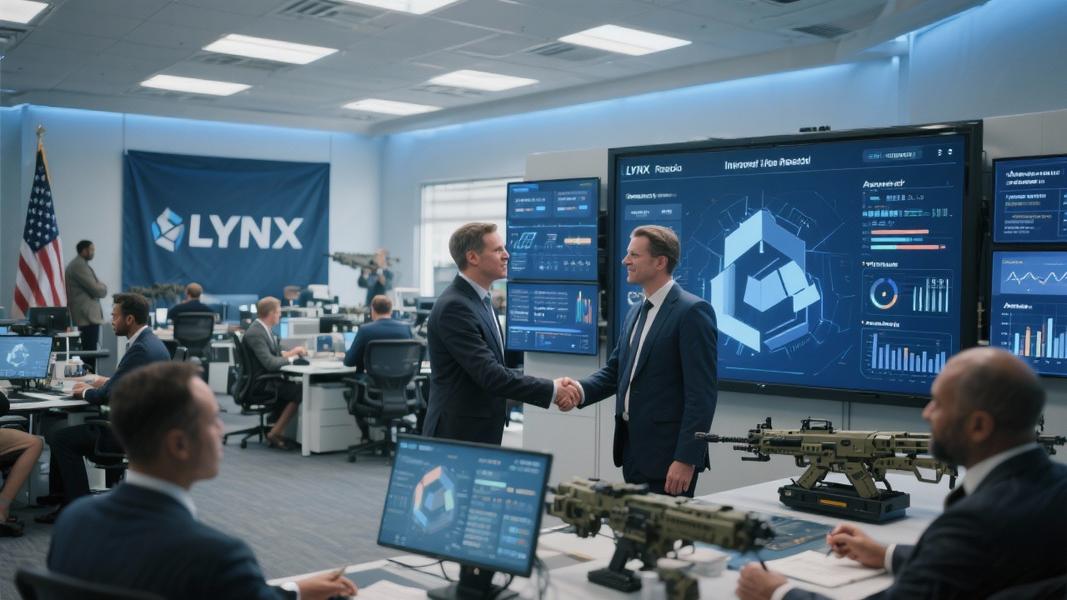
The Department of War has launched a new digital platform aimed at transforming how businesses connect to defense contracts, potentially opening the door to thousands of new suppliers previously intimidated by the complex military procurement process.
LYNX, unveiled on January 30, 2026, represents the Pentagon’s latest attempt to modernize its industrial base at a time when defense officials have increasingly warned about supply chain vulnerabilities. The platform, developed by the Office of Small Business Programs (OSBP), uses artificial intelligence to create customized roadmaps for companies seeking to navigate the often bewildering world of defense contracting.
“LYNX turns readiness into action,” said Assistant Secretary of War for Industrial Base Policy Michael Cadenazzi in a statement released by the department. The platform aims to strengthen supplier readiness while improving visibility into business capabilities across the defense industrial ecosystem.
Breaking Down Barriers
Why now? Defense analysts have long criticized the Pentagon’s procurement processes as overly bureaucratic and inaccessible to all but the largest traditional contractors. LYNX appears designed to address those criticisms head-on.
The platform specifically targets new market entrants, small businesses, non-traditional suppliers, and growing defense contractors that face challenges navigating the complex web of defense requirements and opportunities. Companies can now register at lynxconnect.io, where they’ll create a profile and complete an initial assessment to establish their readiness baseline.
James Mismash, Director of Small Business Programs, emphasized that “LYNX reflects OSBP’s commitment to reducing barriers to entry and expanding participation across the defense industrial base,” according to a Department statement published on the official War.gov website.
AI-Powered Matchmaking
The platform’s most innovative features leverage artificial intelligence and machine learning to create personalized roadmaps for businesses. These technologies power advanced search functions and partner-matching capabilities that could dramatically streamline the process of finding appropriate contracting opportunities.
Beyond simple matchmaking, LYNX provides training resources and supports visibility through company profiles and readiness assessments. This comprehensive approach suggests the Department is taking a more holistic view of industrial base development than previous initiatives.
Small businesses, which have historically struggled to secure defense contracts despite set-aside programs, stand to benefit most from the new system. The platform’s AI-informed guidance could help level a playing field long tilted toward established defense giants with armies of procurement specialists.
Still, questions remain about how effectively a digital platform can address deeply entrenched structural issues in defense procurement. Previous Pentagon efforts to streamline acquisition have produced mixed results at best.
For now, the Department of War is betting that LYNX can succeed where other initiatives have faltered — by combining cutting-edge technology with a user-centered approach that meets businesses where they are, rather than where military bureaucracy expects them to be.
