
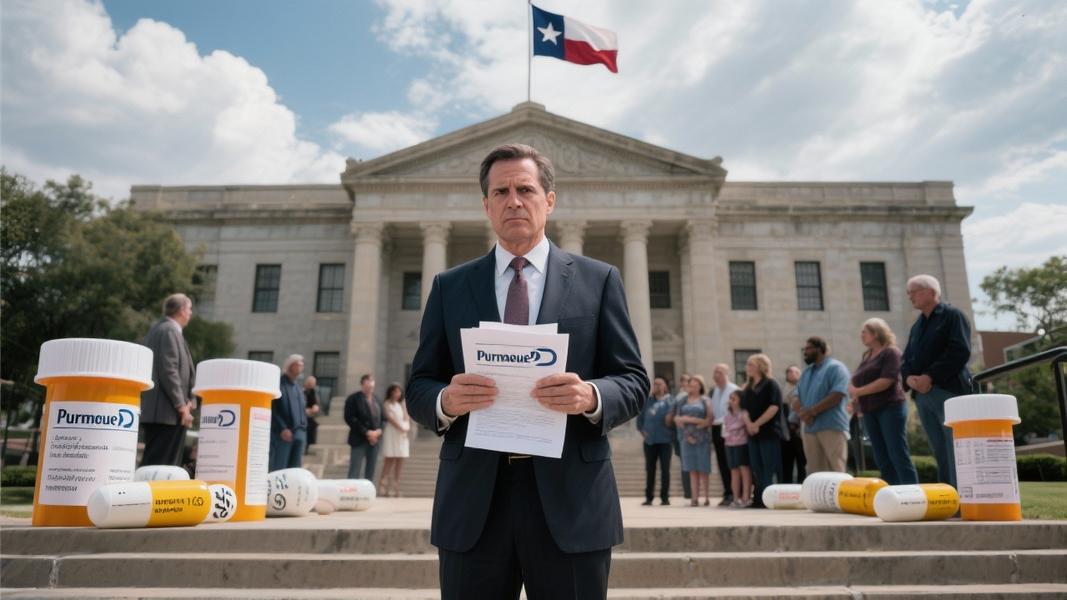
One of America’s most notorious pharmaceutical dynasties has agreed to pay billions to settle claims over its role in fueling the nation’s devastating opioid crisis. Attorney General Ken Paxton announced a $7.4 billion settlement with Purdue Pharma and the Sackler family — the largest settlement to date against the company that created and aggressively marketed the powerful painkiller OxyContin.
“For years, I have aggressively worked to hold Purdue Pharma and other corporations accountable for their roles in creating and exacerbating the deadly opioid crisis that harmed so many Americans,” Paxton said in a statement. “While nothing can restore the damage done, this settlement will provide Texans valuable resources to help prevent more opioid abuse,” he noted.
The landmark agreement comes after years of litigation and follows the Supreme Court’s decision to overturn a previous $6 billion settlement proposal. Under the new terms, the Sackler family will pay up to $6.5 billion, while Purdue will contribute $900 million over 15 years to states, communities, tribes, and other plaintiffs ravaged by opioid addiction and overdoses.
End of an Era
Perhaps most significantly, the settlement marks the end of Purdue Pharma as we know it. The company will dissolve completely, and the Sacklers — once celebrated as philanthropists with their names adorning museum wings and university buildings — will be permanently barred from selling opioids in the United States. Their control over the company they built into an opioid powerhouse will finally come to an end.
How did a single pharmaceutical company become so deeply entangled in America’s deadliest drug crisis? Purdue developed OxyContin in the 1990s and spent decades aggressively promoting the powerful painkiller as largely nonaddictive despite mounting evidence to the contrary. Sales representatives fanned out across the country, encouraging doctors to prescribe the medication for an ever-widening range of conditions while downplaying addiction risks.
The announcement comes from a bipartisan coalition of states led by New York, California, and 13 other states that had been working to secure a larger settlement after previous attempts were rejected by the courts. A bankruptcy judge indicated Friday that he would give final approval to the plan, which represents one of the most significant corporate accountability measures in modern American history.
For victims and their families, the settlement brings a measure of justice, though many argue that no amount of money can compensate for the devastation wrought by the epidemic. The funds will primarily be directed toward addiction treatment, prevention programs, and direct payments to affected communities.
That said, critics have questioned whether the settlement is sufficient given the Sackler family’s estimated multi-billion dollar fortune — much of which was transferred out of Purdue years before the company declared bankruptcy. Others note that the payments will be spread over 15 years, reducing their immediate impact.
The opioid crisis continues to claim thousands of American lives annually, though the primary culprits have shifted from prescription painkillers to illicit fentanyl. As one bankruptcy court document starkly put it, “The drugmaker Purdue Pharma, which along with its owners came to symbolize greedy indifference to surging opioid overdose deaths, will soon cease to exist.”
