
Secretary of War Pete Hegseth is reshaping America’s defense priorities with a flurry of year-end announcements, from personnel promotions to financial incentives for service members. The once-named Department of Defense — officially renamed the Department of War in September — appears to be embracing a more assertive military posture under its new leadership.
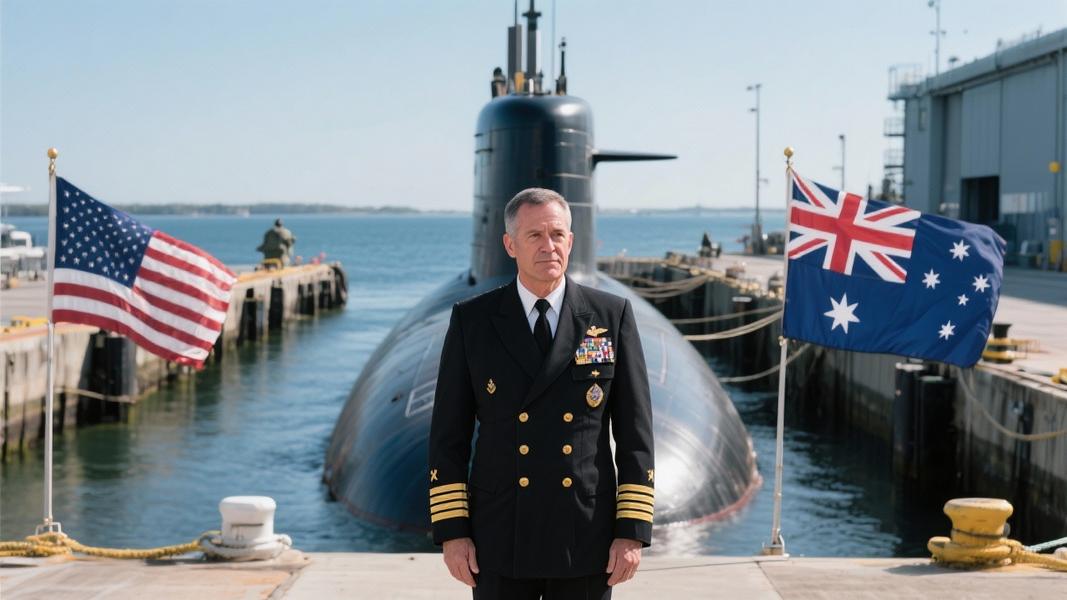
On December 22, Hegseth announced the nomination of Navy Rear Adm. Richard E. Seif, Jr., for promotion to vice admiral. If confirmed, Seif will serve as commander of Naval Submarine Forces, Submarine Force, U.S. Atlantic Fleet, and Allied Submarine Command in Norfolk, Virginia — a critical appointment as submarine forces remain central to America’s naval strategy.
The nomination comes amid a broader push by Hegseth to reinvigorate military culture. Just days earlier, he revealed a one-time “Warrior Dividend” of $1,776 — a figure with obvious patriotic symbolism — to be distributed to approximately 1.45 million active-duty and reserve service members. The payment, notably structured as nontaxable income, represents one of several morale-boosting initiatives launched since Hegseth was sworn in as the 29th Secretary of Defense (now War) in January.
Focus on Lethality and Performance
Since the department’s September rebrand, Hegseth has made no secret of his priorities. He has repeatedly declared lethality as the military’s “calling card” and taken steps to refocus the armed forces on their primary mission: fighting and winning wars.
This shift in tone was evident during Hegseth’s keynote at the Reagan National Defense Forum earlier this month. Roger Zakheim, director of the Ronald Reagan Institute, noted the alignment with Reagan-era philosophy: “President Reagan believed that peace is best preserved when America is strong, confident, and unapologetic about its leadership in the world.”
What’s driving this apparent return to Cold War-style messaging? The Secretary’s remarks at the forum outlined a National Defense Strategy focused on Indo-Pacific balance of power and enhancing the defense industrial base — suggesting concerns about China’s growing military capabilities remain front and center.
Financial Incentives for Military and Civilian Personnel
The Warrior Dividend isn’t the only financial initiative Hegseth has unveiled in December. Civilian employees at the Department of War stand to benefit from a December 15 memo directing bonuses of up to $25,000 for high performers, to be distributed by January 30, 2026.
“The uncertainty and adversity inherent in all periods of change can test even the most elite workforce,” Hegseth wrote in the memo. “The resilience our civilian teammates have demonstrated throughout this challenging time is an inspiration and deserves to be recognized.”
The Secretary has also turned his attention to recruitment challenges. On December 18, he honored top military recruiters at the Pentagon’s Recruiting Excellence Forum. “Our job is to create an environment to make you more successful as sailors, as warfighters,” he told the assembled recruiters. “If we’re making your job easier and making you more effective, then we’re doing our job correctly.”
These financial incentives come after years of recruitment shortfalls across multiple service branches — a problem that predates Hegseth’s tenure but has become increasingly urgent as geopolitical tensions rise.
For now, the rebranded Department of War appears intent on revitalizing both its image and capabilities. But the real test of Hegseth’s leadership may be whether these symbolic changes and financial incentives translate into the military readiness and technological advancement necessary to address 21st-century security challenges.
