
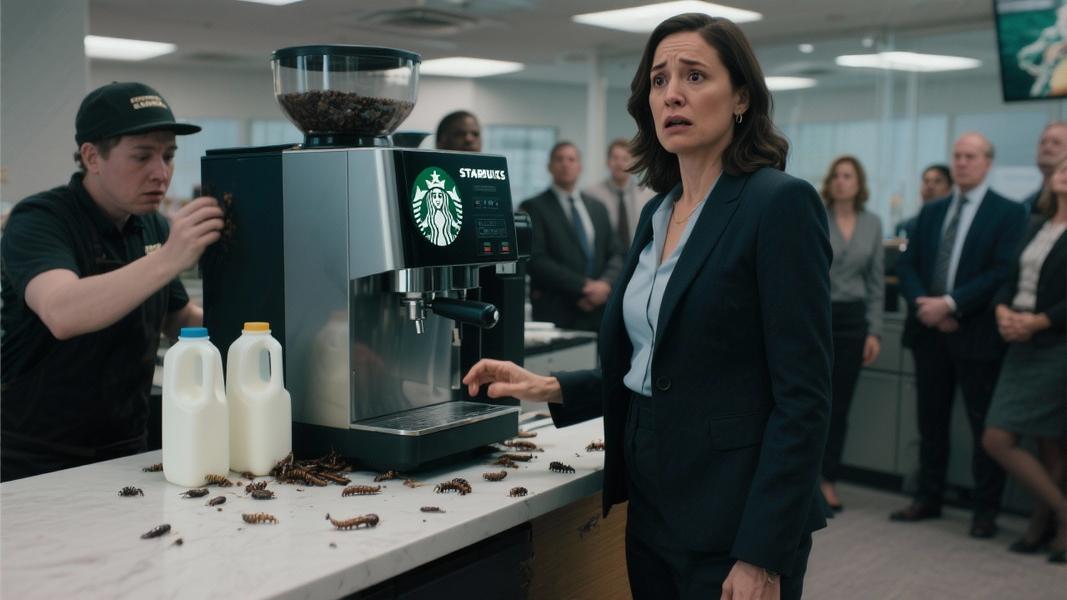
Maggots dropping into milk during a corporate demonstration. A prototype drink machine catching fire in a test lab. These aren’t the ingredients customers expect in their morning latte, but according to a bombshell lawsuit, they’re exactly what a former Starbucks executive discovered before being shown the door.
Janice Waszak, a former Starbucks vice president, has filed a lawsuit against the coffee giant claiming she was wrongfully terminated after raising serious safety concerns about the company’s much-hyped automated drink-making system called “Siren.” The lawsuit, filed in December 2023, details disturbing allegations about the technology that Starbucks had proudly announced to investors as a productivity breakthrough.
Bugs in the System—Literally
According to court documents, Waszak witnessed maggots falling from the milk dispenser during an October 2022 demonstration of the Siren system. In a scene that would make any coffee lover recoil, baristas allegedly flicked the insects away as they continued the presentation. The lawsuit also describes a September 2023 incident where faulty wiring in the machine caused a fire in a testing environment—just months before Waszak’s termination.
Starbucks has firmly denied these allegations. “Safety is a top priority for Starbucks, and these claims are entirely without merit,” a company spokesperson stated in response to the lawsuit.
But the issues allegedly went beyond insects and fire hazards. Waszak’s complaint details design flaws that made the Siren system exceptionally difficult to clean—a critical concern for equipment handling food products. Despite the company promoting the automated system to shareholders as a way to boost efficiency, Waszak claims the prototype had fundamental defects that created serious health and safety risks.
A Matter of Gender Discrimination?
The case takes another troubling turn. Waszak alleges her firing wasn’t just about silencing concerns over the Siren system, but also reflects gender discrimination within the company. The lawsuit claims she was terminated for “interpersonal behaviors” that male employees regularly displayed without consequence.
What happened after she spotted these problems? Court documents indicate Waszak reported her concerns to VP Natarajan Venkatakrishnan and filed an internal ethics complaint before her termination—actions that would typically be protected under whistleblower provisions in many states.
The coffee industry has increasingly turned to automation to address labor challenges and boost consistency. Could this case represent the messy reality behind sleek corporate presentations about technological innovation?
The legal battle is now brewing in King County Superior Court under case number 26-2-03555-5, formally titled Janice Waszak v. Starbucks Corp. While the company maintains there’s no merit to the claims, the allegations provide a rare glimpse into the potential tensions between corporate efficiency goals and product safety concerns raised by insiders.
For customers grabbing their morning coffee, the case raises uncomfortable questions about what might be happening behind the scenes as major chains race to implement new technologies—and what happens to those who speak up when they spot potential problems.
