
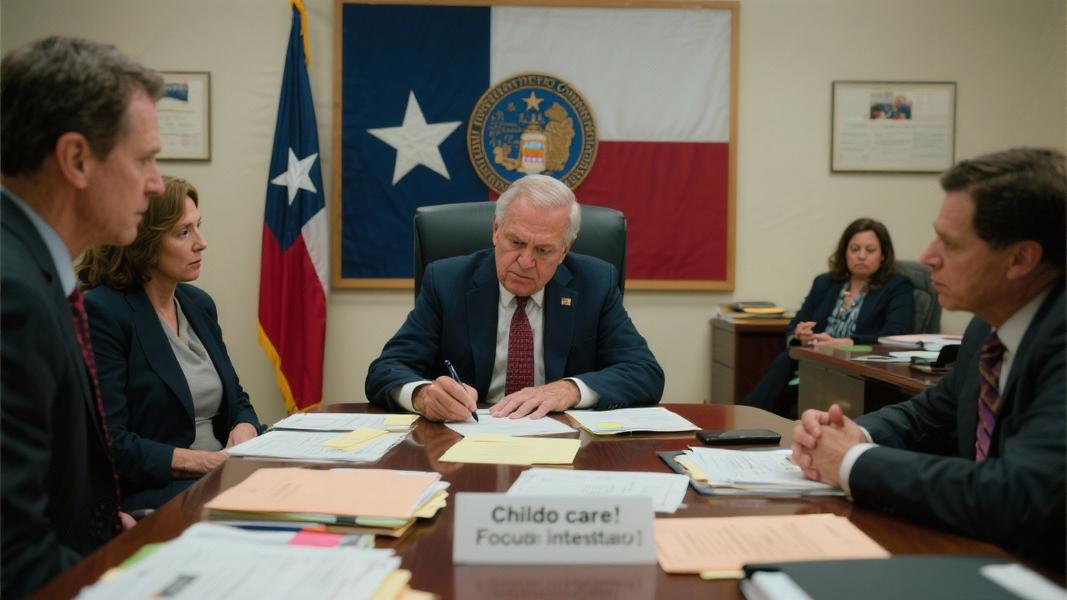
Texas Gov. Greg Abbott has ordered state agencies to investigate possible fraud in the state’s subsidized child care system, a move that comes amid a national crackdown on suspected misuse of federal funds.
The directive, issued to the Texas Workforce Commission (TWC) and Health and Human Services Commission (HHSC), calls for immediate implementation of anti-fraud measures to protect taxpayer dollars in the state’s Child Care Services Program.
Following Federal Freeze
Abbott’s action follows the Trump administration’s decision to freeze child care funding to all states until they provide enhanced verification and administrative data. The federal pause has sent states scrambling to ensure their systems comply with tightened oversight requirements.
“Recently, the Trump Administration and independent journalists have uncovered potential systematic fraud in subsidized child care systems in states like Minnesota,” Abbott stated in his directive. “Such fraud will never be tolerated in Texas. Today, I directed Texas state agencies to take proactive steps to prevent, detect, and eliminate misuse of taxpayer funds to protect the integrity of Texas’ Child Care Services Program.”
The governor’s order comes at a time when Texas is already implementing significant changes to its education funding landscape. Earlier this year, Abbott signed legislation creating the state’s first Education Savings Account program, known as Texas Education Freedom Accounts (TEFA).
Why now? The timing suggests a broader push by Abbott to assert tighter control over various education and child-related funding streams flowing into Texas, particularly as federal scrutiny intensifies.
Preventive Measures
The fraud prevention initiative appears to be preemptive rather than reactive. There’s been no public indication of widespread fraud in Texas’ child care system specifically, but the governor’s office pointed to problems in other states as justification for heightened vigilance.
Child care advocates worry the additional verification requirements could create barriers for legitimate program participants. Low-income families who depend on subsidized child care to maintain employment could face delays or interruptions in service if new verification systems become overly burdensome.
The federal funding freeze has created uncertainty for state administrators across the country. Texas receives millions in federal dollars annually to support its child care assistance programs, which serve thousands of working families.
Abbott’s directive specifically instructs the TWC and HHSC to “implement enhanced verification procedures” and “conduct a comprehensive review of existing anti-fraud measures” — bureaucratic language that could translate to significant operational changes for both agencies.
The governor’s focus on preventing Minnesota-style fraud reflects growing national concern about oversight of social service programs. But it remains to be seen whether Texas’ proactive approach will uncover actual problems or simply add administrative hurdles to an already complex system.
