
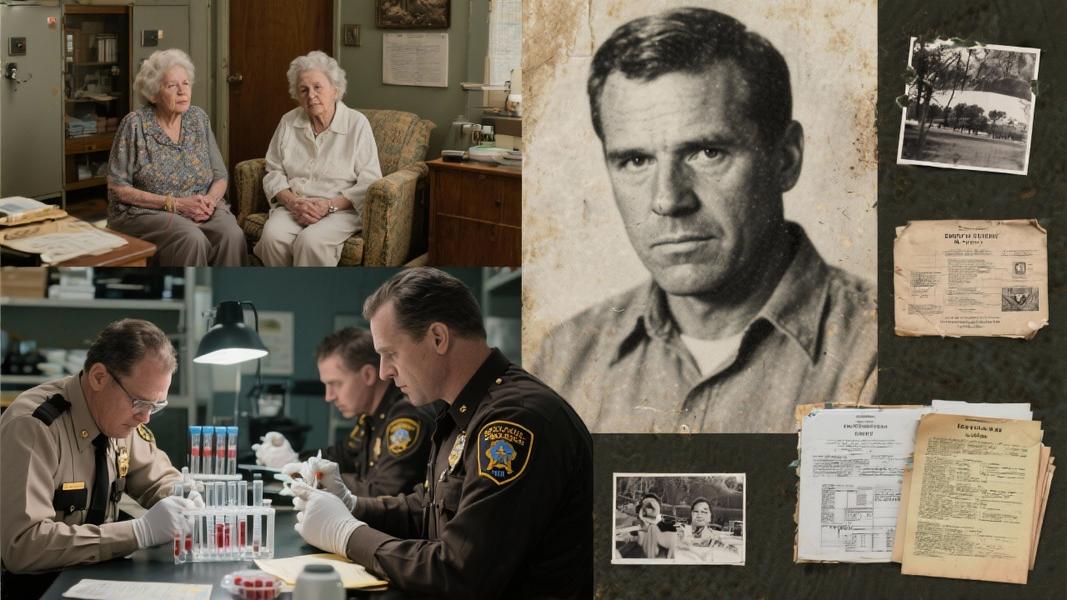
After nearly three decades, a chilling series of sexual assaults targeting elderly women in Bastrop County has finally been solved, bringing closure to a community long haunted by an unknown predator.
Texas authorities announced they’ve identified Emory Earl McVay as the man responsible for multiple rapes of elderly women between 1997 and 2005. McVay, now deceased, was linked to the crimes through persistent investigative work that spanned decades — a cold case investigation that refused to die even as years passed with no arrests.
A Community’s Long Wait for Answers
The breakthrough comes as a relief to Bastrop County, where residents have lived with the unsettling knowledge that a serial rapist who targeted vulnerable elderly victims had never been caught. Investigators from multiple agencies, including the Texas Rangers, maintained their commitment to solving cases that had gone cold but were never forgotten.
“Cases like this highlight the importance of collaborative investigative work between the Texas Rangers and our partner law enforcement agencies to keep unsolved cases alive, ultimately bringing closure to victims’ families and the community,” officials said in a statement from the Texas Department of Public Safety.
What makes this resolution particularly bittersweet is that McVay died before he could face justice in a courtroom. Still, for victims and their families, putting a name and face to their attacker represents a crucial step toward healing.
Persistence Pays Off
The identification of McVay demonstrates how modern investigative techniques can breathe new life into decades-old cases. Law enforcement didn’t provide specific details about what forensic breakthroughs led to McVay, but similar cold cases have often been solved through advances in DNA technology and database matching.
The Texas Department of Public Safety, which oversees the Texas Rangers and provides various public safety services throughout the state, has increasingly emphasized cold case resolution as part of its broader mission. This comes alongside other initiatives like the agency’s recent “90 Days of Safety” campaign.
For investigators who spent years pursuing leads that often led nowhere, the identification represents a rare victory in the difficult world of cold case investigation — where patience and persistence are as important as forensic science.
The Larger Impact
Beyond bringing closure to this specific case, the identification of McVay sends a powerful message about the commitment of law enforcement to pursue justice regardless of how much time has passed. For other communities with unsolved cases, it offers a glimmer of hope.
The victims, now elderly women who have carried their trauma for decades, may find some solace in knowing their attacker has been identified, even if traditional justice through the courts is no longer possible.
As Bastrop County processes this news, the case stands as a testament to what can happen when investigators refuse to let the trail grow completely cold — even when it takes nearly 30 years to find the truth.
