
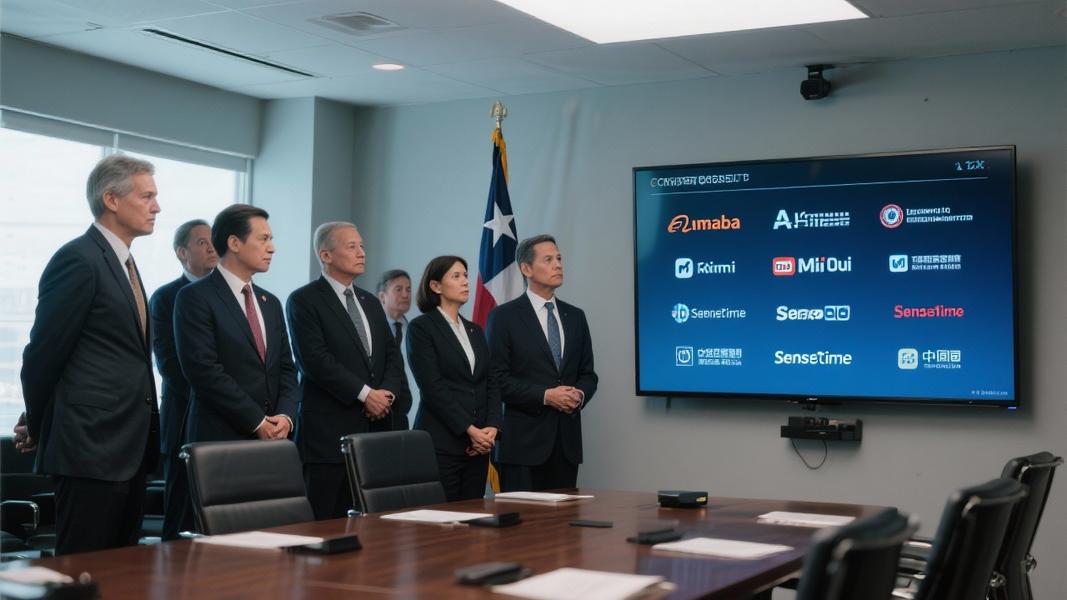
Texas Gov. Greg Abbott has dramatically expanded the state’s list of prohibited Chinese technologies, adding dozens of companies in a sweeping cybersecurity crackdown that now targets hardware, AI systems, and popular consumer apps.
The updated restrictions, announced on January 26, 2026, ban state agencies from using products made by 27 additional Chinese firms — including tech giants Alibaba, Baidu, and Xiaomi — deemed threats to Texas’ digital infrastructure.
Cyber Command Takes Lead
“Rogue actors across the globe who wish harm on Texans should not be allowed to infiltrate our state’s network and devices,” Abbott said in his executive order, which comes amid escalating concerns about Chinese surveillance and data collection.
The governor has tasked the recently formed Texas Cyber Command (TXCC) with identifying threatening technologies. In a letter to state security officials, Abbott named the agency as the tip of the spear in Texas’ cybersecurity efforts.
TXCC Chief Vice Admiral TJ White, who consulted on the expanded ban list, emphasized the agency’s mission: “The Governor and the Legislature gave a clear mission for the Texas Cyber Command – protect Texans from hostile foreign nations and cyber threat actors.”
What’s behind this dramatic expansion? The move represents a significant escalation in Texas’ approach to Chinese technology, which began more modestly in 2022 with a TikTok ban on government devices over concerns about Chinese Communist Party surveillance.
From Social Media to Hardware
The newly prohibited companies span multiple sectors. AI firms like SenseTime, Megvii, and Zhipu (Z.ai) join hardware manufacturers such as TP-Link, Hisense, and TCL on the blacklist. Even popular e-commerce platforms Temu and Shein are now forbidden on state networks.
This isn’t Texas’ first move against Chinese tech. Last year, on January 31, 2025, Abbott issued an executive order banning AI and social media applications affiliated with the People’s Republic of China from government-issued devices. The University of Texas began enforcing similar prohibitions in February 2025.
But the latest restrictions represent a more comprehensive approach, targeting physical hardware and cutting-edge AI systems that state cybersecurity officials believe could compromise sensitive information.
Building a Cyber Fortress
The Texas Cyber Command, established by Abbott in June 2025, has quickly become the largest state-based cybersecurity department in America. Its creation signals Texas’ determination to handle cybersecurity threats independently of federal agencies.
Critics might question whether these bans will meaningfully improve security or simply complicate procurement for state agencies. The restrictions could potentially affect everything from office equipment to research partnerships at state universities.
Still, the move aligns with growing bipartisan concerns about Chinese technology. Several federal agencies and other states have implemented similar restrictions in recent years, though Texas’ list is now among the most extensive.
As digital and physical infrastructure increasingly merge through smart technologies, the battle lines in cybersecurity continue to blur. For Texas officials, the message is clear: when it comes to Chinese technology, better safe than sorry.
