
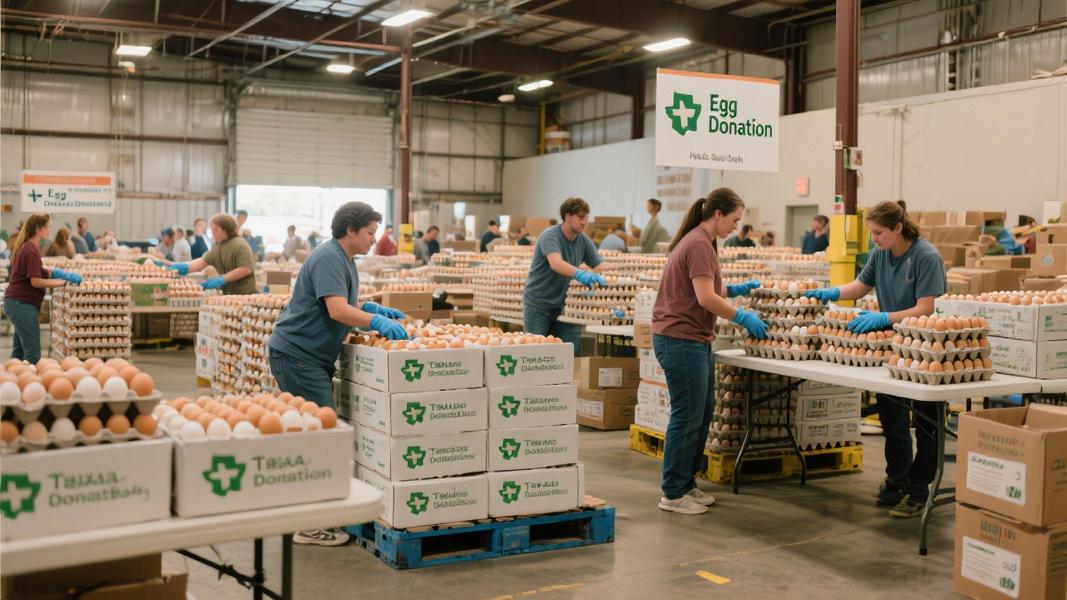
Texas food banks will soon receive over 2 million eggs following the settlement of a price-gouging lawsuit against one of the state’s largest egg suppliers, Cal-Maine Foods. The agreement, finalized on January 15, 2026, comes nearly six years after allegations that the company dramatically hiked prices during the COVID-19 pandemic.
The settlement requires Cal-Maine to distribute 180,000 dozen large eggs to various Texas food banks within the next 120 days, with the largest portions going to facilities in North Texas and Houston — each receiving at least 30,000 dozen, according to details revealed in court documents.
Pandemic Price Hikes Prompted Legal Action
Texas Attorney General Ken Paxton’s office initially filed the lawsuit in 2020, accusing Cal-Maine of exploiting the pandemic emergency. “The company illegally raised prices by approximately 300 percent during the early stages of COVID-19,” Paxton claimed, despite facing no significant supply chain disruptions that would justify such increases.
The timing couldn’t be better for Texas food banks, which continue to face high demand in the post-pandemic economy. North Texas Food Bank, one of the largest beneficiaries of the settlement, has reported that eggs remain one of the most requested items due to their high protein content and versatility.
Beyond the immediate food donation, what might be more significant is the reform component of the agreement. Cal-Maine is now prohibited from selling eggs at prices that violate the Texas Deceptive Trade Practices Act during designated disaster periods — a provision aimed at preventing future instances of price gouging during emergencies.
Justice Served?
Attorney General Paxton characterized the settlement as a victory for consumers. “This agreement represents an important step toward securing justice against Cal-Maine’s unethical actions during a time when Texans were already struggling,” he stated in a press release announcing the settlement.
Cal-Maine, meanwhile, has not admitted wrongdoing as part of the agreement. The Mississippi-based company maintains that price increases reflected market conditions at the time, though they’ve agreed to the settlement terms to avoid protracted litigation.
The first deliveries of eggs are expected to begin arriving at food banks next month. For families still recovering from economic hardships, these 2 million eggs represent more than just breakfast — they’re a reminder that even years after the pandemic’s darkest days, its economic aftershocks continue to reverberate through courtrooms and communities alike.
