
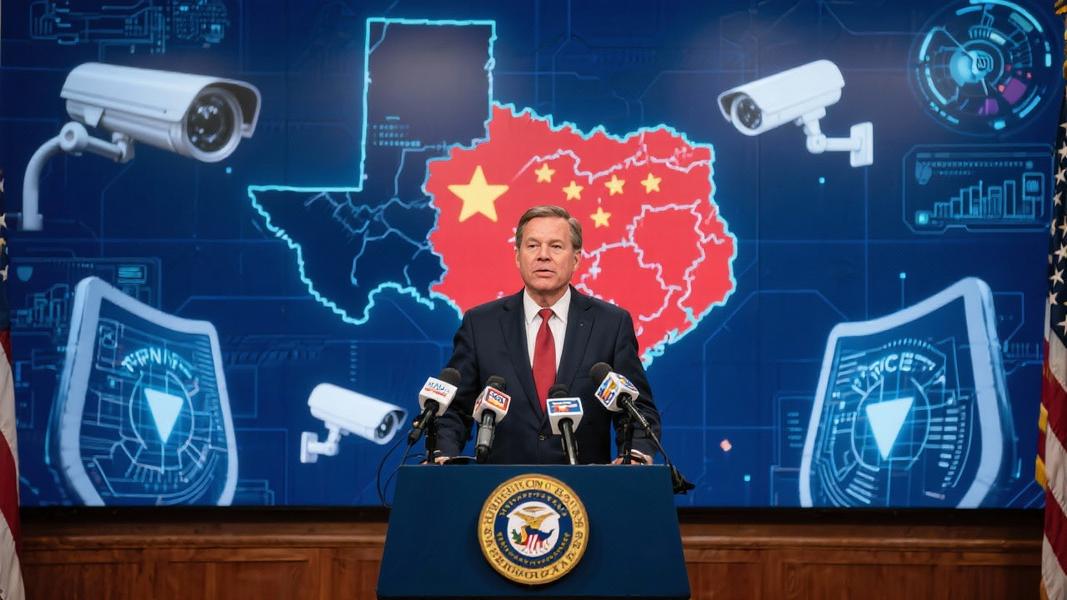
Texas Attorney General Ken Paxton has launched an investigation into Lorex Technology, a popular security camera company, over concerns that its products might have hidden ties to the Chinese Communist Party (CCP) — potentially turning Americans’ home security systems into a national security risk.
The probe, announced this week, focuses on whether Lorex has been deceptively marketing its cameras as secure and safe for residential use while concealing connections to Dahua, a Chinese company designated as a “Chinese military company” by the U.S. Department of Defense.
“Texans should never have to worry that the devices protecting their homes could be tied to foreign adversaries,” Paxton stated. “Any company that gives the CCP a foothold in American life will face the full force of Texas law.”
A Tangled Corporate History
Lorex, founded in 1991, has a complicated ownership lineage. The company was acquired by Dahua in 2012, then later sold to Taiwan-based Skywatch in 2022. But here’s the catch: despite the ownership change, Dahua reportedly continues to supply critical camera components for Lorex products.
That relationship has raised serious red flags among security experts. Dahua has been flagged by multiple federal agencies, including the U.S. Department of Commerce and Federal Communications Commission, for potential hacking, surveillance, and espionage risks.
In response to the investigation, Lorex confirmed its awareness of the probe, saying, “We fully intend to contest the allegations made by the Attorney General, and we are confident that a fair hearing will determine that Lorex has taken the appropriate steps to safeguard customer privacy.”
Still On Store Shelves
What’s particularly concerning to investigators is that despite these serious national security questions, Lorex cameras remain widely available throughout Texas and nationwide. The products continue to be sold at major retailers including Amazon, Costco, and Best Buy — often marketed specifically for sensitive locations like children’s bedrooms.
Texas isn’t alone in its concerns. Nebraska Attorney General Mike Hilgers has already taken a more aggressive approach, filing a 39-page lawsuit against Lorex. The Nebraska complaint alleges the company misled consumers by promoting its cameras as “private by design” while concealing its reliance on Dahua technology.
Should consumers be worried about the cameras currently installed in their homes?
The Texas Attorney General’s office hasn’t issued specific guidance for homeowners, but the investigation underscores growing concerns about foreign technology embedded in everyday devices that capture sensitive data inside American homes.
National Security Implications
The Lorex investigation highlights a broader pattern of scrutiny toward Chinese technology companies operating in sensitive sectors. Federal agencies have increasingly restricted companies with ties to the Chinese government from participating in critical infrastructure and security systems.
Paxton’s office indicates that the investigation will examine whether Lorex knew about these national security and privacy risks while continuing to market their products as secure options for Texas consumers.
That’s particularly troubling given that security cameras, by their very nature, are designed to monitor private spaces and often connect to home networks that contain personal information.
As the investigation unfolds, the bigger question remains: How many other seemingly innocuous household devices might be quietly compromising Americans’ security from within their own homes?
