
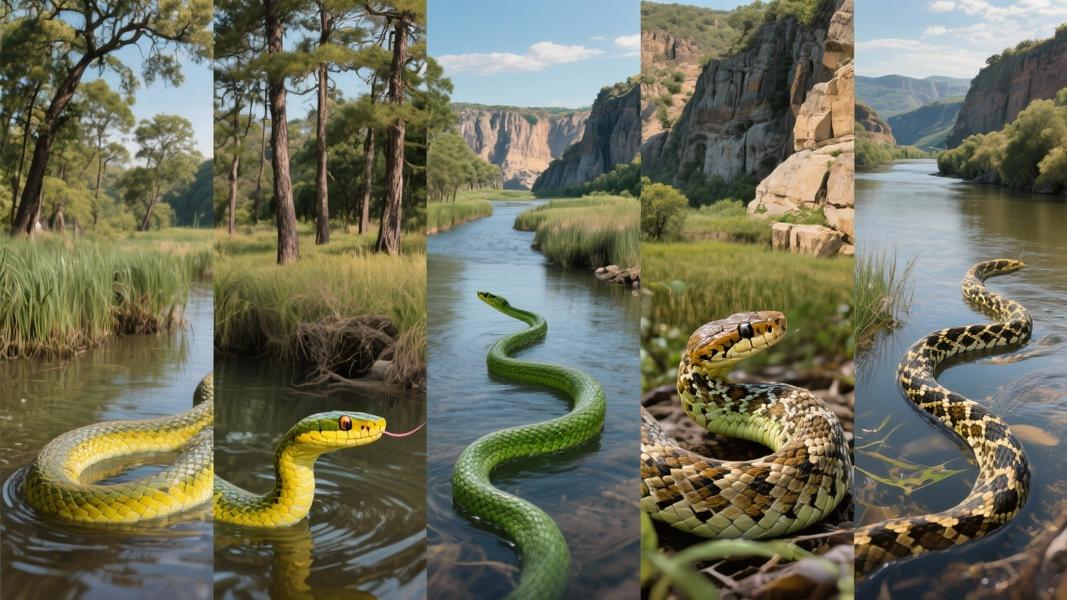
Texas waters are teeming with serpentine residents, with the Lone Star State’s rivers serving as crucial habitat for dozens of native snake species — some harmless, others potentially deadly.
With more than 105 native snake species calling Texas home, including 15 venomous varieties, the state’s major waterways each support distinct snake populations that have adapted to specific environmental niches, according to wildlife experts. These aquatic and semi-aquatic reptiles play vital ecological roles, though their fearsome reputation often overshadows their importance in local ecosystems.
Take the Brazos River, for instance. It’s the exclusive domain of the Brazos water snake, a species found nowhere else on Earth. These specialized reptiles have evolved alongside the river’s unique characteristics, with juveniles seeking shelter beneath flat rocks along unshaded banks while adults prefer faster-moving stretches, occasionally venturing into ponds and lakes to hunt, wildlife officials have documented.
River Residents: Texas’ Waterway Serpents
The Trinity River, stretching 423 miles across Texas, hosts the yellow-bellied water snake, a subspecies notable for its wandering tendencies. Unlike many water snakes that rarely stray from their aquatic homes, these adaptable reptiles frequently journey through forests, grasslands, and even scrublands, while also inhabiting the river’s marshes and swamps, researchers have found.
Head east to the lower Sabine River, and you’ll encounter the Mississippi green water snake. This species has developed a remarkable tolerance for brackish water but generally prefers the freshwater backwaters and wetlands near the main river channel, environmental studies reveal.
Not all of Texas’ river snakes are harmless, however. The wooded bottomlands of the Neches River provide ideal habitat for the timber rattlesnake, the state’s second-largest venomous snake. These imposing reptiles typically reach about 40 inches in length and may weigh up to two pounds, using fallen logs, stumps and forest debris for cover as they hunt for prey, according to wildlife experts.
The scenic Guadalupe River, which rises in Kerr County and flows 230 miles through limestone bluffs and waterfalls before entering San Antonio Bay, harbors one of Texas’ most notorious reptiles: the water moccasin, also known as the cottonmouth. This venomous pit viper, found across the eastern half of the state, has a distinctive defensive display, showing the white interior of its mouth when threatened — a warning sign that outdoor enthusiasts are advised to heed, conservationists caution.
What about the mighty Colorado River? Flowing more than 800 miles through Austin to Matagorda Bay, it’s home to several non-venomous water snake species, including the diamondback water snake and the blotched water snake. Both species prefer slow-moving water and vegetated or overhanging banks where they can bask and hunt for fish and amphibians, biologists have observed.
Misunderstood River Dragons
The diamondback water snake, despite its intimidating appearance, represents a classic case of mistaken identity. It’s one of the most common water snakes in its range, typically found near slow-moving bodies of water. “With its fierce appearance but shy demeanor, this misunderstood river dragon plays a critical role in our local ecosystems, keeping populations of fish, amphibians, and even invasive species in check,” according to the San Antonio River Authority’s conservation blog.
How dangerous are Texas’ venomous snakes, really? While the thought of encountering a venomous snake might send shivers down many spines, the statistics tell a reassuring story. Of the roughly 7,000 venomous snakebites reported in the United States annually, only about 0.2% (1 out of 500) result in death. In Texas specifically, venomous snakebites cause an average of just 1 to 2 deaths per year, state wildlife officials have reported.
Still, caution is warranted. The U.S. Army Corps of Engineers and Texas Parks and Wildlife consistently identify 15 dangerous venomous species or subspecies of snakes in their safety guidance for outdoor recreation, highlighting the importance of awareness when exploring the state’s waterways and surrounding habitats, according to official guidelines.
For Texans and visitors alike, the state’s river snakes represent a fascinating aspect of biodiversity — creatures that have evolved alongside these waterways for millennia, carving out specialized niches and serving essential ecological functions, even as they remain among the most misunderstood residents of the Lone Star State’s aquatic ecosystems.
