
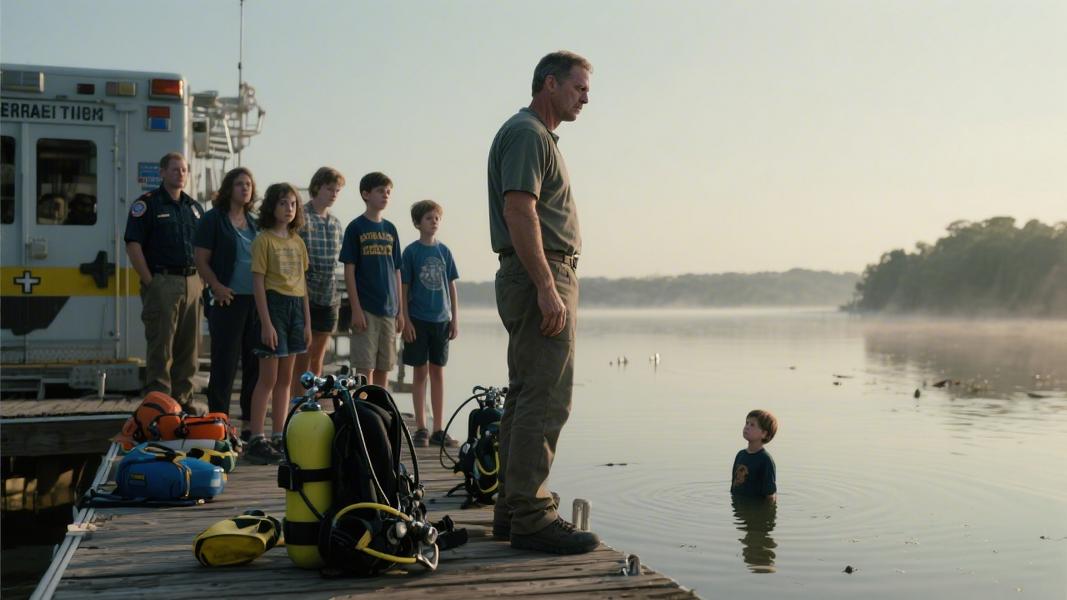
A 12-year-old girl’s dream of becoming a certified scuba diver turned tragic last summer when she drowned during a certification class at a Texas lake, and now, her instructor faces criminal charges amid allegations of negligence and contradictory statements about what happened that day.
William Armstrong, a scuba instructor who was supervising Dylan Harrison during the fatal dive on August 16, 2025, was arrested Friday and charged with injury to a child. He was released after posting a $150,000 bond, according to court records.
The arrest comes after months of investigation into what went wrong during the certification class at a North Texas lake where Harrison disappeared during descent and was later found unresponsive at approximately 45 feet underwater. She was discovered more than 30 minutes after going missing, investigators have determined.
Contradictory Accounts
What makes this case particularly troubling are the discrepancies between Armstrong’s account and evidence gathered by first responders. According to an affidavit, when Able Springs Fire Rescue arrived at the scene, Armstrong was standing on the dock with no gear on — directly contradicting his claim that he had remained in the water searching for the missing girl. This detail has raised serious questions about his actions in the critical moments after Harrison went missing.
The dive class included eight students under the supervision of Armstrong and divemaster Jonathan Roussel. Court documents indicate that Harrison was not weighted properly for the dive, a critical safety measure that helps divers maintain appropriate buoyancy underwater. Additionally, investigators found that Armstrong had allegedly been awake for 29 straight hours prior to supervising the class, potentially affecting his judgment and reaction time during the emergency.
Industry Standards in Question
Could proper adherence to scuba safety protocols have prevented this tragedy? The case has sparked renewed discussion about certification requirements for young divers and the responsibilities of instructors when teaching minors.
While scuba certification is available to children as young as 10 under most training agencies, these programs typically require enhanced supervision and modified training approaches. The ratio of instructors to students, especially with young divers, has come under scrutiny in the wake of Harrison’s death.
“When you’re dealing with children in potentially dangerous environments like open water, there’s simply no room for shortcuts or lapses in judgment,” said a diving safety expert not connected to the case, who requested anonymity because of the ongoing investigation.
Legal Consequences
The charge of injury to a child is a serious felony in Texas, potentially carrying significant prison time if Armstrong is convicted. The case will likely focus on whether Armstrong’s alleged negligence — including his fatigue, the improper weighting of Harrison’s equipment, and his actions after she went missing — constitutes criminal behavior.
Harrison’s family has not publicly commented on the arrest, though sources close to the investigation indicate they have been cooperative throughout the process. Meanwhile, the diving community in North Texas has been shaken by the incident, with several schools implementing additional safety measures for youth certification programs.
As the case moves through the legal system, it serves as a somber reminder that even activities designed to inspire wonder and adventure require unwavering attention to safety — especially when those seeking that adventure are children whose lives depend on the vigilance of their instructors.
