
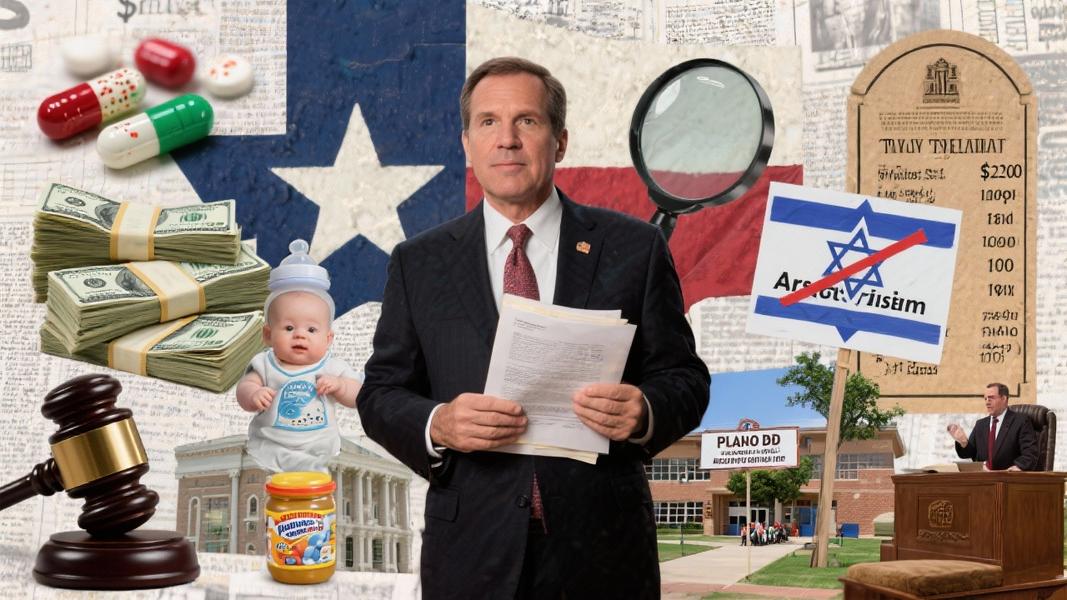
Texas Attorney General Ken Paxton has secured a $720 million settlement from eight pharmaceutical companies for their role in fueling the devastating opioid epidemic that has ravaged communities across the nation, with up to $45.5 million potentially flowing back to Texas and its political subdivisions.
The settlement, which comes after years of litigation, targets manufacturers who produced opioid pills that contributed to a crisis that has claimed countless lives and strained healthcare systems, law enforcement agencies, and social services across the Lone Star State.
Drug Companies Pay Up
“These manufacturers played a role in creating one of the most destructive public health crises our country has ever faced,” Paxton said in a statement. “These settlements are an important step in holding companies accountable for their reckless greed and the part they had in worsening the opioid epidemic, which has devastated our communities and poisoned countless Texans,” he stated.
Who’s paying what? The largest portion comes from Mylan (now Viatris), which will shell out nearly $285 million over nine years. Hikma follows with approximately $96 million, while Amneal will pay about $72 million over a decade. Other manufacturers in the settlement include Apotex ($63.7 million), Indivior ($38 million), Sun ($31 million), Alvogen ($18.7 million), and Zydus ($14.9 million), according to the attorney general’s announcement.
Beyond the financial penalties, the settlement imposes new marketing limits on these manufacturers, potentially curbing aggressive promotion practices that critics say contributed to overprescription and misuse.
A “Massive Win” for Texas Communities
What does this mean for everyday Texans? The settlement funds are earmarked specifically to address the epidemic’s damage, including treatment programs, prevention efforts, and support for families affected by opioid addiction.
“Texas just scored a massive win that could directly impact your neighborhood, your family, and your community’s future,” according to The Texas Insider, which noted that the settlement money “could be the turning point that helps Texas communities recover and rebuild.”
The impact of opioid addiction has been felt deeply across Texas, where families have struggled with addiction, overdoses, and the ripple effects on community safety and economic stability. For years, local governments have shouldered much of the financial burden of addressing the crisis.
“The companies that helped create this crisis are finally being held accountable,” Paxton emphasized. “Now it’s up to Texas communities to use these resources wisely to heal the damage and prevent future tragedies.”
Part of a Broader Reckoning
This settlement adds to a growing list of legal actions against pharmaceutical companies for their roles in the opioid epidemic. Previous settlements with major distributors and manufacturers have already directed billions toward addiction treatment and prevention nationwide.
But will it be enough? While $45.5 million represents significant funding for Texas, critics might question whether this amount adequately addresses the scale of damage caused by years of opioid proliferation.
For the families who’ve lost loved ones to addiction, no settlement can truly compensate for their loss. Still, these funds offer a tangible resource for communities working to prevent similar tragedies in the future.
“Texas families have been paying the price of the opioid epidemic for years. Now the companies responsible are finally paying Texas back,” Paxton remarked, highlighting the settlement’s potential to be a turning point for affected communities.
As the funds begin to flow into state and local coffers, attention will turn to how effectively this money is deployed to combat what remains one of America’s most persistent public health crises.
