
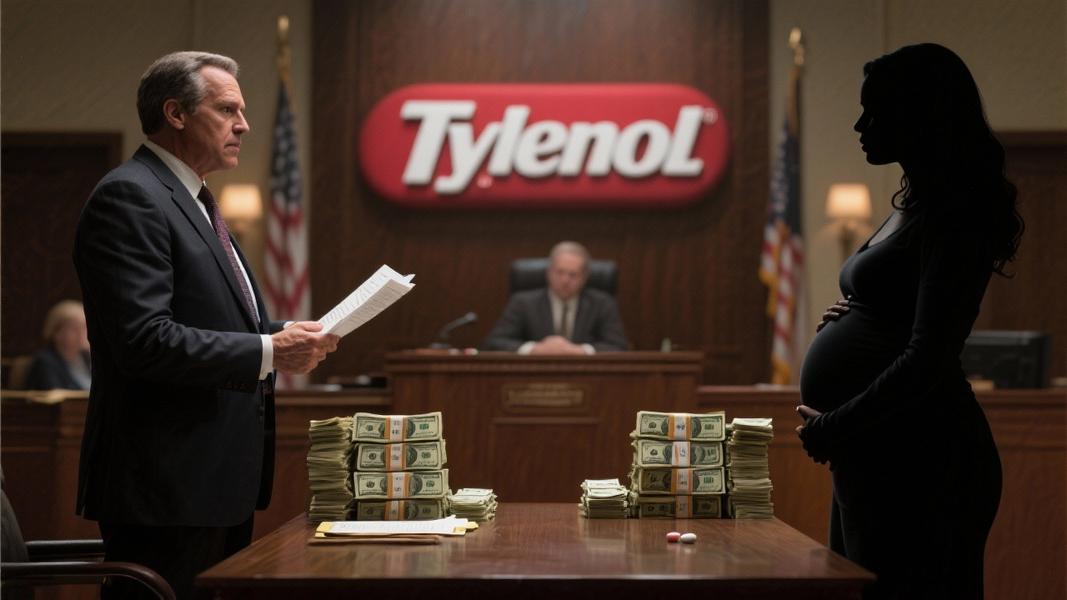
Texas Attorney General Ken Paxton is taking aim at Kenvue, the maker of Tylenol, in a bold move that could reshape how pharmaceutical companies manage their finances during litigation. The state’s top prosecutor has filed a motion to block a $400 million dividend payment to shareholders, arguing the company should preserve those funds to compensate Texans allegedly harmed by the popular pain reliever.
At the heart of the dispute is a scheduled payout to investors set for November 26, 2025 — money that Paxton contends should instead be held for potential damages. “I will not allow Big Pharma to ruin the lives of Texans with their lies and then refuse to pay the bill when it’s brought to account,” Paxton stated in the motion filed last week.
Pregnancy Safety Claims Under Fire
The lawsuit targets both Johnson & Johnson and its spinoff Kenvue over allegations they marketed Tylenol as safe for pregnant women despite evidence suggesting a link between acetaminophen use during pregnancy and increased risk of autism and ADHD in children. Paxton has claimed that “these corporations lied for decades, knowingly endangering millions to line their pockets.”
Kenvue isn’t taking these accusations lying down. The company has defended Tylenol’s safety record, insisting that “acetaminophen is the safest pain reliever option for pregnant women as needed throughout their entire pregnancy.” According to the manufacturer, without this option, expecting mothers face difficult choices: “suffer through conditions like fever that are potentially harmful to both mom and baby or use riskier alternatives.”
Could this case reshape how pharmaceutical companies communicate risks? The implications extend far beyond this single product, potentially affecting how all over-the-counter medications are marketed to vulnerable populations.
Corporate Structure Under Scrutiny
Beyond the immediate dividend payment, Paxton’s motion seeks broader financial restrictions on Kenvue, aiming to prevent any “extraordinary or non-ordinary-course dispositions” of company assets until the case concludes. The Attorney General asserted that “Kenvue very well may be insolvent because of its own reckless actions, and it should no longer pay fraudulent dividends as a way to avoid paying future civil penalties.”
The lawsuit also takes aim at the corporate restructuring that created Kenvue in the first place. Legal documents suggest that Johnson & Johnson’s decision to spin off its consumer health division in 2023 was strategic — “created to shield Johnson & Johnson from liability” for potential Tylenol-related litigation.
This isn’t the first time Johnson & Johnson has faced accusations of using corporate restructuring to minimize liability. The company previously attempted a controversial “Texas Two-Step” bankruptcy maneuver to handle talcum powder lawsuits, though courts ultimately rejected that strategy.
The timing of Paxton’s lawsuit comes against the backdrop of increasing scrutiny of pharmaceutical marketing practices nationwide. His rhetoric about helping to “Make America Healthy Again” suggests potential political dimensions to the case as well.
For now, Kenvue shareholders are left wondering if their expected dividend will materialize next November, while the broader pharmaceutical industry watches closely. If successful, Paxton’s legal theory could provide a template for other states seeking to freeze corporate assets during consumer protection litigation — a prospect that has investors and executives alike reaching for their own headache remedies.
