
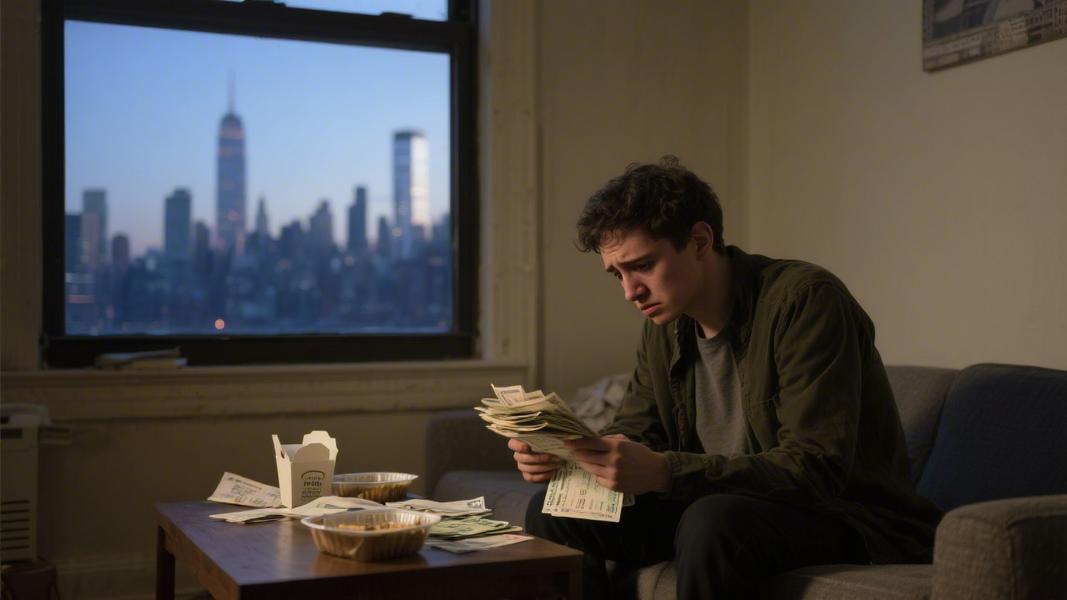
Going solo in today’s rental market comes with a steep price tag — $10,470 per year, to be exact. That’s the “singles tax” Americans pay for the privilege of living alone rather than splitting costs with roommates, according to new research from Zillow.
The real estate marketplace calculated this financial penalty based on typical apartment rent of $1,745 monthly, analyzing data from over 72,000 multifamily listings nationwide. While the burden remains substantial, there’s a silver lining for solo dwellers: the singles tax increased just $146 over the past year, marking the smallest annual jump in five years.
The Rising Cost of Independence
Why such a hefty premium for privacy? It comes down to simple math and housing economics. When two people share a two-bedroom apartment, they each pay significantly less than a single person renting a one-bedroom unit. This disparity creates the effective “tax” on solo living that Zillow has been tracking for years.
The financial burden has grown considerably since earlier analyses. Previous Zillow research had pegged the singles tax at over $7,500 annually, but that figure has climbed steadily alongside the broader rental market. Since 2021, typical U.S. apartment rents have surged by 30%.
Feeling the squeeze? You’re not alone. Nearly 38 million Americans live solo, according to Census data — a substantial portion of the population facing this financial hurdle in exchange for their independence.
Signs of Relief Ahead?
The slowing growth of the singles tax offers a glimmer of hope. The $146 increase from 2025 to 2026 represents the smallest year-over-year jump since Zillow began publishing the metric, suggesting that rental affordability pressures may be easing slightly.
This moderation coincides with broader economic shifts. Rising incomes have helped offset some housing cost increases, improving affordability metrics despite the still-elevated rental prices. That said, the fundamental challenge remains: living alone requires substantially more financial resources than sharing space.
“The decision to live alone versus with roommates often involves weighing financial practicality against personal preference,” housing economist Taylor Marr notes. “For many Americans, that independence comes at a premium that effectively functions as a tax on single living.”
Regional Variations
Not all singles taxes are created equal. The financial penalty for solo living varies dramatically across metropolitan areas, with high-cost coastal markets typically imposing the steepest premiums. Meanwhile, in more affordable midwestern and southern cities, the gap between shared and solo living costs tends to be less severe.
What’s driving these persistent cost differences? The research points to several factors: limited housing supply, particularly for smaller units; growing demand for independent living arrangements; and the fundamental economics of housing construction and maintenance.
For those feeling the pinch of the singles tax, the options remain limited: find a roommate, relocate to a more affordable area, or simply budget for the premium. As one housing advocate put it, “We’re essentially seeing a financial penalty for people who either choose or need to live independently — a cost that isn’t explicitly labeled but is very real in household budgets.”
The $10,470 question now: Will this tax on singlehood continue its slower growth pattern, or will market forces push it even higher in years to come?
