
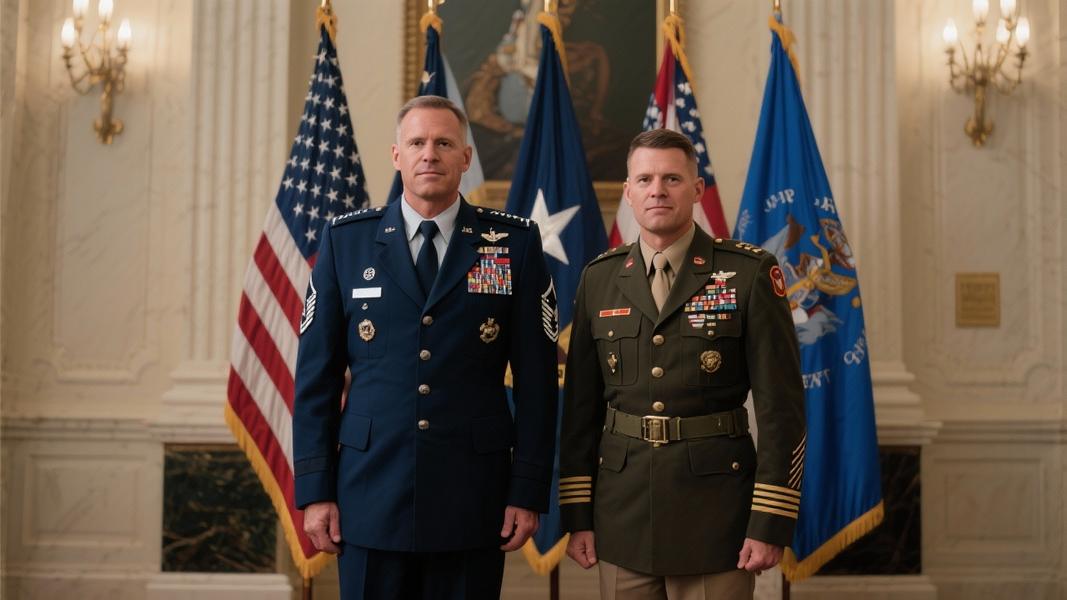
The Defense Threat Reduction Agency (DTRA) stands as one of the military’s less visible but critically important institutions, where both officers and enlisted personnel work to counter weapons of mass destruction threats. Within this specialized agency, the role of senior enlisted advisors has become increasingly pivotal in bridging the gap between leadership and the enlisted ranks.
Senior enlisted advisors serve as the backbone of military unit structure, acting as the most senior enlisted service members who directly represent the needs and concerns of enlisted personnel to commanding officers. As Wikipedia defines it, these individuals hold E-9 billets established from field level all the way up to advising the chairman of the Joint Chiefs of Staff.
Why does this matter at an agency like DTRA? The command senior enlisted leader position at the Defense Threat Reduction Agency represents one of the highest enlisted roles within the organization, carrying significant responsibility and influence. These leaders don’t just relay information – they shape policy, advocate for resources, and ensure enlisted perspectives are integrated into strategic decisions.
“A senior enlisted advisor is the most senior enlisted service member in a uniformed unit who acts as the top advisor and representative of enlisted personnel in the unit to the commanding officer,” according to military organizational documentation.
The agency’s organizational structure includes these command senior enlisted leader positions as part of its leadership framework. But it’s not just enlisted personnel who find DTRA assignments career-enhancing. The agency also maintains deputy director positions at its Fort Belvoir, Virginia headquarters that have served as significant stepping stones for senior military officers moving up the ranks.
As one military biography states, “Prior to his current assignment, he was the deputy director for the Defense Threat Reduction Agency, Fort Belvoir, Virginia.”
What sets DTRA apart from many military organizations? Its unique mission focusing on countering weapons of mass destruction means both its enlisted leaders and officer corps require specialized knowledge and capabilities. The command senior enlisted leader at DTRA must navigate complex technical and policy environments while maintaining the human connection to enlisted personnel.
Though less visible than their counterparts in combat units, these senior enlisted leaders at DTRA play a crucial role in national security, helping to ensure that America’s defenses against nuclear, chemical, biological and other catastrophic threats remain robust and ready.
As threats evolve in complexity, the value of experienced senior enlisted advisors who can translate technical requirements into practical training and preparedness for the enlisted force only grows in importance.
