
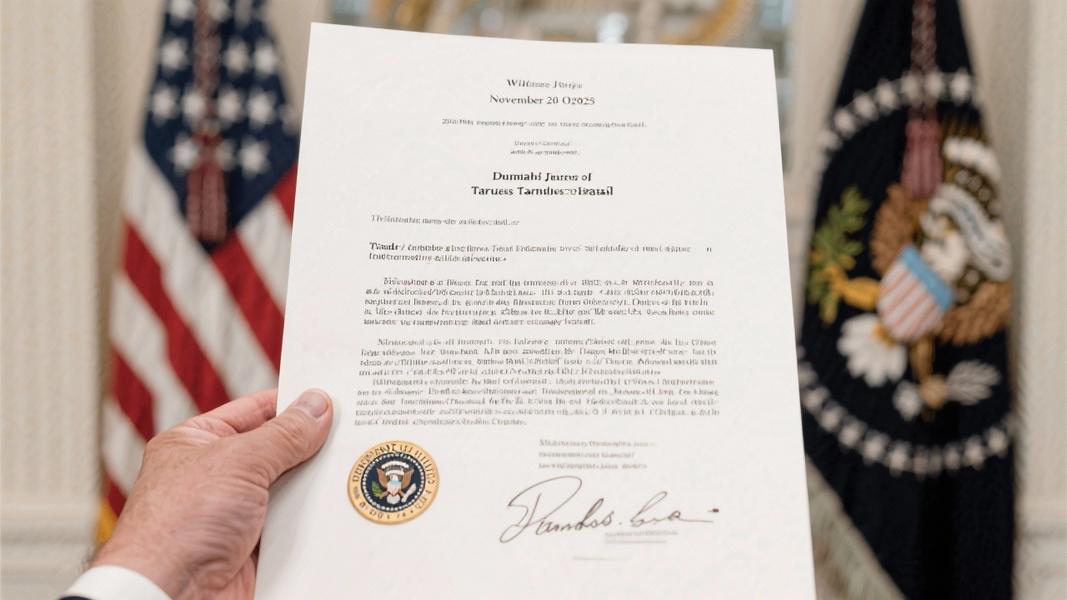
President Trump has partially walked back his aggressive tariff strategy against Brazil, exempting certain agricultural products from the 40% additional duties imposed just four months ago. The move comes after direct talks with Brazilian President Luiz Inácio Lula da Silva in early October.
The modifications, detailed in an Executive Order issued November 20, 2025, exempt specific agricultural imports from the hefty tariffs that had previously covered over a third of Brazilian exports to the United States. The changes took effect on November 13, according to White House documents.
From Confrontation to Negotiation
What prompted this sudden shift? On October 6, Trump engaged in direct discussions with Brazilian President Lula, agreeing to begin negotiations to address concerns that had prompted the original tariffs. “These negotiations are ongoing,” the order states.
The original tariffs, implemented through Executive Order 14323 on July 30, 2025, declared Brazil’s policies an “unusual and extraordinary threat to the national security, foreign policy, and economy of the United States.” When combined with universal tariffs, the measures had effectively slapped a whopping 50% tariff on approximately 35.9% of Brazilian exports to America by value.
Some products were always exempt from these punitive measures. Orange juice, iron ore, Brazil nuts, and aircraft parts had been spared from the start, as noted by industry observers.
Bureaucratic Machinery
The implementation of these tariff modifications involves a small army of government officials. The Executive Order delegates authority to multiple department heads including the Secretaries of State, Treasury, Commerce, and Homeland Security, as well as the U.S. Trade Representative and Presidential Assistants for various policy areas.
“The Secretary of State… is directed to take all necessary actions to implement and effectuate this order,” the document declares, granting broad powers under the International Emergency Economic Powers Act (IEEPA).
Is this an isolated case? Hardly. The Brazil tariff modifications represent just one piece of a much broader trade agenda pursued by the Trump administration in 2025. Similar measures have targeted India, while separate tariffs on medium- and heavy-duty trucks and vehicles went into effect on November 1, according to legal analysis.
Market Implications
For Brazilian agricultural exporters, the partial reprieve comes as welcome news. The updated Annex I attached to the Executive Order specifically carves out exceptions for certain agricultural products that were previously subject to the punitive 40% additional tariff.
The timing suggests a strategic calculation by the administration. By modifying rather than eliminating the tariffs, Trump maintains leverage while potentially easing pressures on U.S. food prices and agricultural supply chains heading into the holiday season.
That said, the majority of the tariff structure remains intact, reflecting the administration’s continued concerns about Brazilian policies and practices deemed threatening to U.S. interests.
For U.S.-Brazil relations, the partial tariff rollback signals a potential thawing — but one that remains highly conditional on the outcome of ongoing negotiations between the two largest economies in the Western Hemisphere.
