
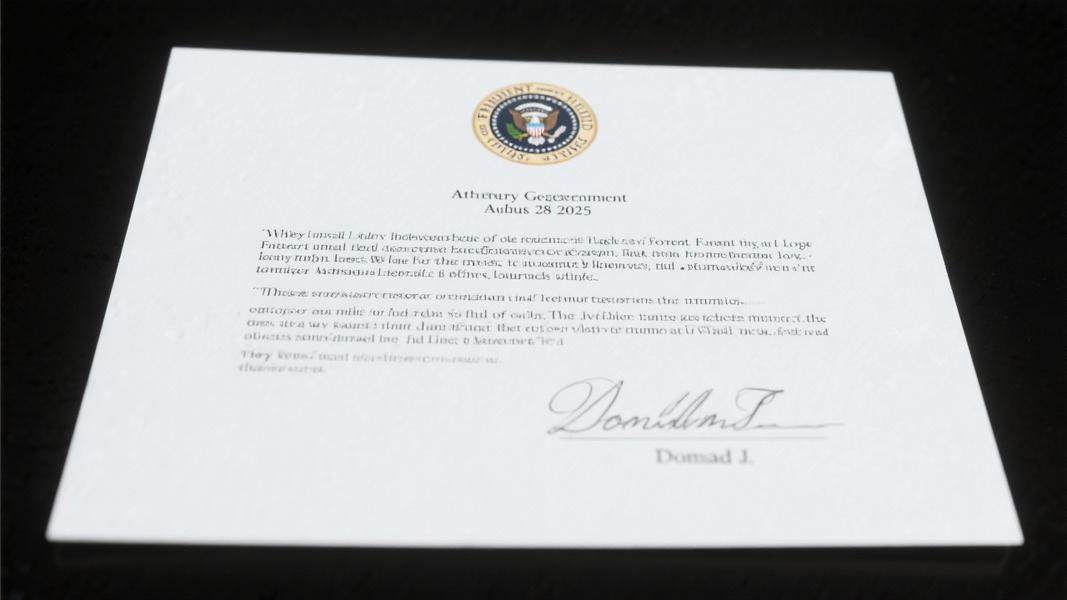
President Trump has officially proclaimed August 31 through September 6, 2025, as Overdose Prevention Week, calling for nationwide awareness about the drug crisis that continues to devastate American communities.
The proclamation, issued from the White House, aims to focus national attention on the epidemic of drug overdoses, particularly those involving prescription opioids and fentanyl. It comes as the nation grapples with staggering statistics: more than 80,000 Americans died from drug overdoses in the past year alone.
A Crisis of “Unimaginable Proportions”
“Children have vanished from classrooms, parents from dinner tables, and entire neighborhoods have been shaken by unconscionable grief and sorrow,” the president stated in the proclamation, highlighting the human toll behind the statistics.
Fentanyl, in particular, has emerged as what Trump describes as a “vicious assault” on the American people. It now stands as the leading cause of death for Americans ages 18 to 45, with overdoses rapidly becoming a primary killer among teenagers as well — something the administration characterizes as “robbing countless innocent victims of their lives, futures, and dreams.”
How did we get here? The current administration points to illegal trafficking across U.S. borders, claiming the crisis “escalated under the previous administration” — a political framing that has become familiar in discussions about the overdose epidemic.
Legislative Action
The proclamation highlights several legislative actions taken by the Trump administration to combat the crisis. In July, Trump signed the HALT Fentanyl Act, which classifies fentanyl-related compounds as Schedule I drugs. The administration has also designated cartels as foreign terrorist organizations.
“With the passage of the historic One Big Beautiful Bill, we are expanding the southern border wall and deporting violent drug traffickers who prey on our Nation’s most vulnerable,” Trump declared, tying border security directly to overdose prevention efforts.
The proclamation calls on Americans to observe the week with “appropriate programs, ceremonies, religious services, and other activities that raise awareness about the prescription opioid and drug overdose epidemic.”
Building on Previous Efforts
While the current administration has focused heavily on border security and enforcement, efforts to combat the overdose crisis span multiple administrations. The Biden-Harris administration previously claimed significant investments in expanding treatment and prevention, including increasing access to life-saving medications like naloxone.
Under that administration, the number of health care providers who could prescribe opioid use disorder medications reportedly increased fifteenfold, with nearly 10 million kits of overdose reversal medications distributed nationwide. More than 250 organizations also made voluntary commitments to the White House Challenge to Save Lives from Overdose.
Still, the overdose crisis continues to evolve. There is some cause for cautious optimism: for the first time in five years, the number of overdose deaths in the United States has reportedly started to decline. But as many public health officials note — even one death is too many.
“During this week, my Administration calls on every American to protect themselves and their families from the perils of drug overdose,” Trump’s proclamation concludes. “Preserving our American inheritance depends on freedom from danger, freedom from harm, and freedom to lead long, safe, and vigorous lives.”
Whether these efforts will be enough to turn the tide on what has become one of America’s most persistent public health crises remains to be seen. But with overdoses still claiming hundreds of lives daily across the country, few would dispute that the stakes couldn’t be higher.
