
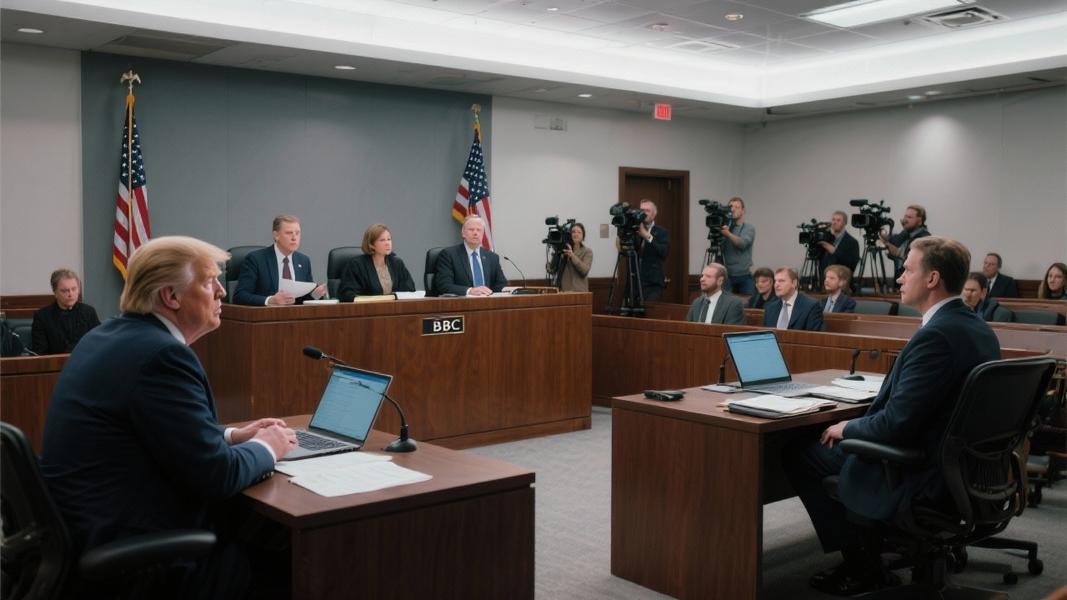
The British Broadcasting Corporation is pushing back against former President Donald Trump’s $10 billion lawsuit, filing a motion to dismiss the case that alleges the media giant defamed him through selective editing of his January 6, 2021 speech in a documentary.
Trump’s legal team filed the massive suit in a Florida federal court, claiming the BBC’s editing of his remarks constituted both defamation and unfair trade practices — with a $5 billion price tag attached to each allegation. The documentary aired shortly before the 2024 presidential election, timing Trump’s team considers politically motivated.
Why Florida? That’s precisely the question at the heart of the BBC’s dismissal request. The UK broadcaster argues that Florida courts lack jurisdiction in the matter since the documentary wasn’t created, produced, or broadcast there — creating a fundamental legal hurdle for Trump’s case to clear before any examination of the actual editing practices can begin.
Jurisdiction Battle
Legal experts note that jurisdictional challenges often serve as the first line of defense in international media cases. The BBC, as a British entity, maintains that proper venue for any such complaints would lie elsewhere — not in a Florida courtroom.
“The question isn’t just about what was edited, but whether Florida is the right place to hear those complaints,” said one media law attorney not affiliated with the case. “International broadcasters typically have strong defenses against being sued in jurisdictions where they don’t have significant operations.”
Trump’s legal team will need to demonstrate sufficient connection to Florida to keep the case alive, a challenge that could prove decisive before any examination of the documentary’s content even begins.
High Stakes Claims
The eye-popping $10 billion figure makes this one of the largest defamation claims in media history. Trump’s lawsuit contends that the BBC documentary presented a misleading version of his January 6 speech by omitting key phrases that would have provided context and altered viewers’ perceptions.
Still, defamation cases involving public figures face steep legal requirements in American courts, requiring proof of “actual malice” — that the publisher knew the information was false or showed reckless disregard for the truth.
The inclusion of unfair trade practices allegations alongside defamation claims represents an unusual legal strategy, potentially designed to open additional avenues for damages should the defamation portion face challenges.
The court has not yet ruled on the BBC’s motion to dismiss. If the case proceeds, it would add to Trump’s growing portfolio of media-focused litigation that has characterized his post-presidential legal strategy.
