
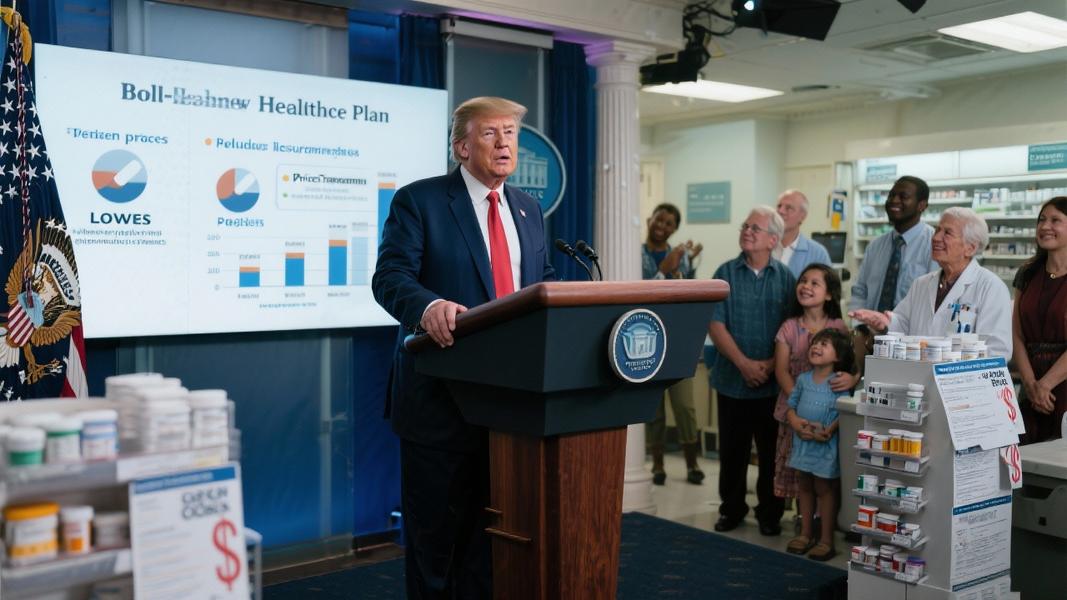
Trump’s healthcare reforms face rocky debut as millions brace for premium hikes in early 2026, with the administration’s patchwork of voluntary deals and transparency initiatives showing mixed results amid mounting cost pressures.
The administration’s signature healthcare approach—individual deals with pharmaceutical giants—has taken center stage as President Trump pursues targeted negotiations rather than sweeping legislative reform. “Trump also made deals with Eli Lilly and Novo Nordisk to cut GLP-1 prices voluntarily for some patients and to sell the drugs to others on TrumpRx,” according to a Kaiser Family Foundation analysis highlighting the administration’s Most-Favored-Nation policy targets for drug pricing.
ACA Subsidy Cliff Looms Large
Meanwhile, more than 20 million Americans are facing substantially higher healthcare costs. Senate Finance Committee documents reveal that “Because of Republicans’ inaction, ACA enhanced premium tax credits end, more than 20 million Americans will pay $700 more on average in annual premiums than they did in 2025.” This expiration, taking effect in January 2026, threatens to undermine affordability gains made in recent years.
Small businesses appear to be among the hardest hit. Reports from Arizona indicate some business owners are seeing their health insurance premiums nearly double as 2026 begins—a crushing blow for enterprises already navigating economic uncertainties.
Can voluntary price agreements actually deliver meaningful relief? Many experts aren’t convinced. Politico reports widespread skepticism among analysts about whether such voluntary arrangements with insurance companies will produce significant or lasting savings for consumers.
New Transparency Rules and Rural Investments
The administration has made transparency a cornerstone of its healthcare agenda. “Americans have a right to know what health care costs before they pay for it,” said Health and Human Services Secretary Robert F. Kennedy, Jr., according to a CMS statement outlining proposed updates to healthcare price transparency requirements.
In a significant move for underserved areas, the White House has unveiled a $50 billion rural health transformation program. The initiative, funded through the Working Families Tax Cuts legislation, distributes between $185 million and $230 million to each state—a massive investment in often-neglected healthcare infrastructure.
There’s good news for consumers looking to manage healthcare costs, too. Starting this year, “all Bronze and Catastrophic health plans— now work with Health Savings Accounts to help you pay your share of costs for health care,” according to Healthcare.gov guidance. This expansion of HSA-eligible plans provides additional flexibility for enrollees seeking to set aside tax-advantaged funds for medical expenses.
Political Battleground Ahead
That said, the healthcare landscape has become increasingly politicized. With the 2026 midterm elections on the horizon, STAT News observes that healthcare policy has moved to the center of both parties’ strategies. Republicans defend their market-based approaches while Democrats hammer on issues like Medicaid cuts and the expiring ACA subsidies.
The question now facing millions of Americans: Will the administration’s piecemeal approach deliver the comprehensive relief promised, or will rising costs continue to outpace policy fixes? For those opening their insurance bills in January 2026, the answer may already be painfully clear.
