
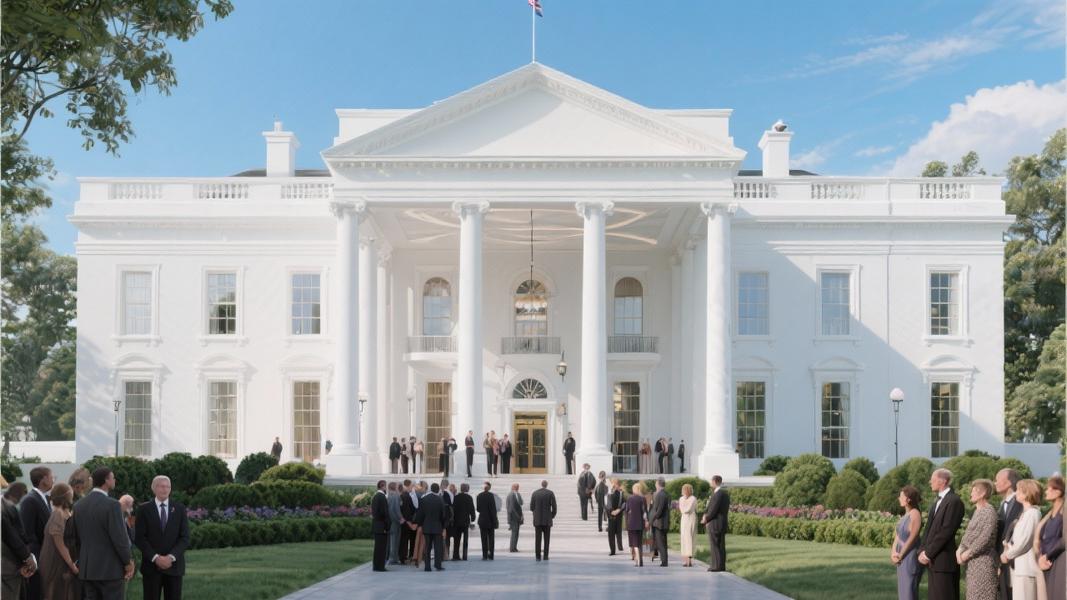
President Trump’s long-promised White House Ballroom has officially broken ground, with construction beginning in September 2025 on what will become one of the most significant additions to the executive mansion in decades. The ambitious project, primarily focused on modernizing the East Wing, comes with a hefty price tag between $200-250 million — all funded through private donations rather than taxpayer dollars.
“President Trump is a builder at heart and has an extraordinary eye for detail,” the White House stated in its official announcement. “The President and the Trump White House are fully committed to working with the appropriate organizations to preserving the special history of the White House while building a beautiful ballroom that can be enjoyed by future Administrations and generations of Americans to come.”
Private Funding for a Public Legacy
The ballroom’s construction, awarded to Clark Construction with a contract worth approximately $200 million, represents a significant investment in the presidential complex. While initial estimates placed the cost around $200 million, more recent figures suggest the final price tag could reach $250 million as the project progresses.
Trump himself has emphasized the private nature of the funding. “The project is being privately funded by many generous Patriots, Great American Companies, and, yours truly,” the president explained in a statement that also noted the project would not be affected by ongoing federal budget negotiations.
What exactly will this massive construction effort entail? For starters, portions of the East Wing are being demolished to make way for the new facility. “Completely separate from the White House itself, the East Wing is being fully modernized as part of this process, and will be more beautiful than ever when it is complete,” Trump added.
Historical Precedent
While some preservationists have expressed concern about alterations to the historic complex, the White House has been quick to point out that presidential renovations are nothing new. “For more than a century, U.S. Presidents have been renovating, expanding, and modernizing the White House to meet the needs of the present day,” notes an official White House article on the project’s historical context.
Among the notable precedents cited is President John F. Kennedy’s construction of the modern Rose Garden in 1962, which dramatically reshaped the White House grounds. Presidential renovations have often reflected the personal priorities and vision of each administration, from Truman’s comprehensive structural overhaul to Obama’s installation of solar panels.
Is this just another presidential pet project? Not according to the administration, which frames the ballroom as addressing a practical need for increased event capacity. The Society of Architectural Historians has acknowledged that the addition will increase the White House’s ability to host events, though the organization has also raised questions about the preservation of historical elements.
Timeline and Expectations
Construction is expected to continue well into 2026, though the administration has expressed confidence that the ballroom will be completed before the end of Trump’s term. The timing suggests the president hopes to host at least a few signature events in the space before leaving office.
The project represents the rare Trump initiative that will likely outlast his presidency regardless of the 2028 election outcome. Whether future administrations will embrace or distance themselves from what will undoubtedly be called “Trump’s Ballroom” remains to be seen — but the physical structure itself will remain a lasting part of the White House complex for generations to come.
