
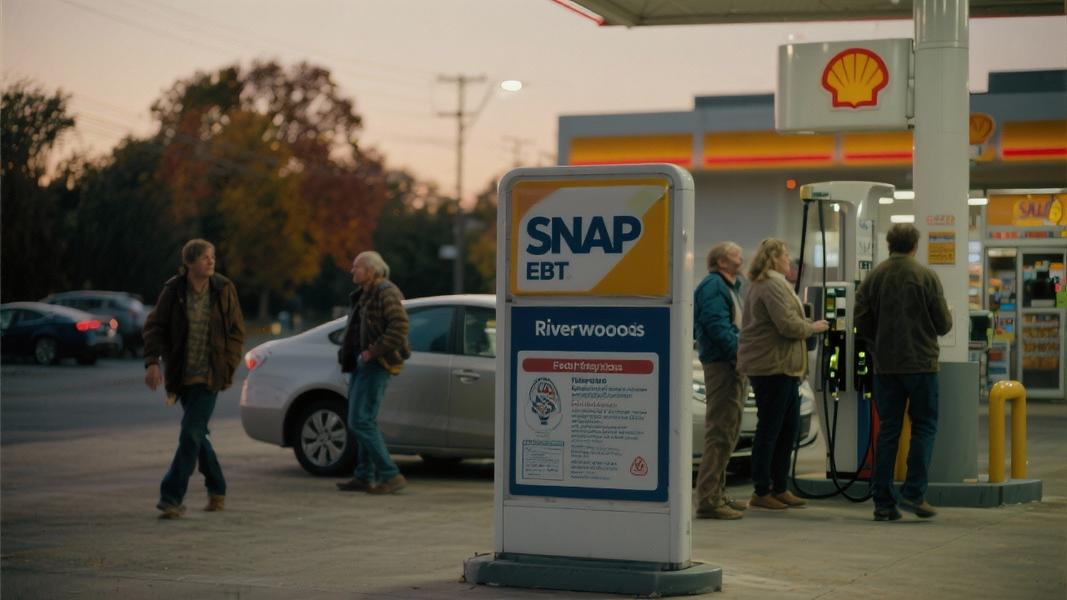
The Trump administration has issued a sweeping executive order demanding “unfettered access” to data from all state programs receiving federal funding, setting up a showdown with nearly half the states in the country over privacy concerns and federal overreach.
President Trump signed Executive Order 14243 on March 20, 2025, requiring federal agencies to obtain comprehensive data from state-administered programs, including information stored in third-party databases. The order specifically directs agencies to “take all necessary steps, to the maximum extent consistent with law, to ensure the Federal Government has unfettered access to comprehensive data from all state programs that receive federal funding.”
Battle Lines Drawn
The administration has framed the initiative as a critical effort to combat waste and fraud, particularly in the Supplemental Nutrition Assistance Program (SNAP), which serves approximately 42 million lower-income Americans at a cost of about $100 billion annually. The average recipient receives roughly $190 per month — about $6 per day.
Twenty-eight states and Guam — primarily Republican-governed jurisdictions, with Democratic-led North Carolina being a notable exception — have already complied with the data request. But twenty-two predominantly Democratic states have filed lawsuits challenging the order’s legality.
“We have sent Democrat States yet another request for data, and if they fail to comply, they will be provided with formal warning that USDA will pull their administrative funds,” the administration stated in announcing the deadline extension to December 8, 2025.
Claims of Widespread Fraud
What’s driving this unprecedented data collection effort? Agriculture Secretary Brooke Rollins has cited preliminary findings from compliant states suggesting that 186,000 deceased individuals are receiving SNAP benefits and 500,000 people are receiving benefits more than once.
The administration has threatened to withhold administrative funding — not the benefits themselves — from non-compliant states after the December deadline. A San Francisco-based federal judge had temporarily blocked the administration from collecting information from the litigant states, but that order has since expired.
Legal experts, however, question the administration’s authority to impose such penalties. “There’s no authority to withhold the SNAP benefits and, in this case, there’s also no authority to withhold the administrative funding,” said David Super, a Georgetown University law professor specializing in administrative and poverty law.
Privacy Concerns Mount
The order’s language requiring “unfettered access” to data has raised significant privacy alarms. Critics point to the sweeping nature of the directive, which extends beyond direct program data to information “maintained in third-party databases.”
Is this about efficiency or surveillance? That’s the question many state officials are asking. The executive order claims the data collection is necessary to eliminate “bureaucratic duplication and inefficiency” and enhance the government’s ability to detect overpayments and fraud. But opponents see it as an unprecedented federal intrusion into state-administered programs.
Federal law does permit the USDA to withhold certain administrative funds from states that fail to comply with federal regulations. The administration is leaning on this authority in its push for compliance, citing provisions under 7 USC 2020(a)(3) and 7 CFR 272.1(c)(1) that require state cooperation.
As the December deadline approaches, the standoff highlights deeper tensions between federal authority and state autonomy — and raises fundamental questions about data privacy in an age when information has become the most valuable currency of all.
