
In a dramatic overnight operation, the United States military launched a series of airstrikes across northern Venezuela on January 3, 2026, resulting in the capture of President Nicolás Maduro and sending shockwaves through the region. The 30-minute assault, codenamed Operation Absolute Resolve, targeted multiple locations including the capital city of Caracas, where smoke was seen rising from military installations.
President Trump authorized the operation around 11 p.m. ET on January 2, following months of military planning and preparation. The precision strikes left a Caracas military base without power and resulted in the apprehension of both Maduro and his wife, Cilia Flores, who were quickly transported to New York to face drug and weapons charges.
Regional Disruption
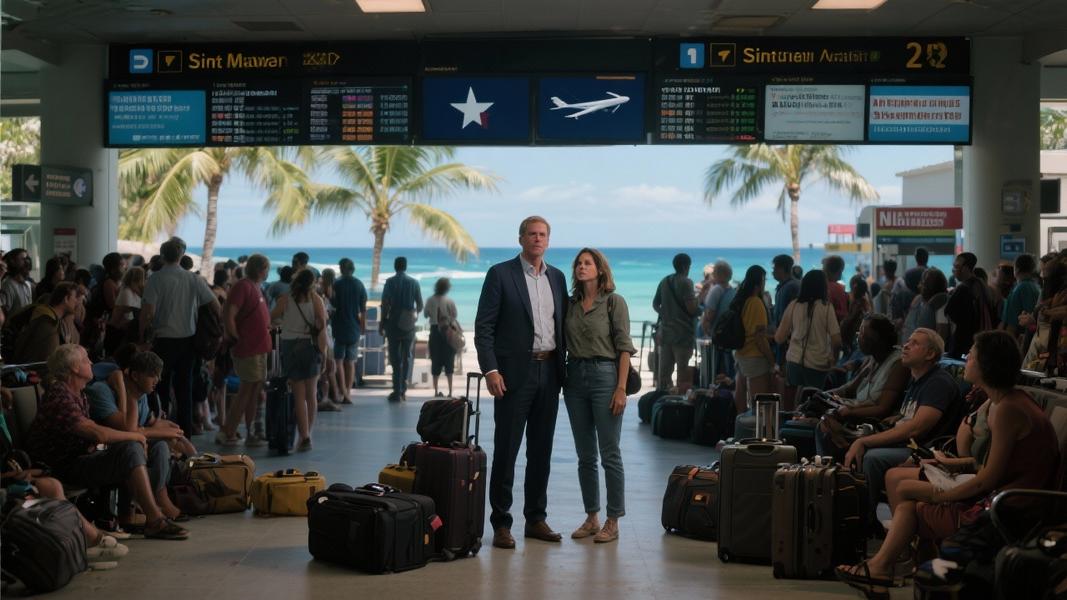
The sudden military action created immediate ripple effects throughout the Caribbean. Texas State Representative Venton Jones was among many travelers stranded when flights across the region were grounded in the operation’s aftermath. “I wanted to let you all know that Gregory and I are ok,” Jones stated on social media. “We were supposed to leave St. Maarten today, but due to the air strike that the President ordered overnight, all travel to/from the Caribbean is grounded.”
What comes next for Venezuela? In remarks following the operation, President Trump indicated that the United States would take control of Venezuela’s operations, with particular emphasis on its valuable oil industry. “We’re going to run Venezuela,” Trump declared, suggesting a period of direct American oversight over the South American nation’s resources and governance.
The strikes, which lasted just half an hour, represent one of the most direct American military interventions in South America in decades. Military analysts note that the operation’s brevity and apparent success suggest extensive intelligence gathering and operational planning preceded the assault.
Still, questions remain about the international legality of such an operation and potential blowback from Venezuela’s allies, including Russia, China, and Cuba. The United Nations Security Council is expected to convene an emergency session in response.
For stranded travelers and Venezuelan expatriates, the immediate future remains uncertain. Communication channels with Venezuela have been intermittent since the strikes, and many airlines have canceled flights to neighboring countries as a precautionary measure.
With Maduro now in U.S. custody facing serious charges, Venezuela stands at a crossroads — its political future uncertain and its vast oil reserves potentially under new management. The coming days will likely determine whether Operation Absolute Resolve marks the beginning of a new chapter for Venezuela or another complicated entanglement for American foreign policy in Latin America.
